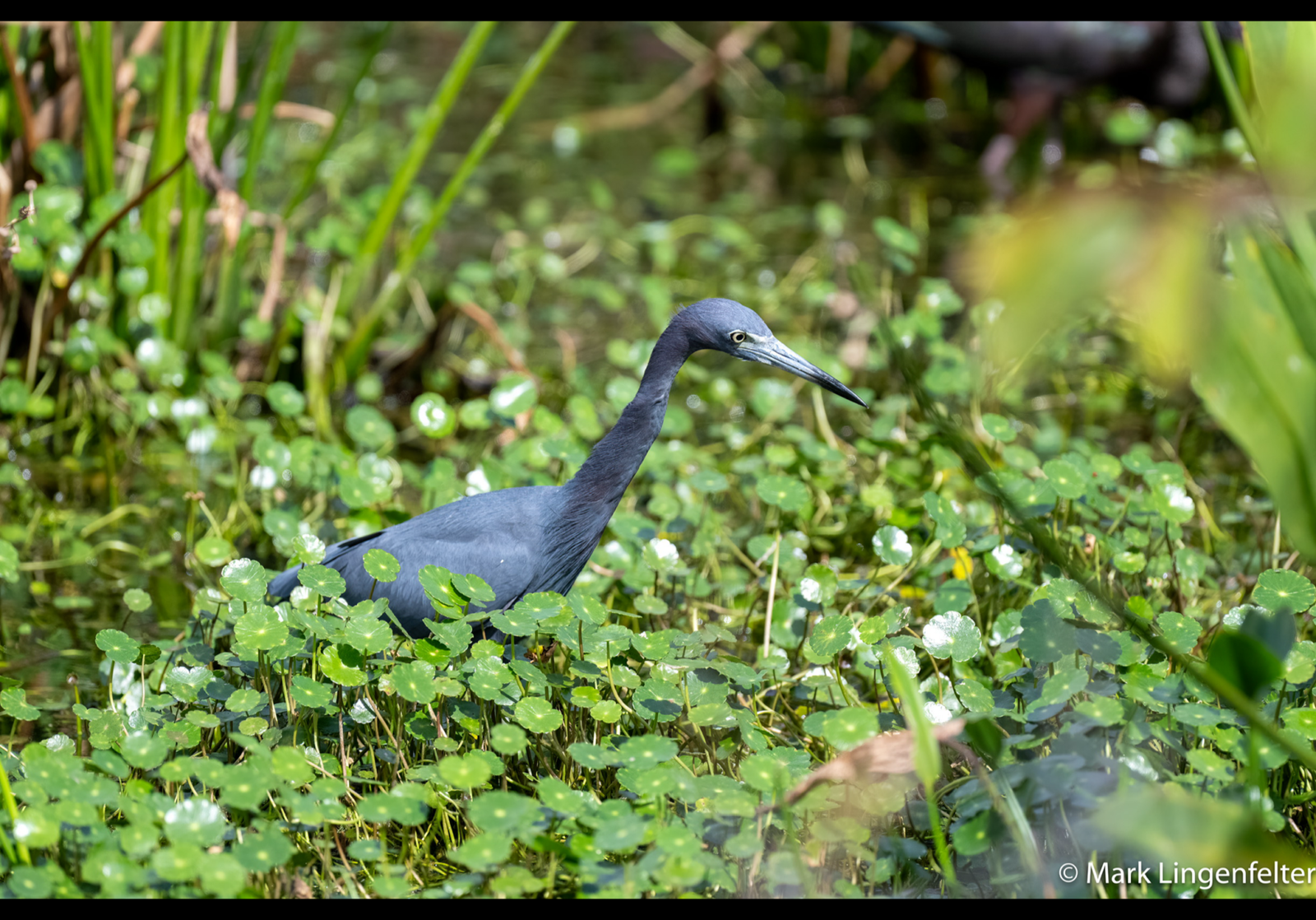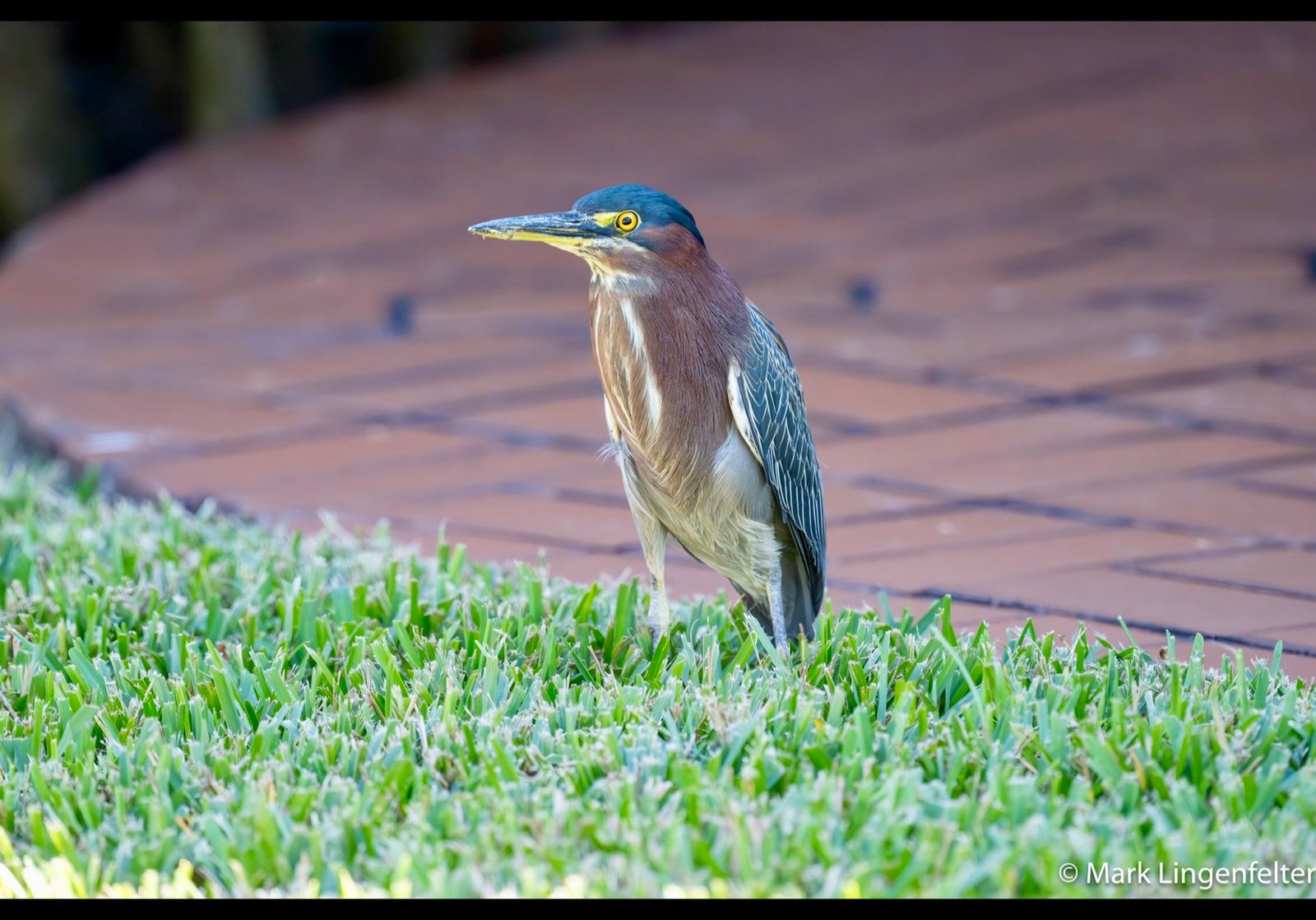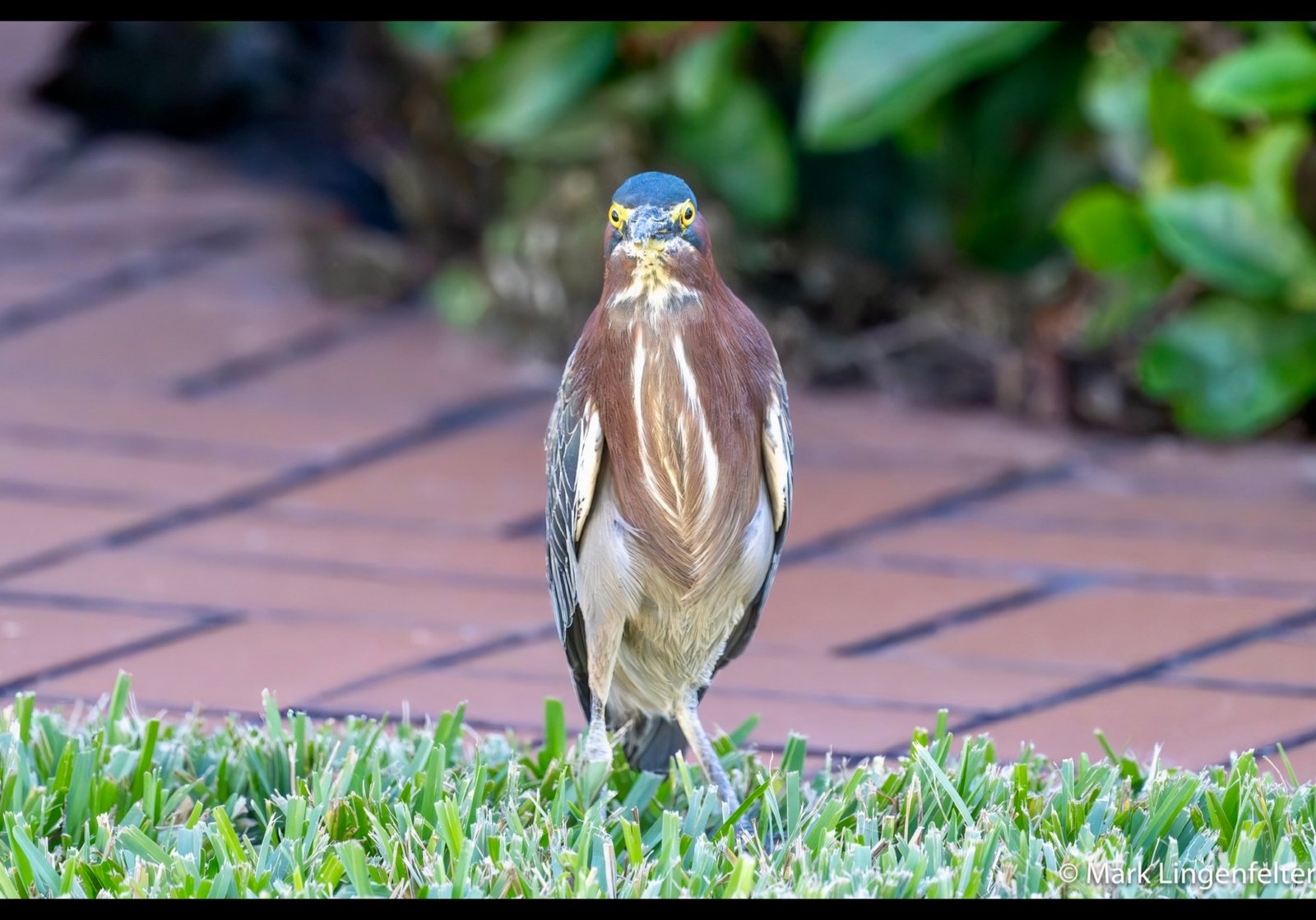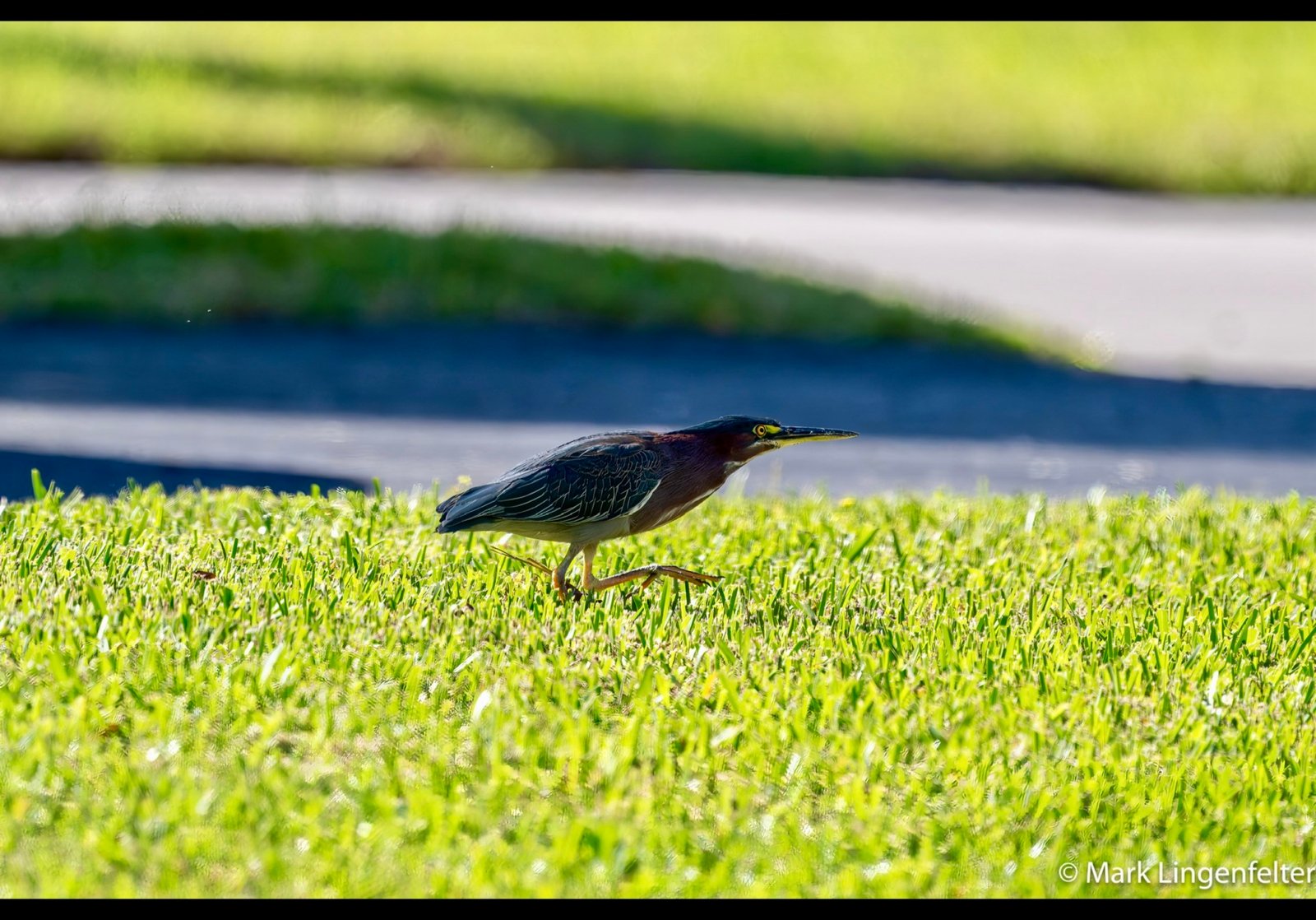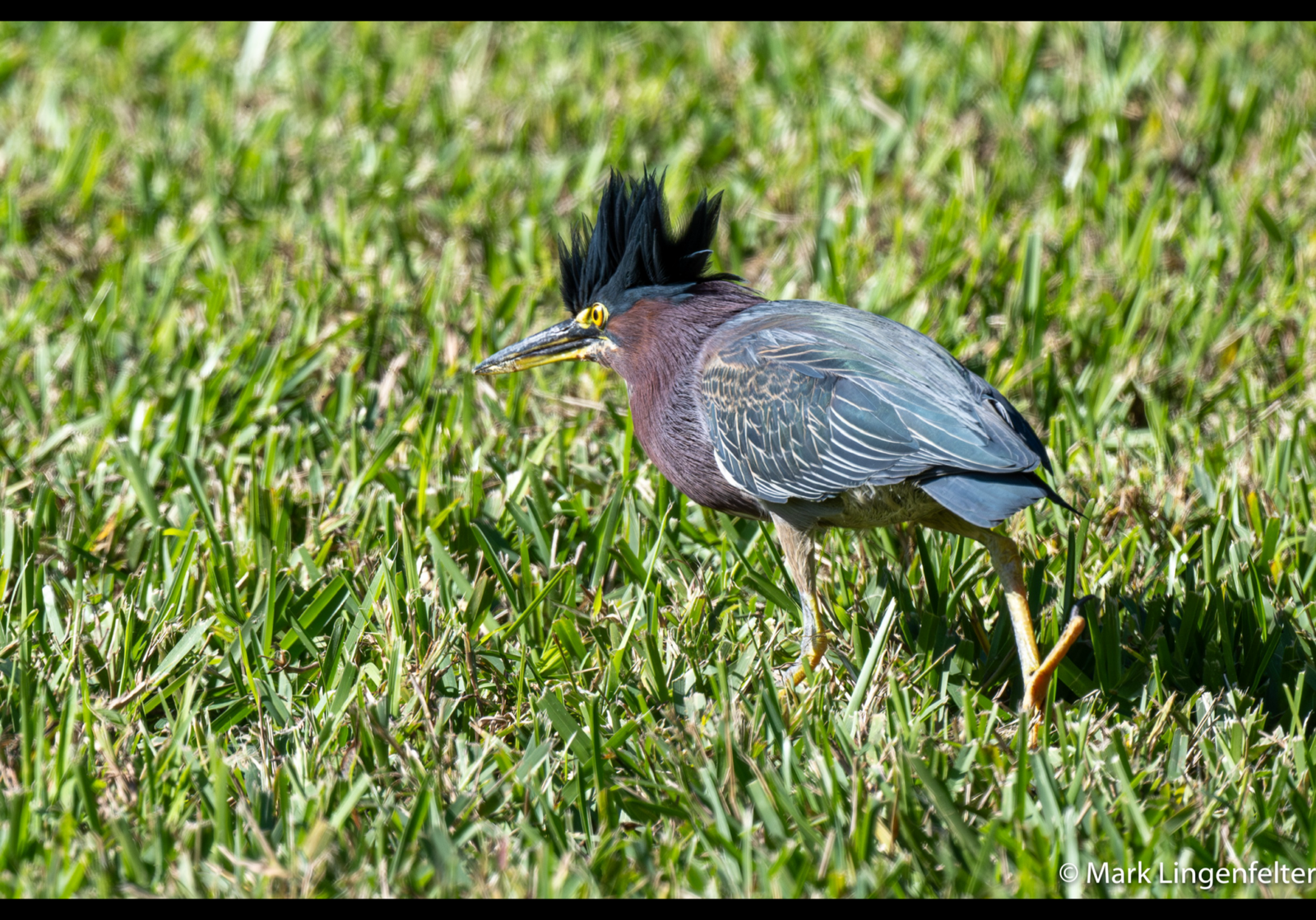
Wildlife at Wakodahatchee Wetlands in Florida January 2024

Just a few images from our visit. Regarding the Anhinga:

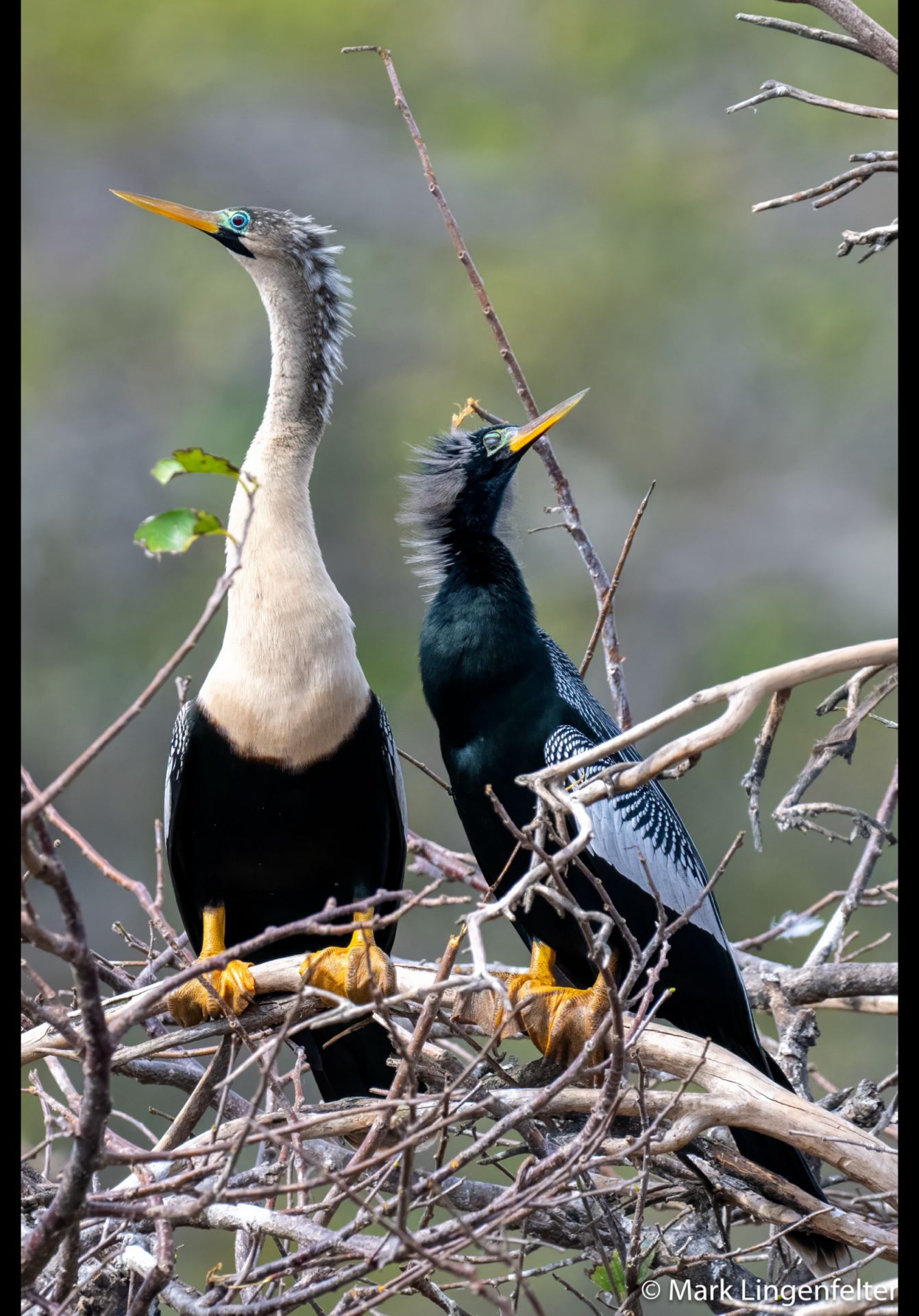
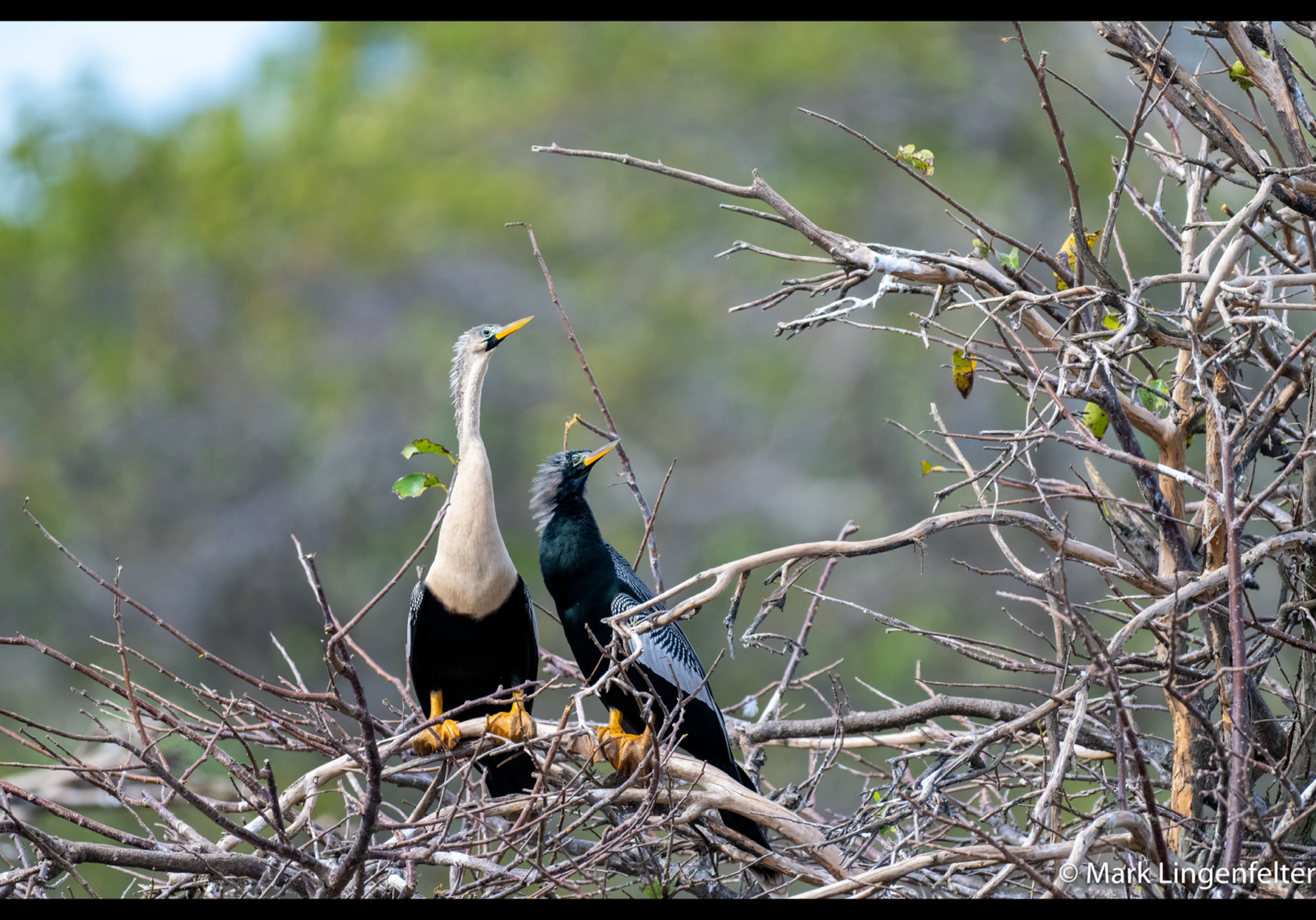
Anhinga pair in breeding plumage in Florida. Female on the left and male on the right (darker). The anhinga (Anhinga anhinga), sometimes called snakebird, darter, American darter, or water turkey, is a water bird of the warmer parts of the Americas. The origin of the name is apparent when swimming: only the neck appears above water, so the bird looks like a snake ready to strike. They do not have external nares (nostrils) and breathe solely through their epiglottis. This bird is often mistaken for the double-crested cormorant due to its similar size and shape, although the two species can be differentiated by their tails and bills.
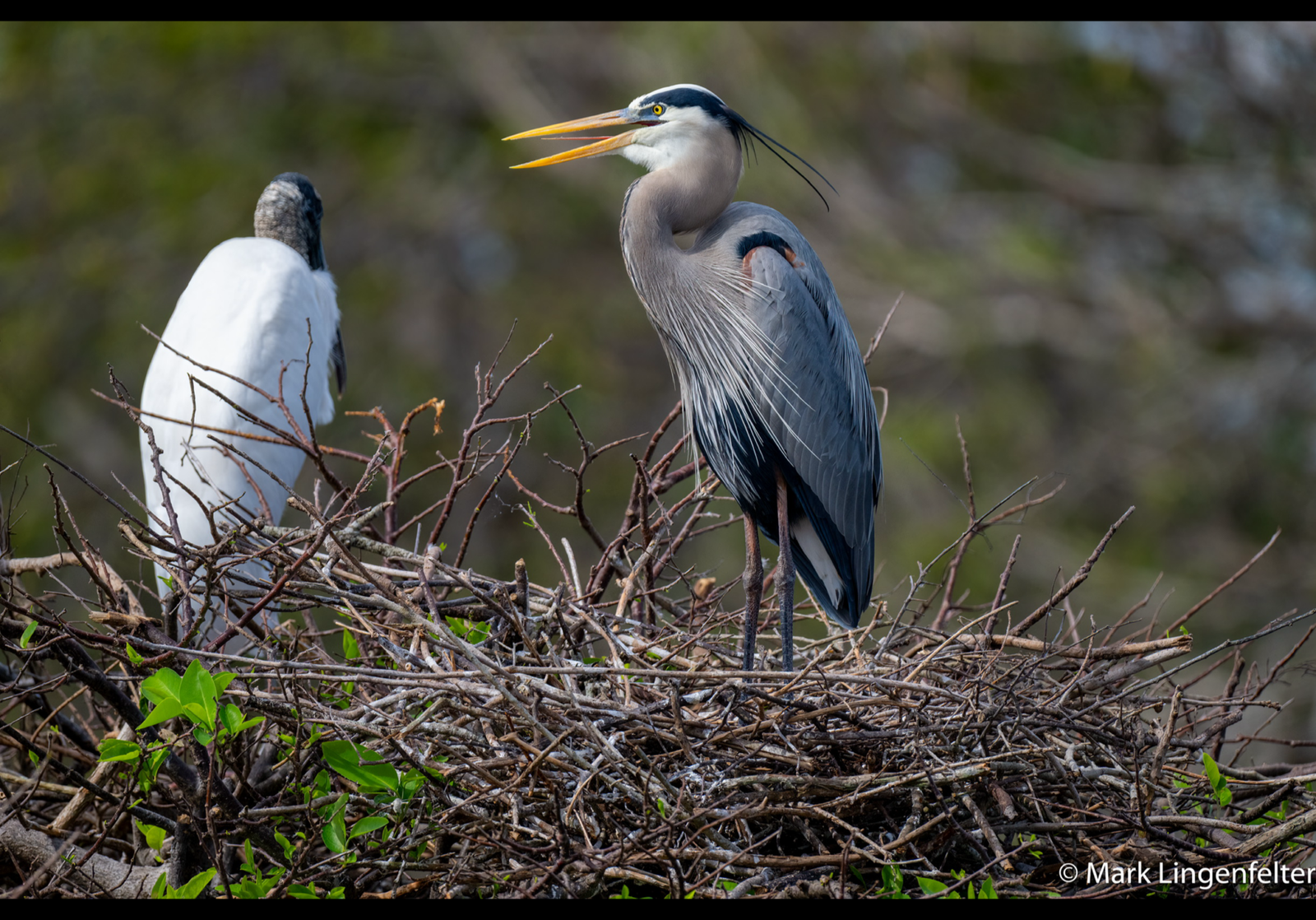
The Paths at Arthur R. Marshall Loxahatchee National Wildlife Refuge Florida

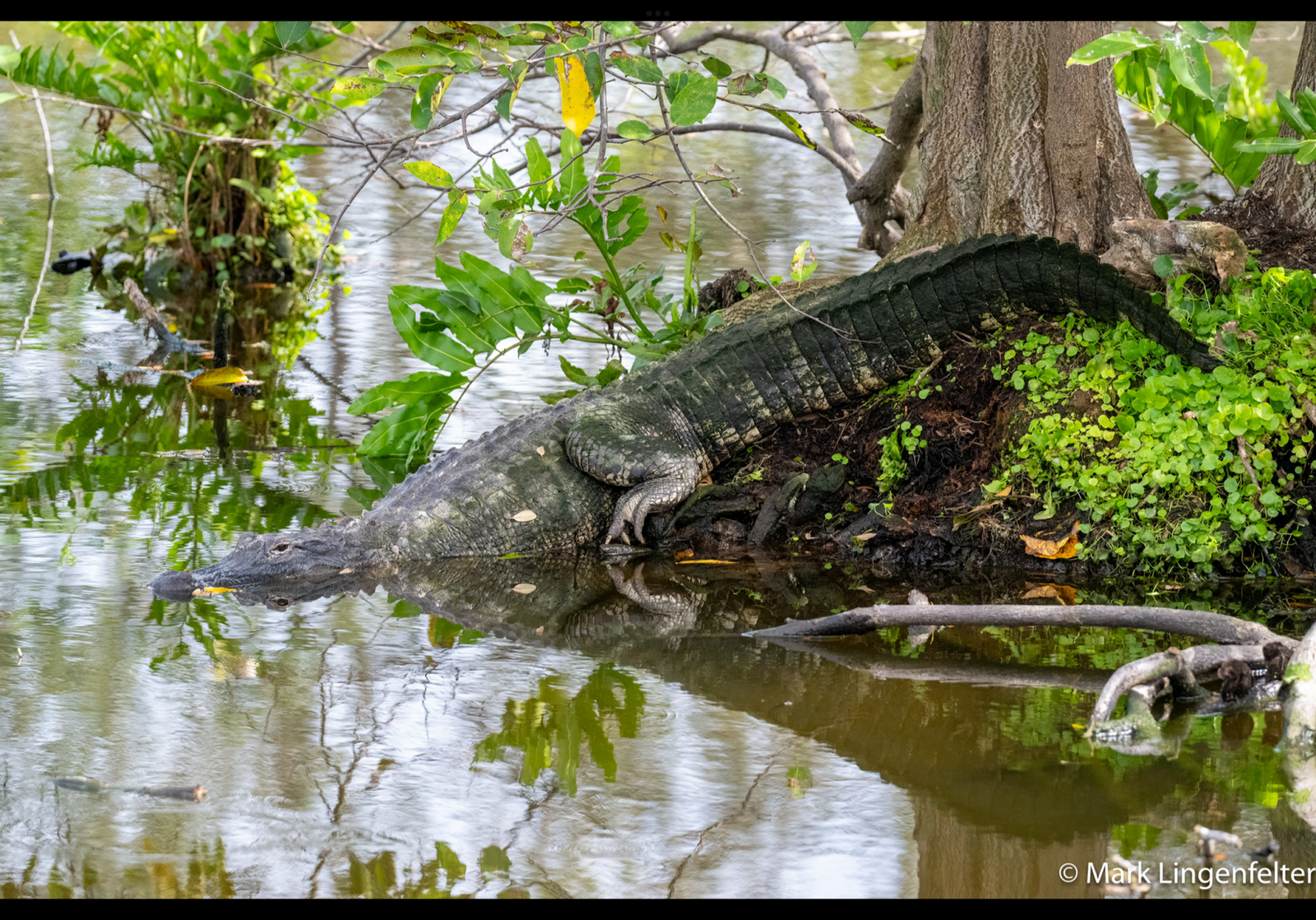
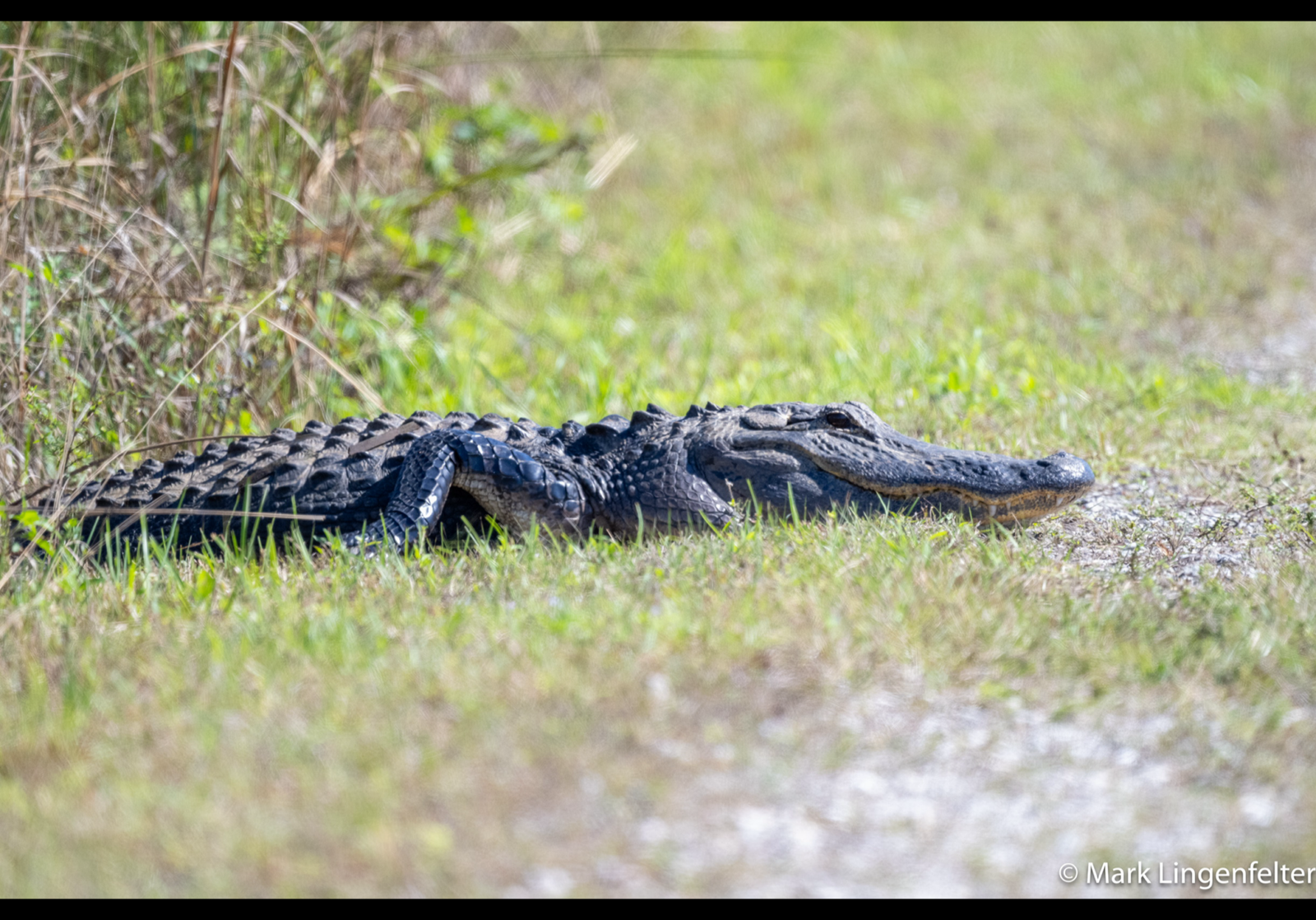
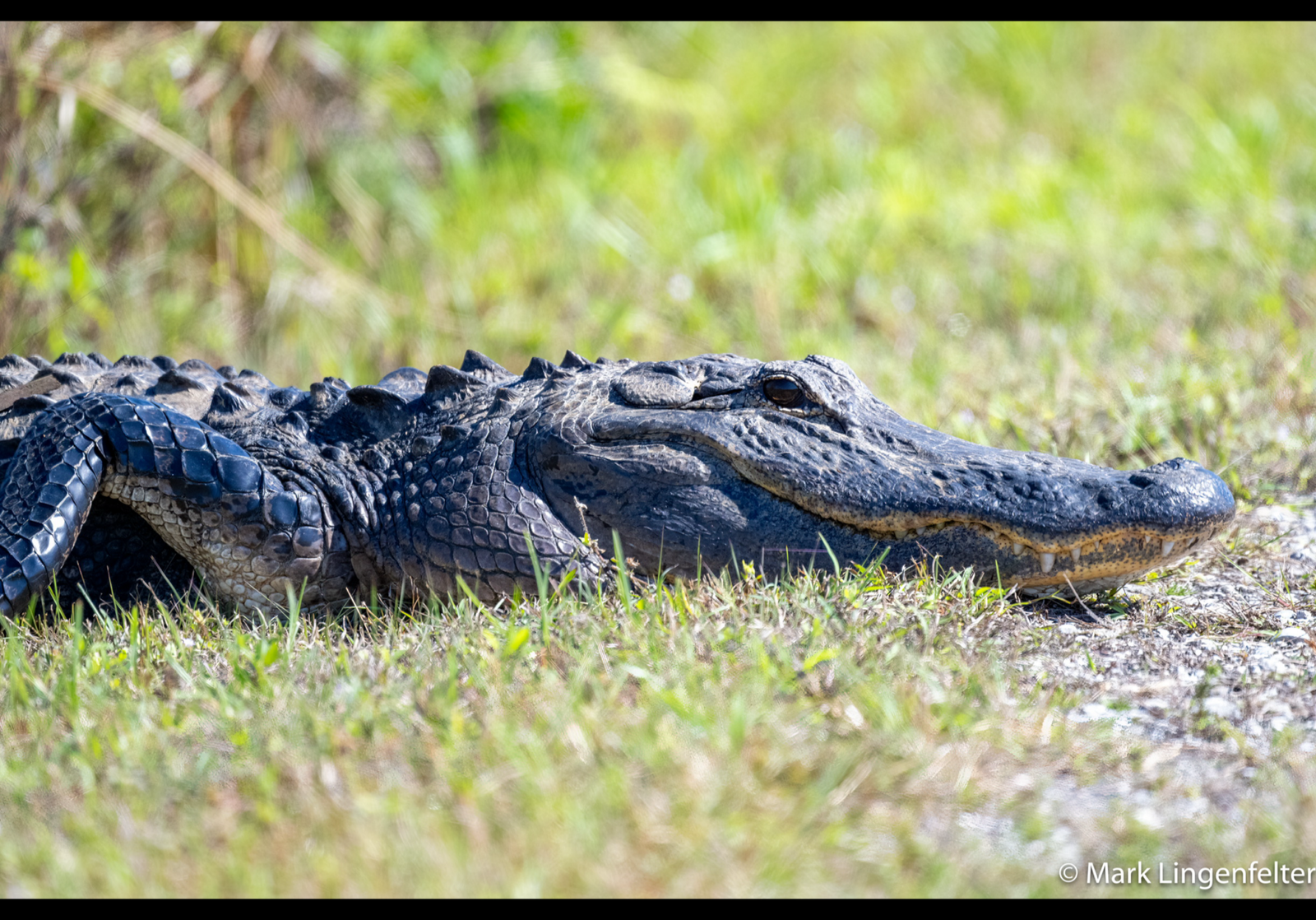
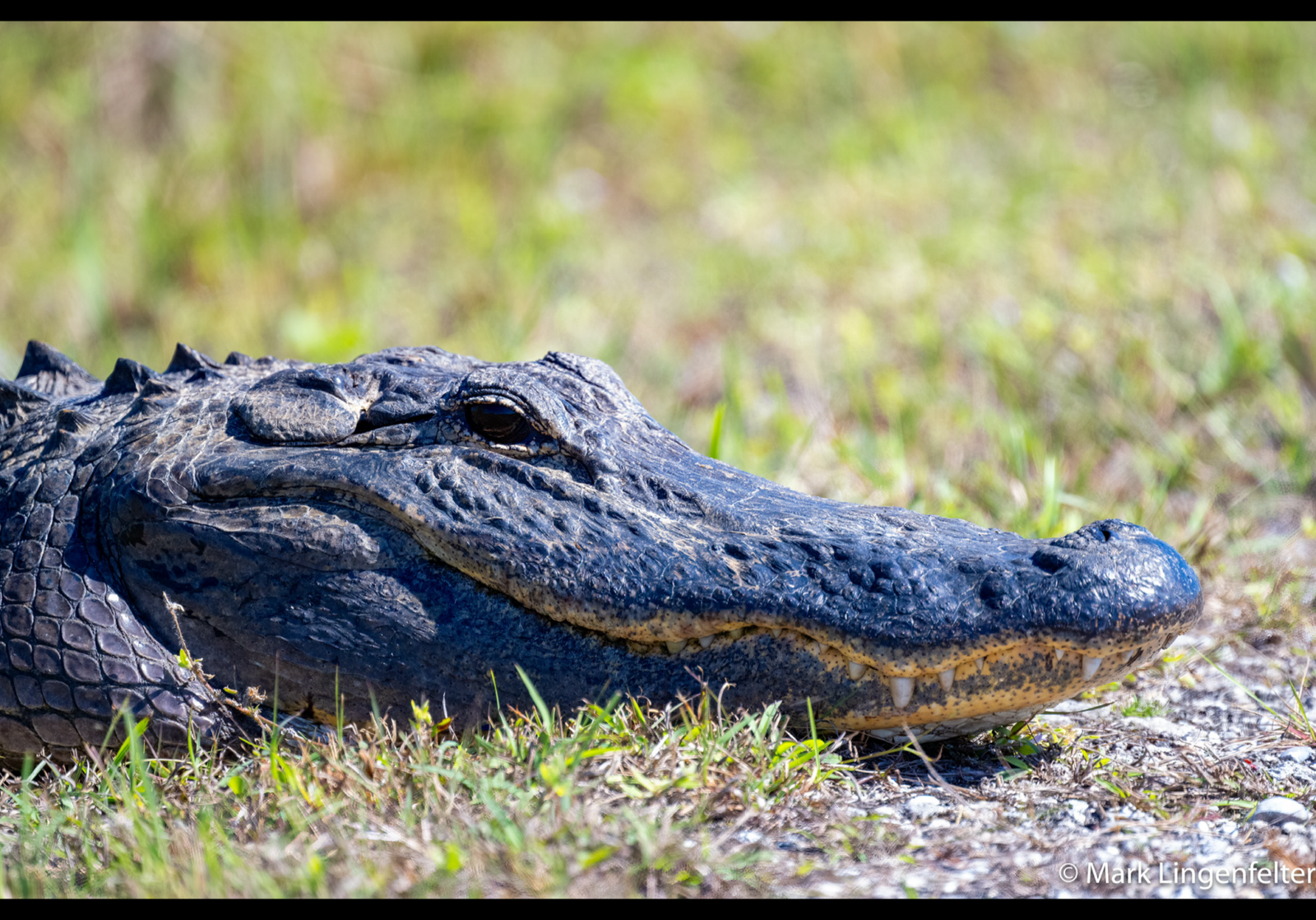
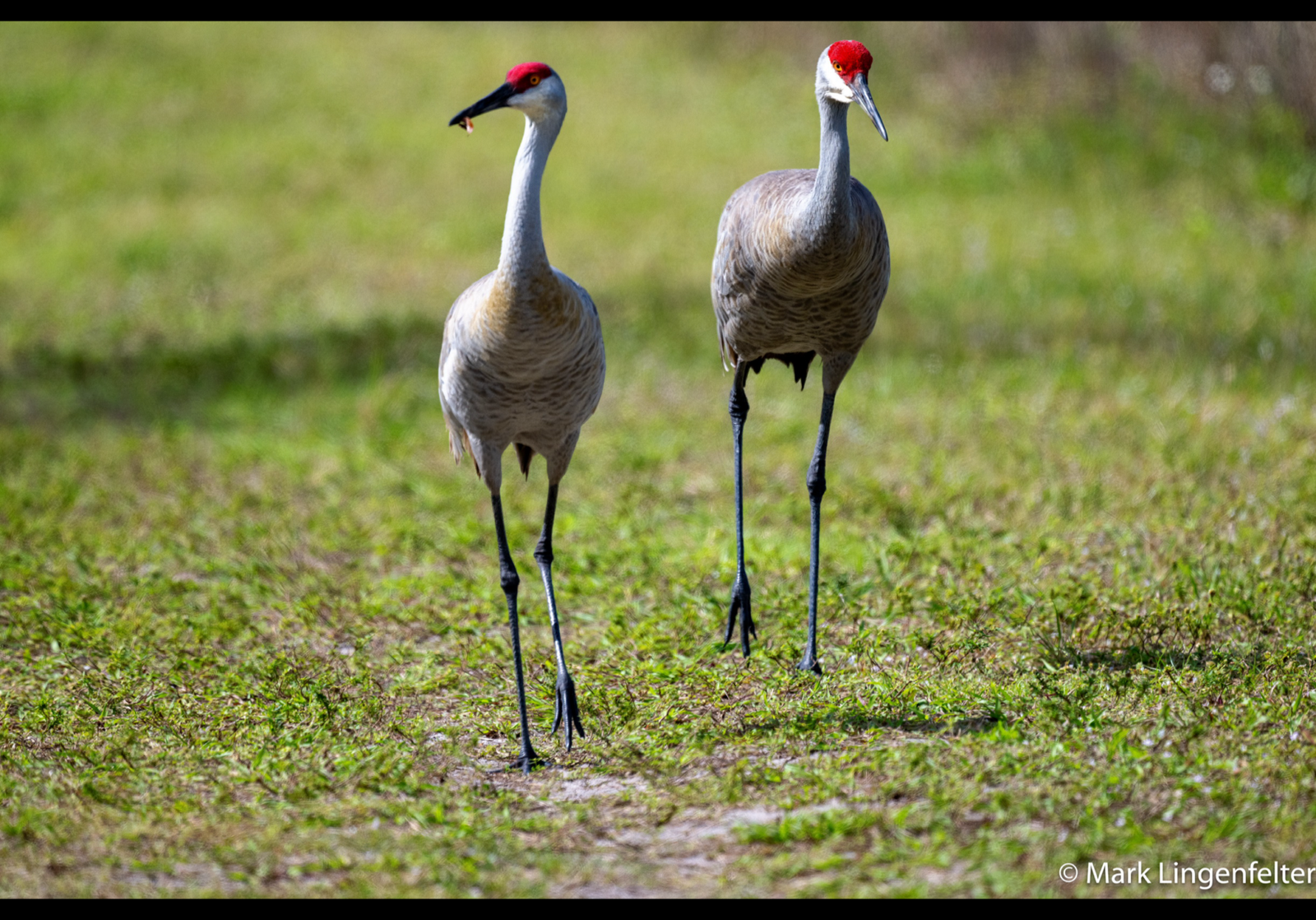
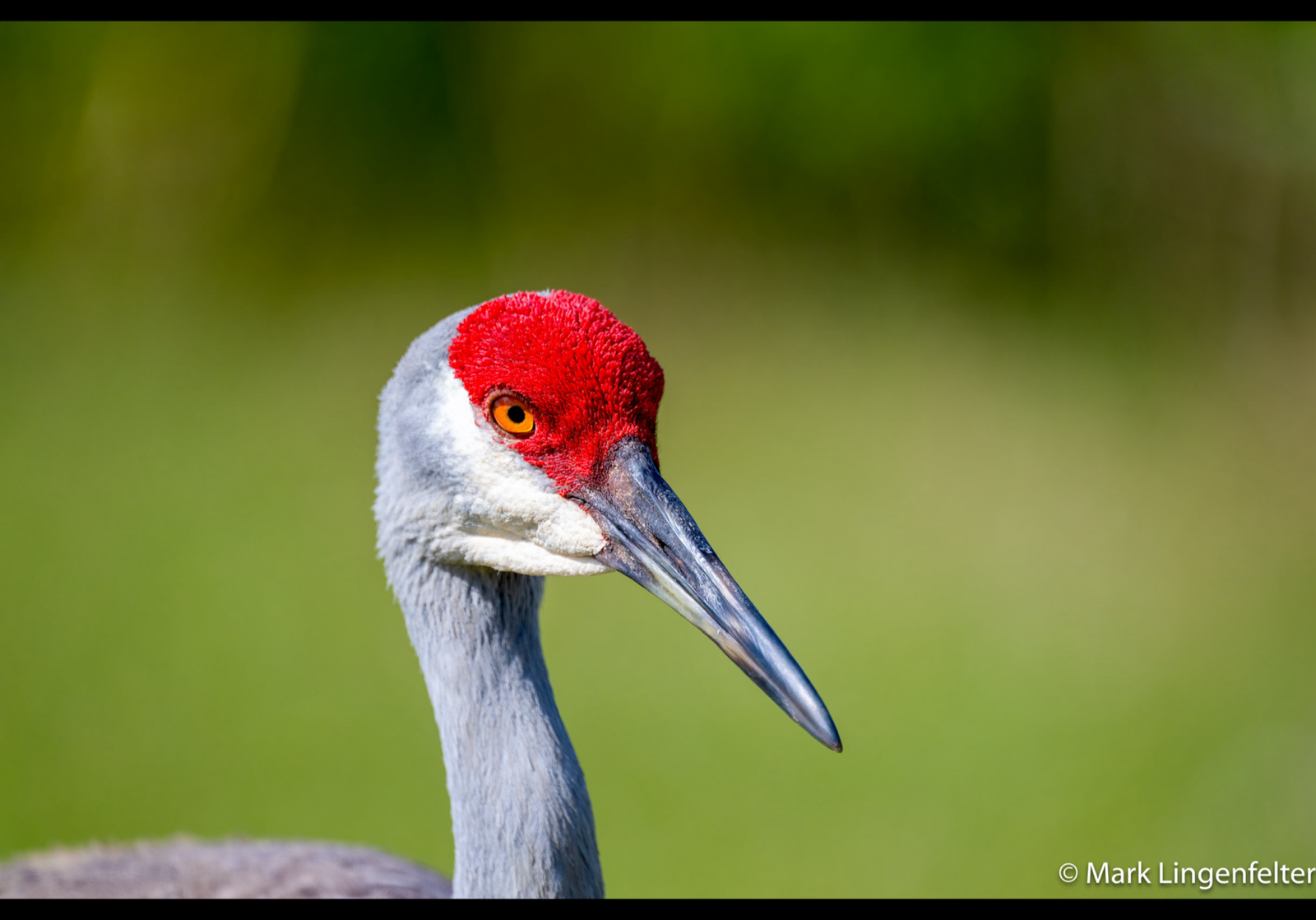
Never know what you might run into here. First an alligator didn’t allow passage…hissing when someone wanted to get by and out for some sunshine and warmth. Next a pair of Sandhill Cranes who walked in tandem rather slowly, allowing us to pass them on the right side. They weren’t bothered at all by our presence.

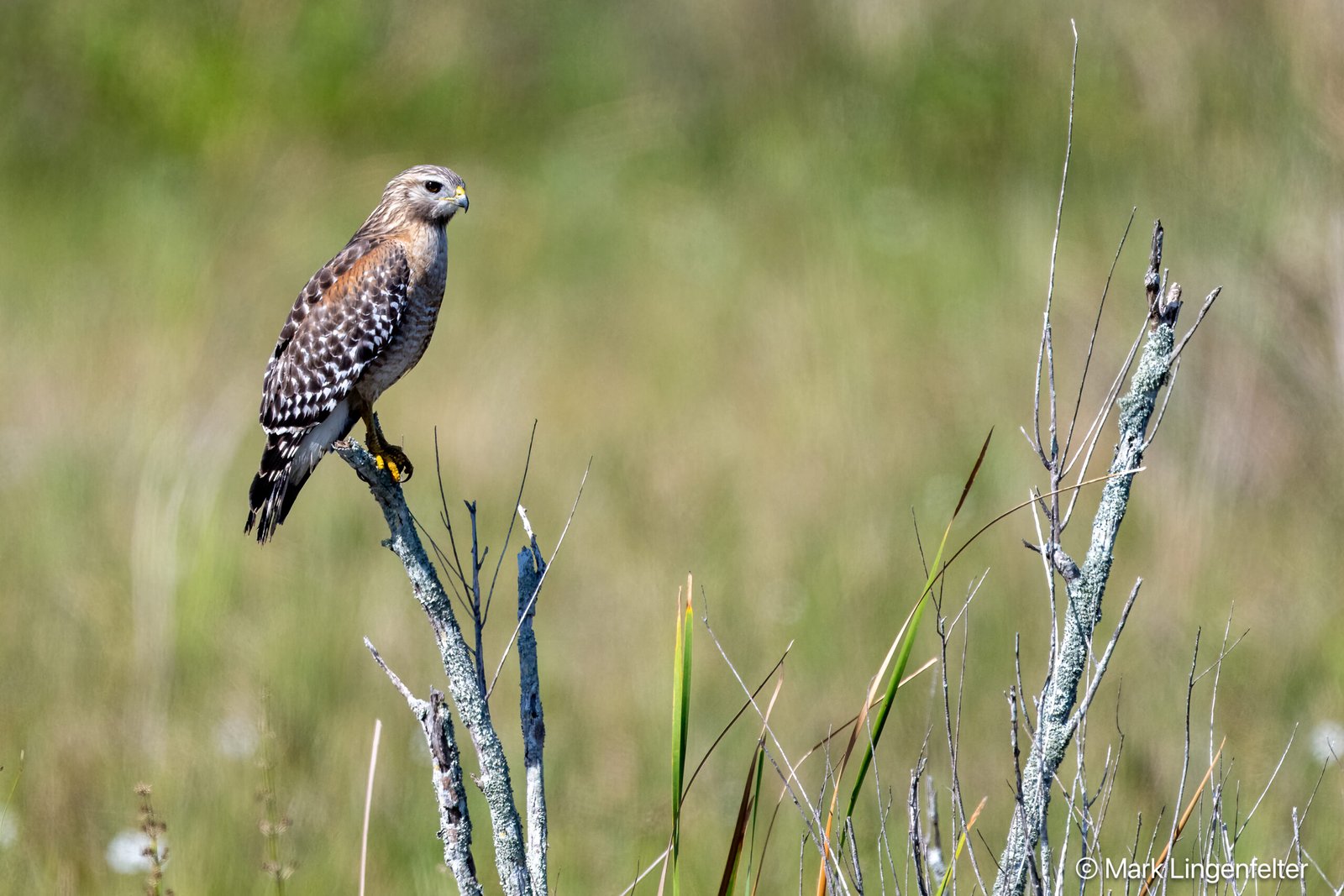
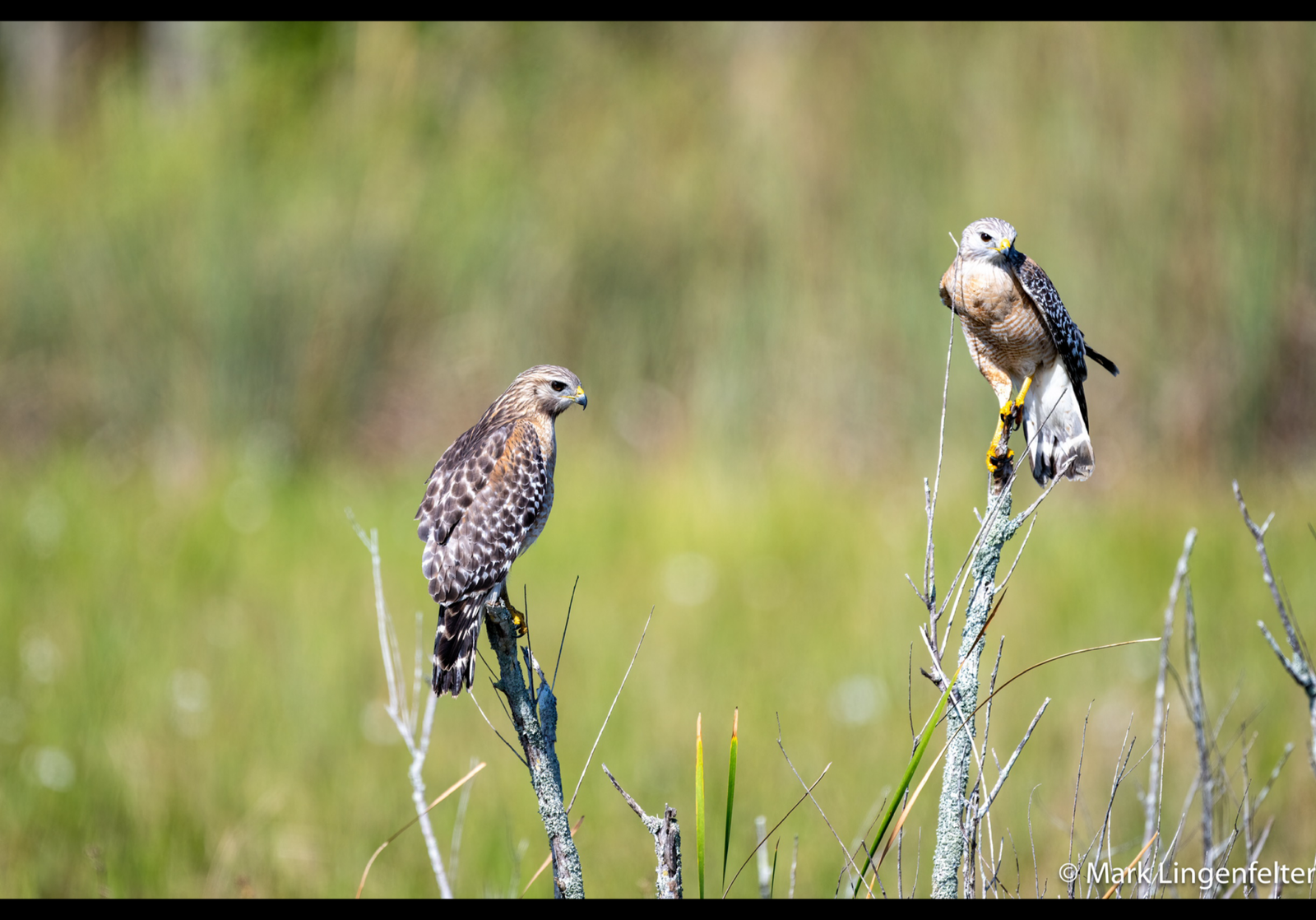
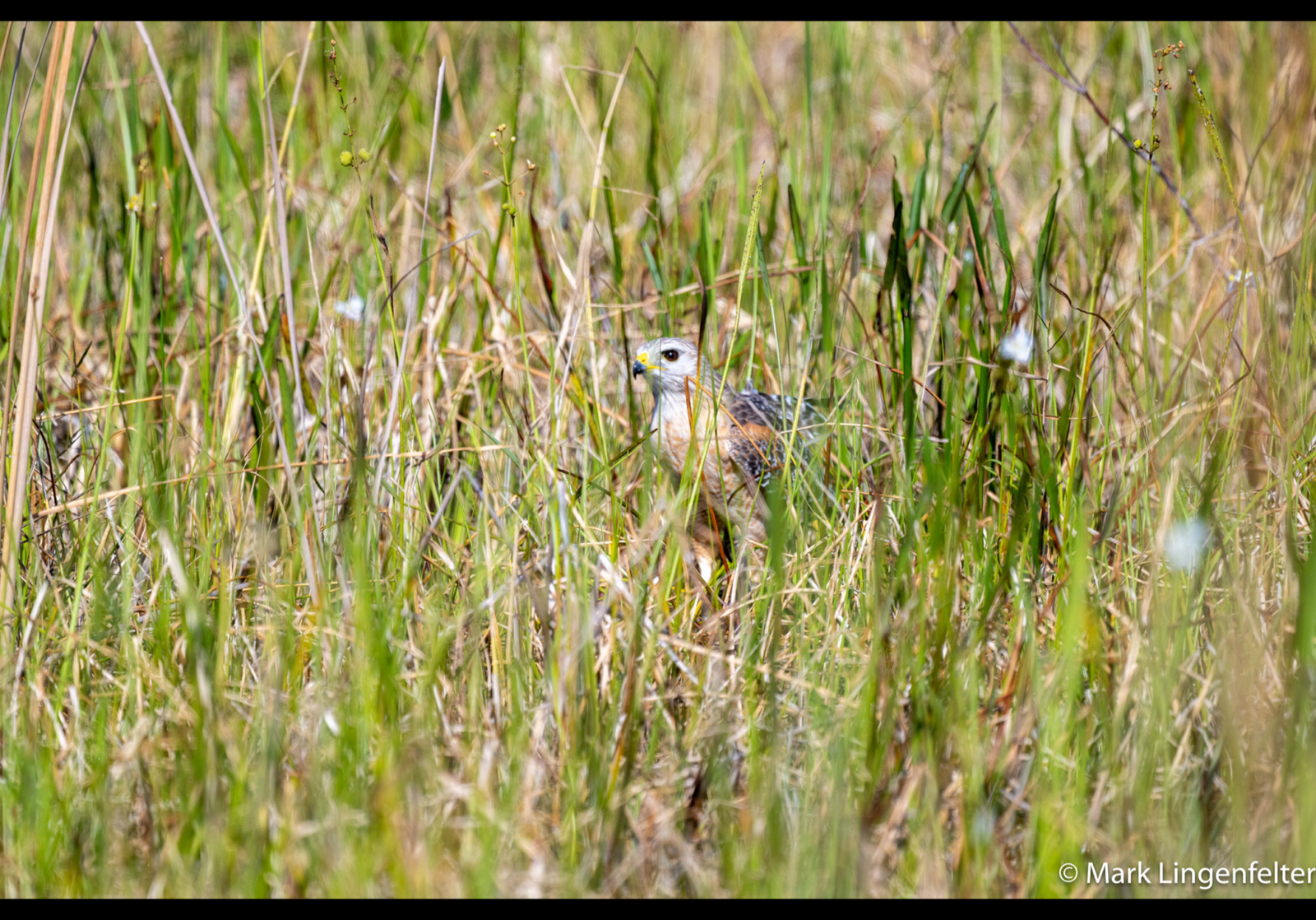
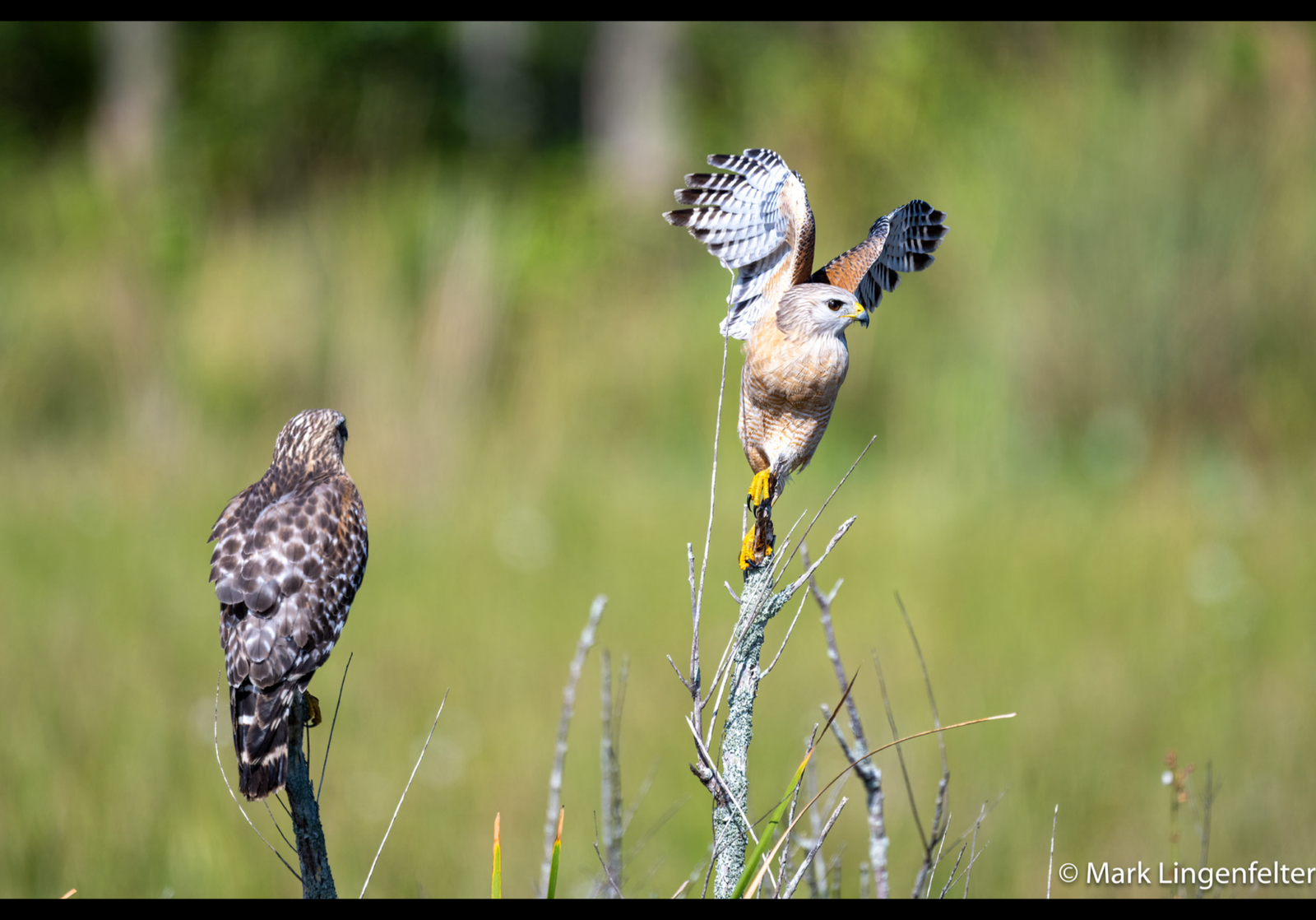
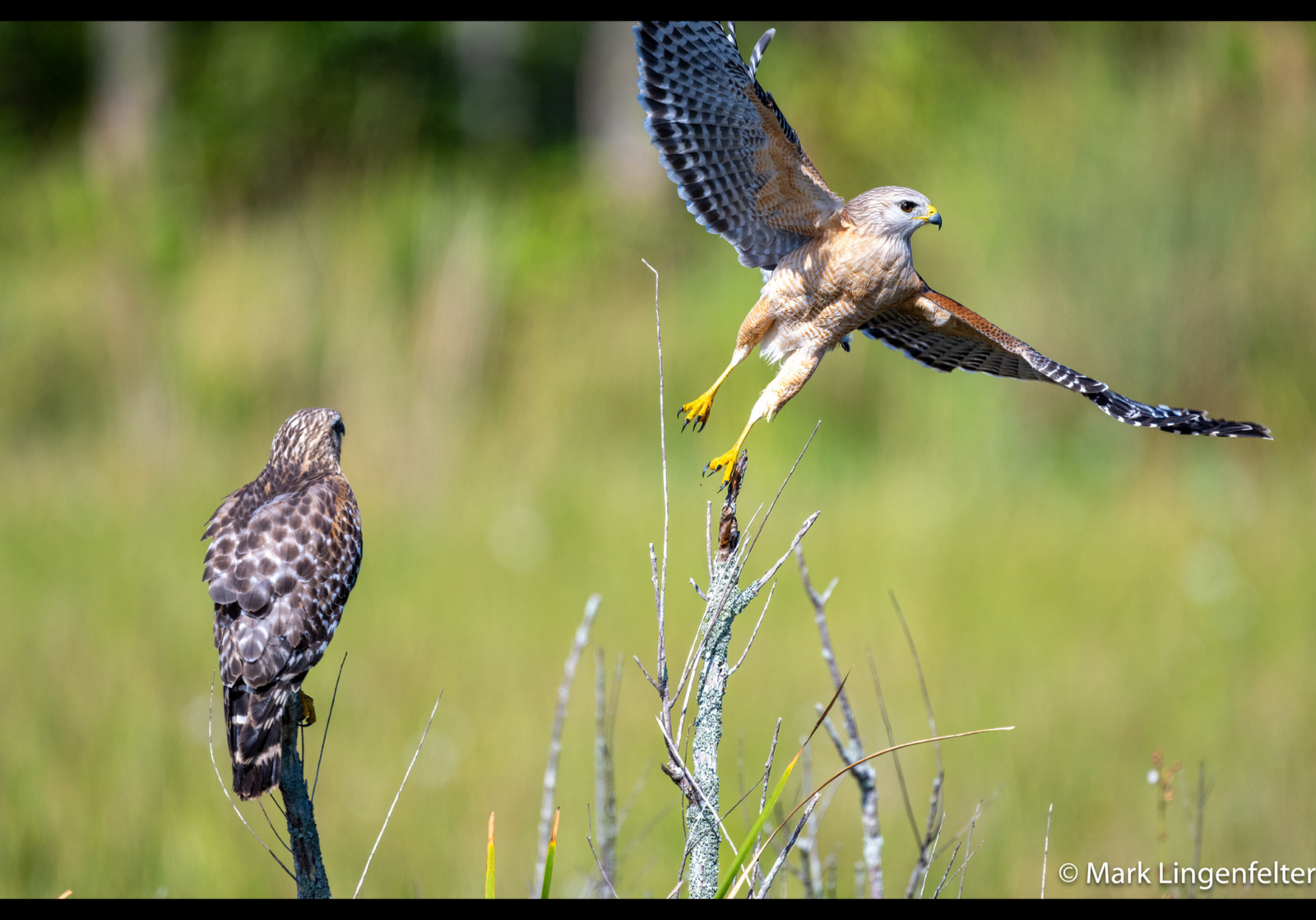
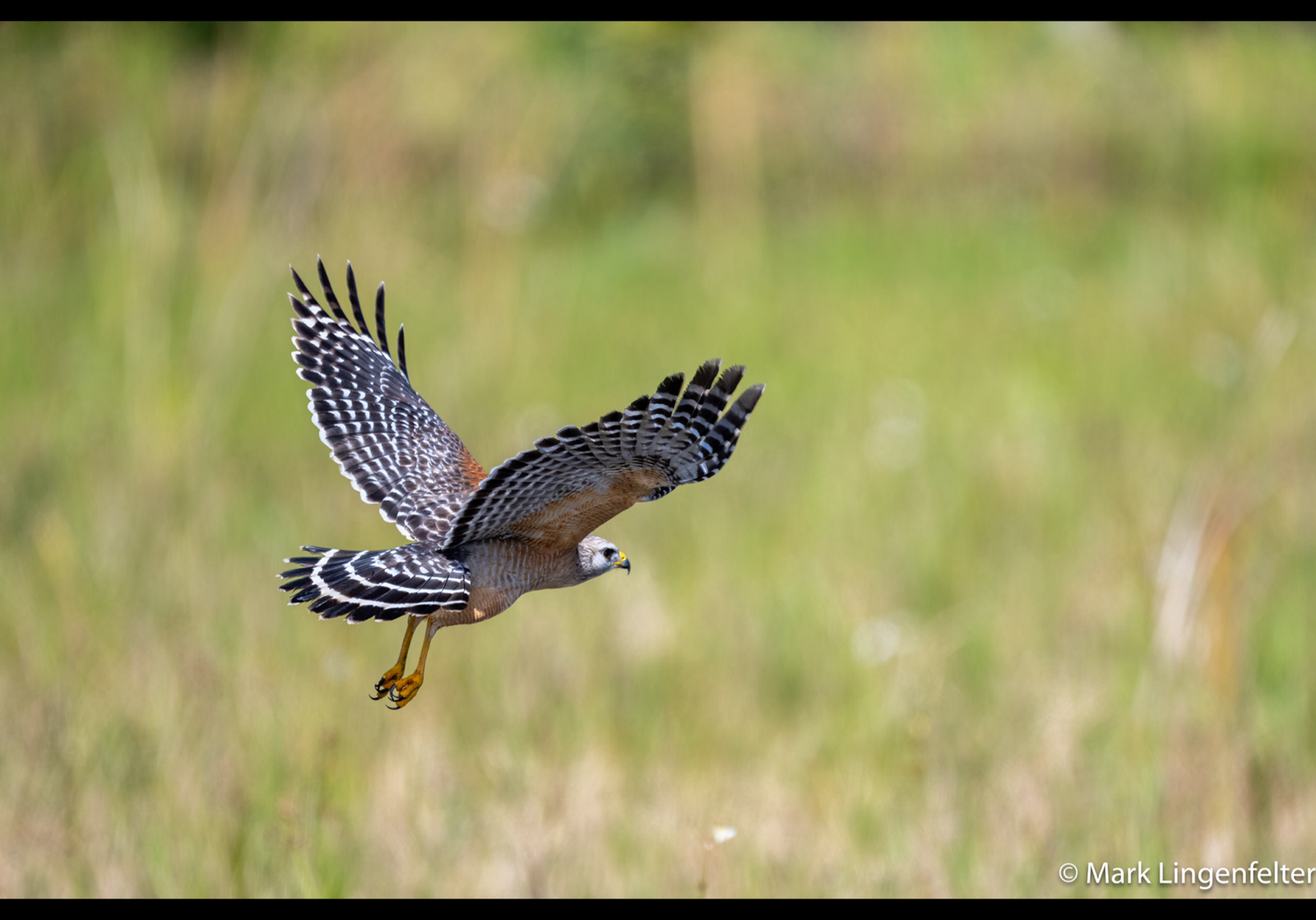
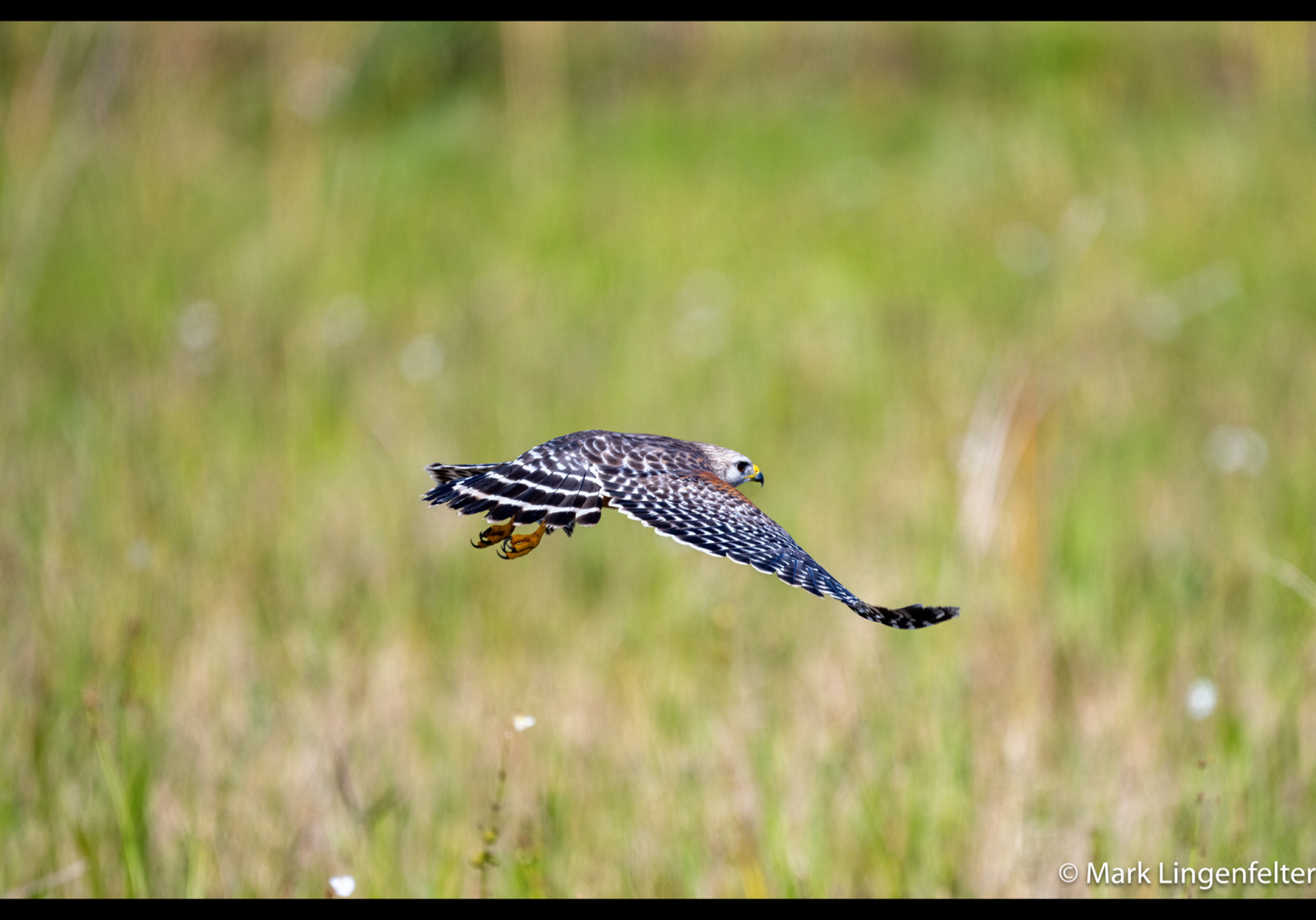
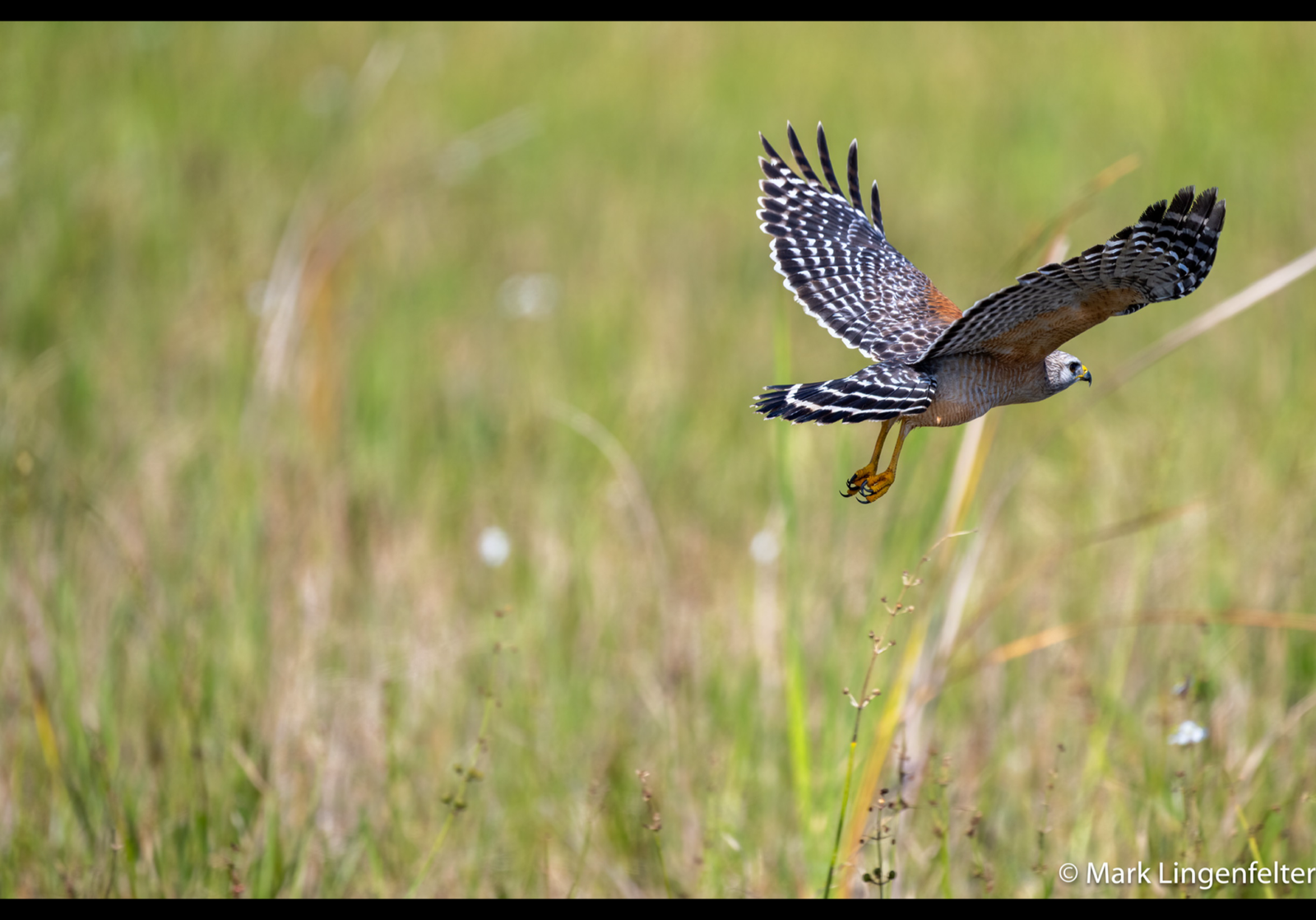
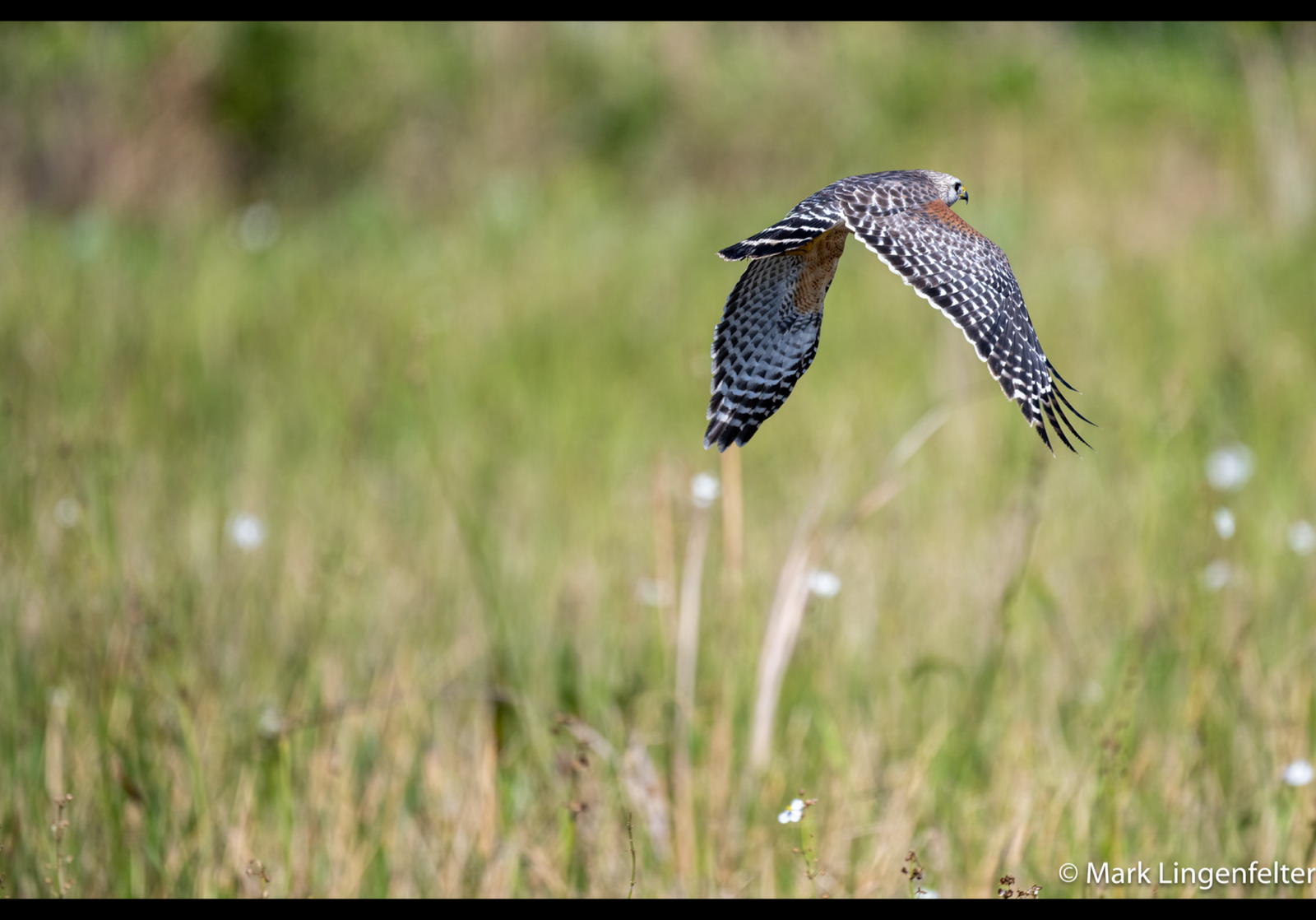
Red-shouldered Hawks in Arthur R. Marshall Loxahatchee National Wildlife Refuge Florida

The red-shouldered hawk (Buteo lineatus) is a medium-sized buteo. Its breeding range spans eastern North America and along the coast of California and northern to northeastern-central Mexico. It is a permanent resident throughout most of its range, though northern birds do migrate, mostly to central Mexico.

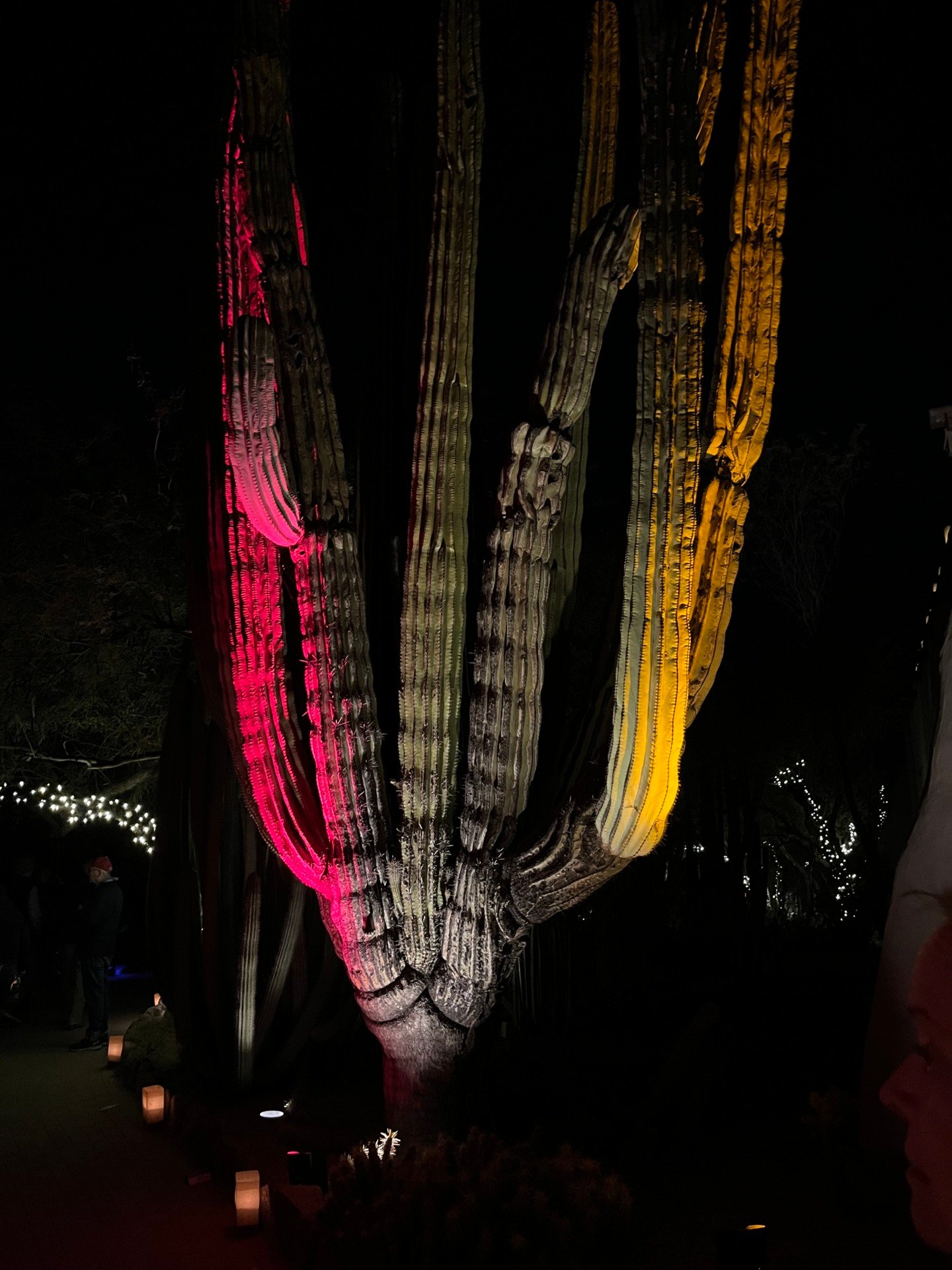
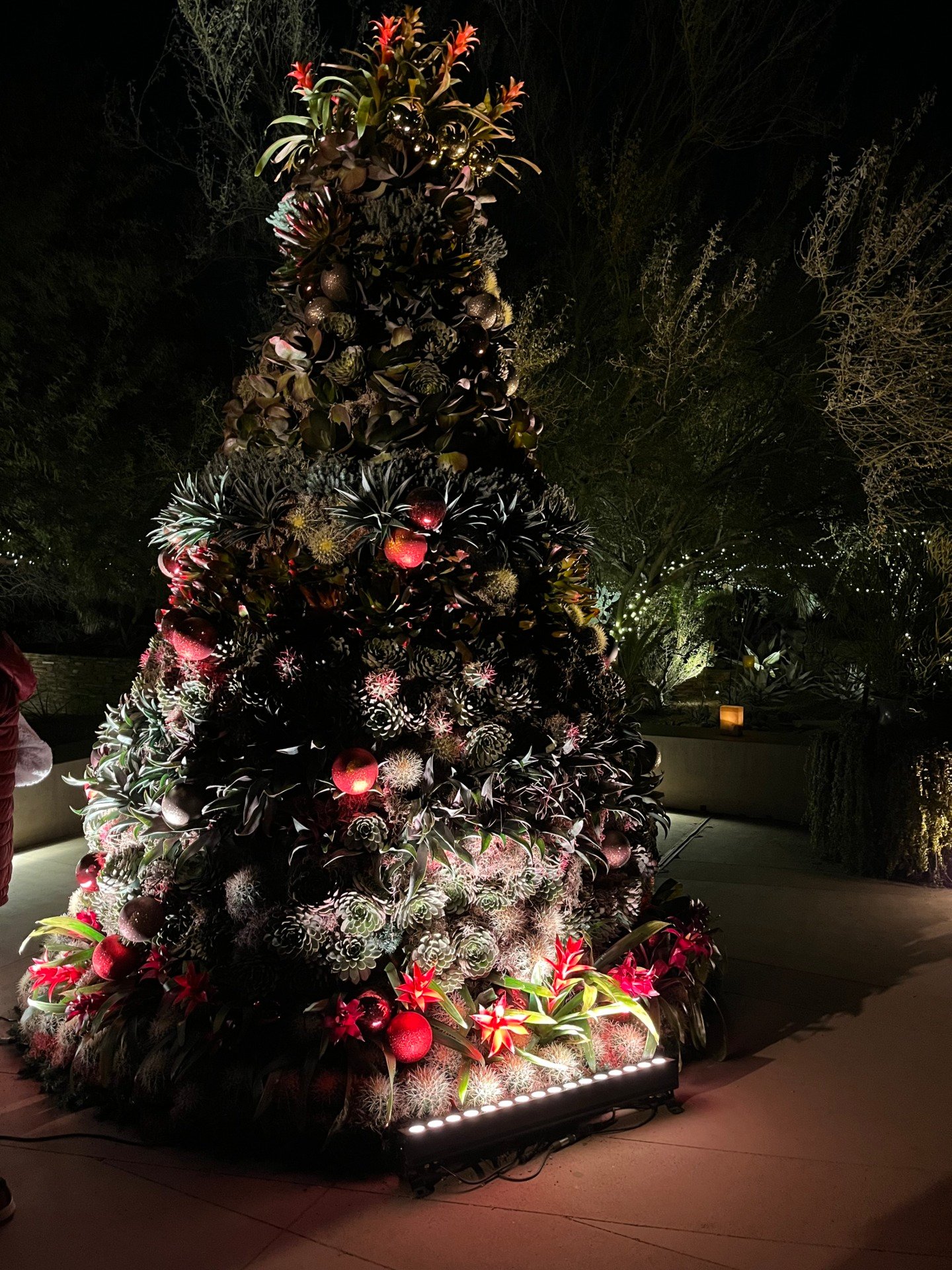
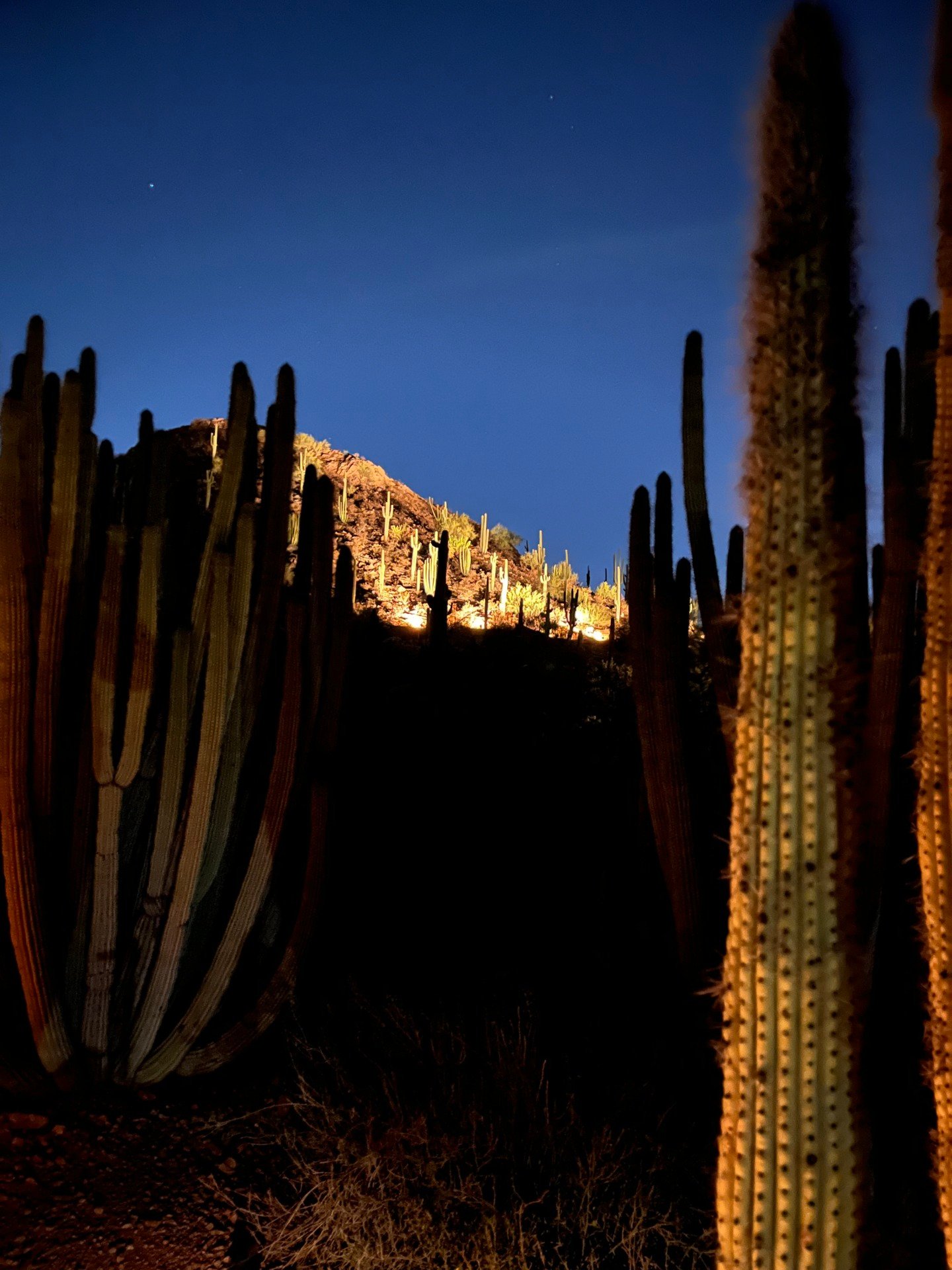
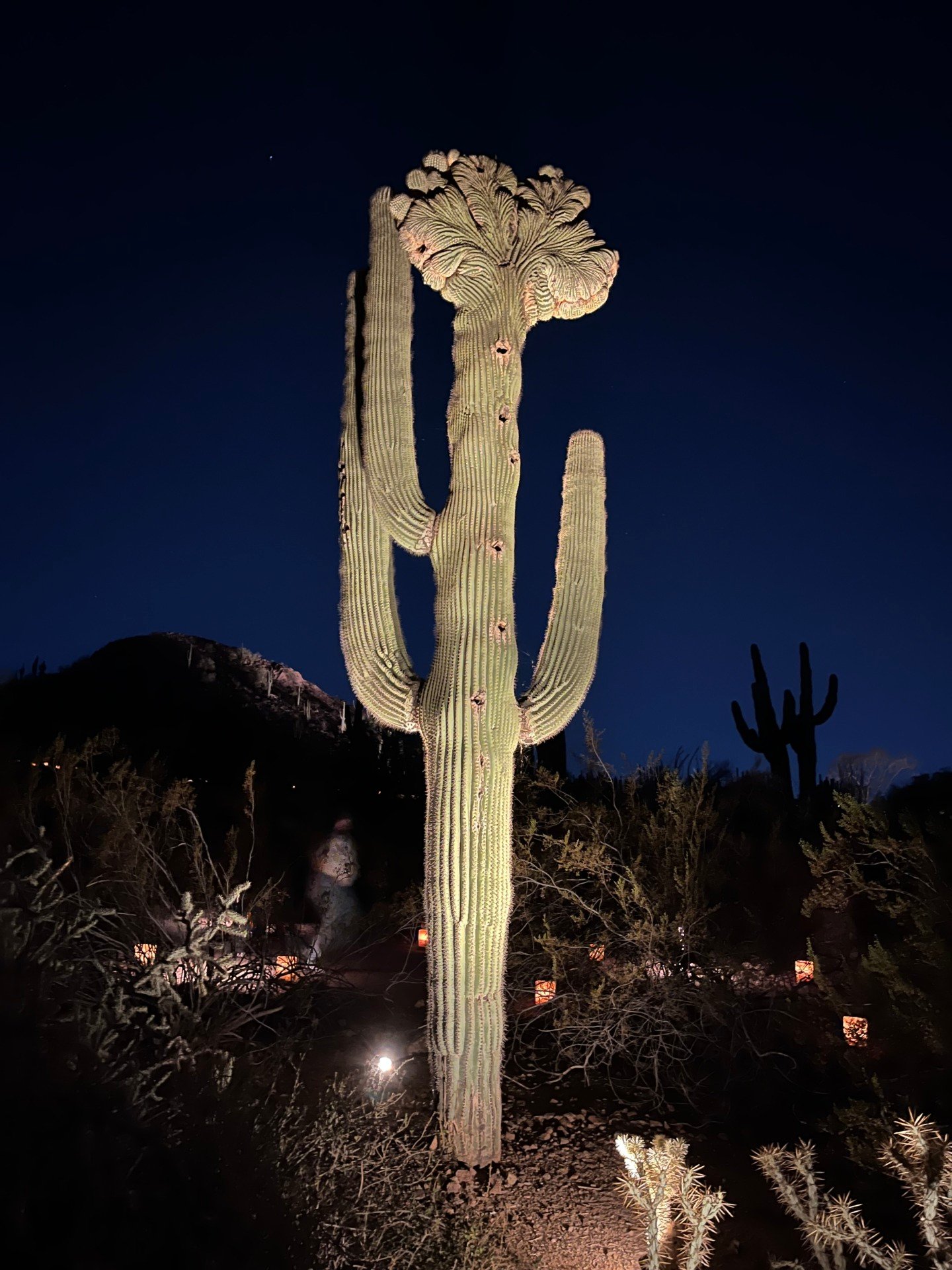
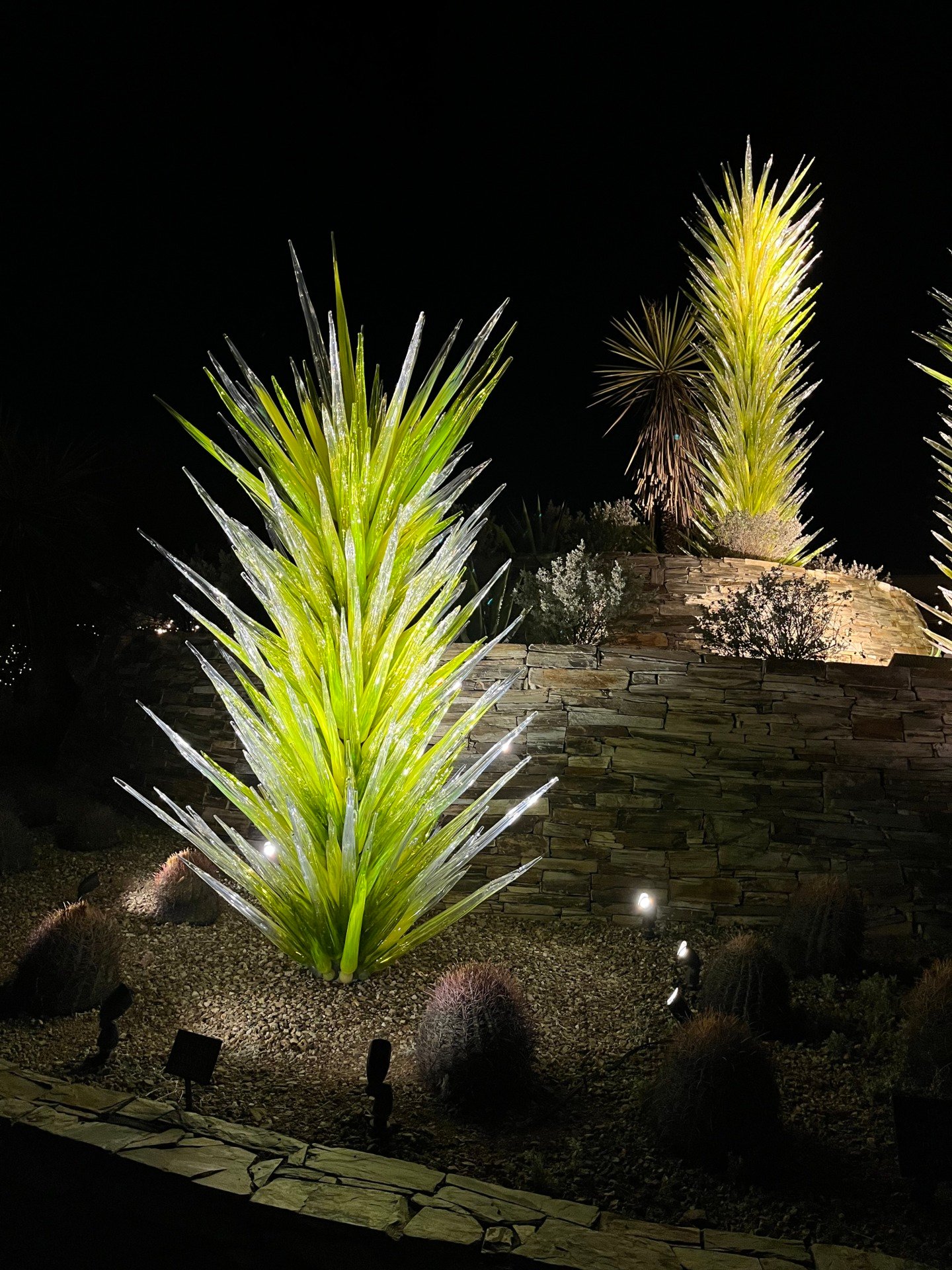
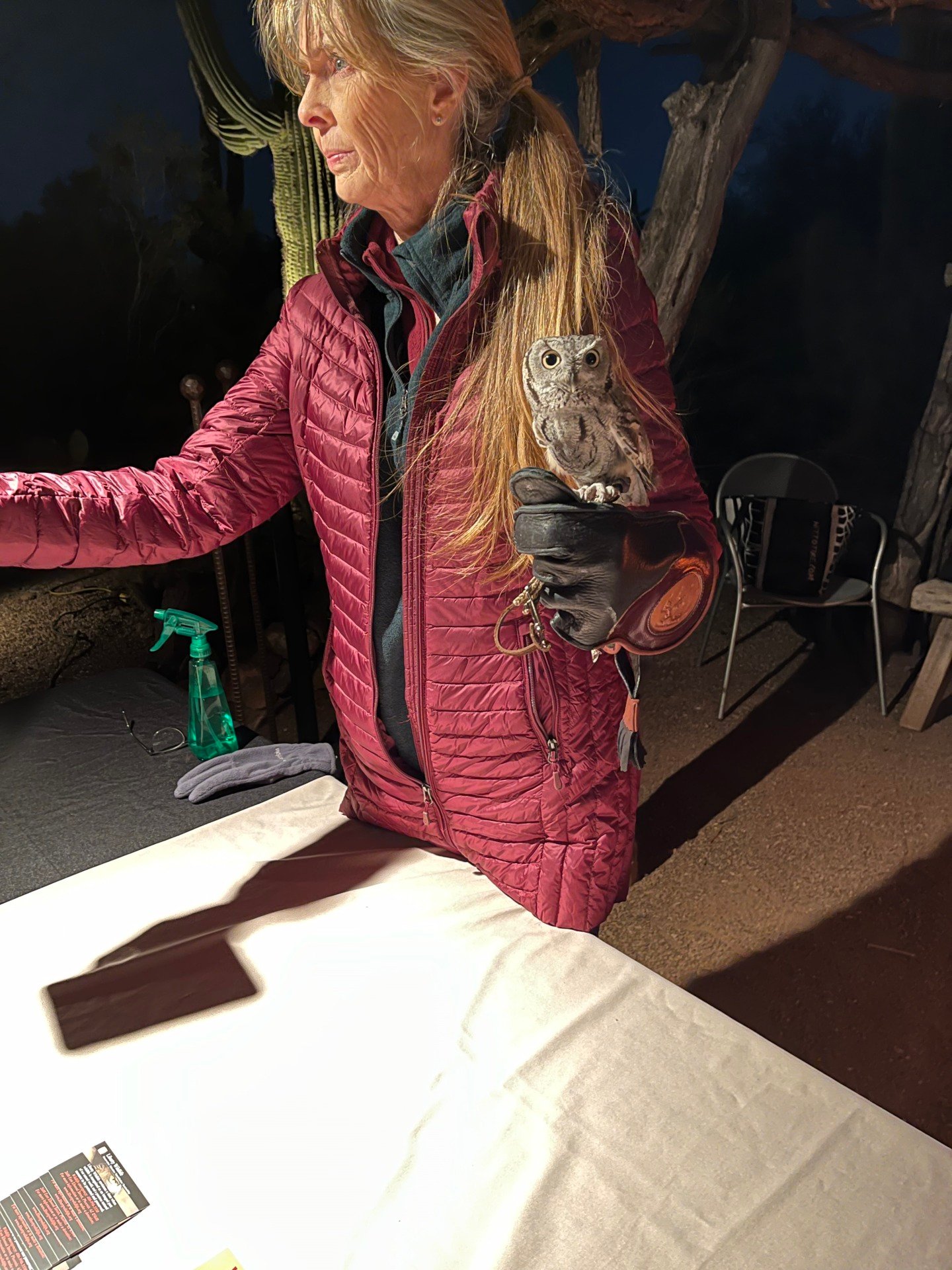
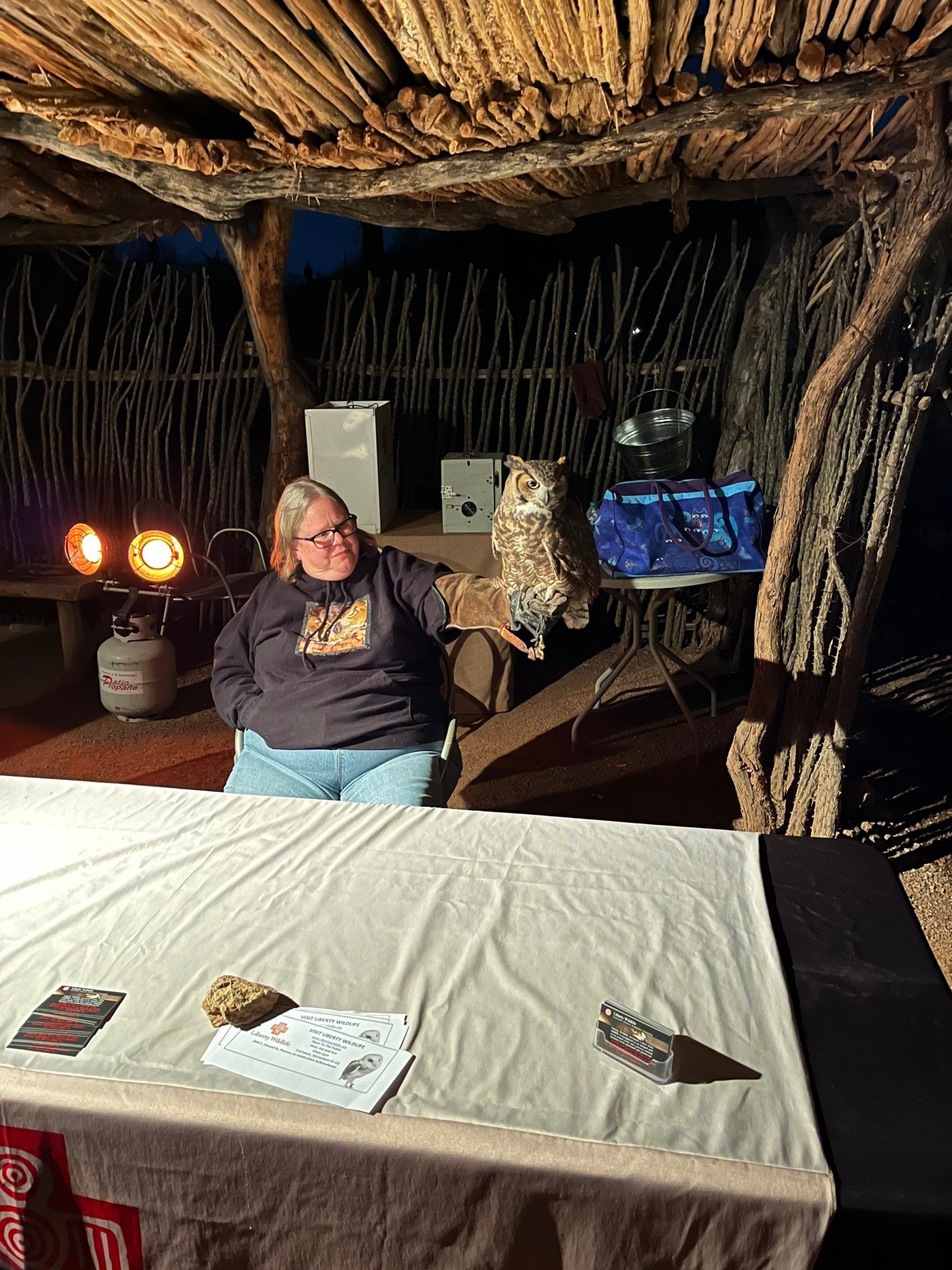
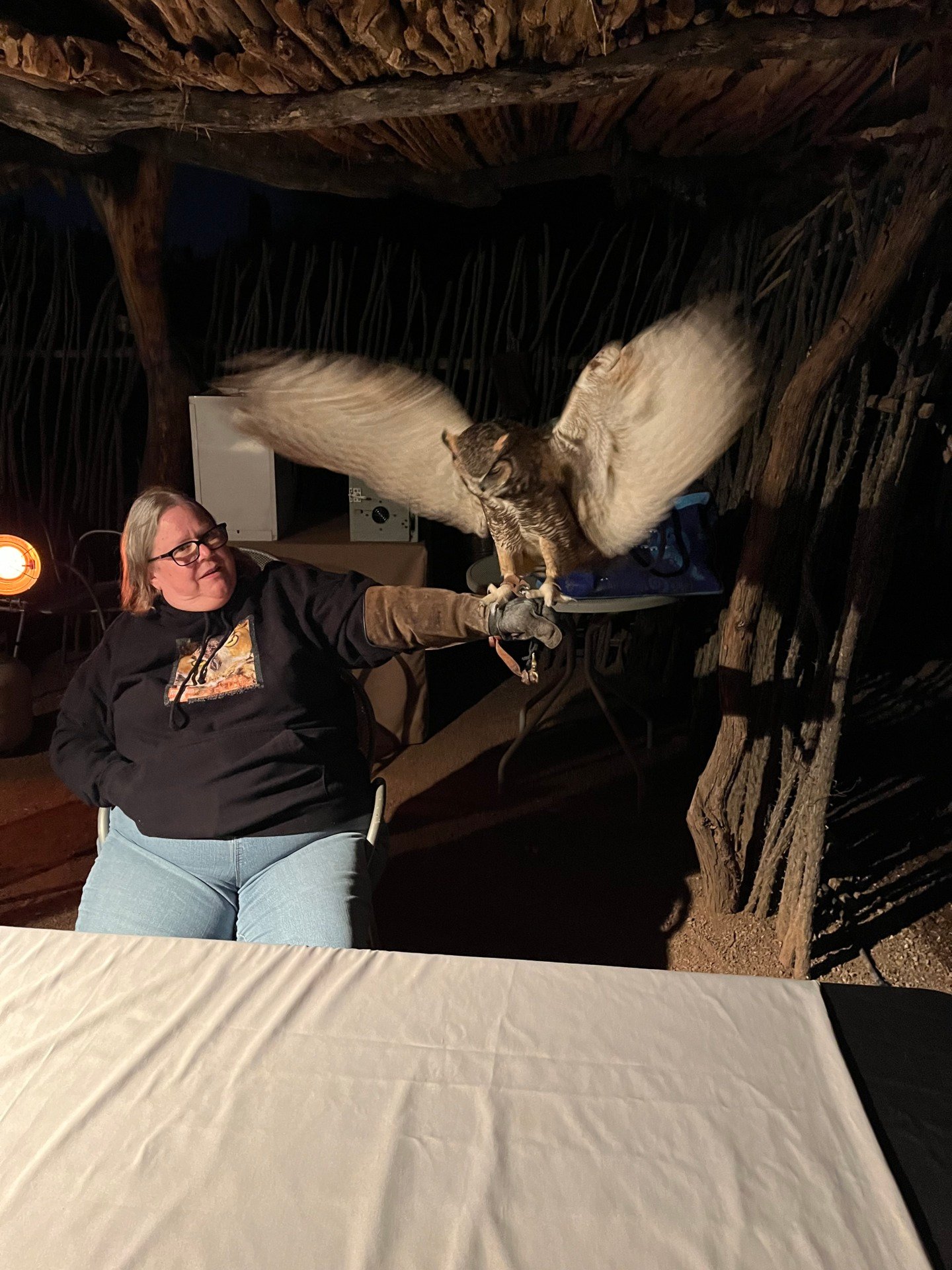
Desert Botanical Garden Arizona 2023

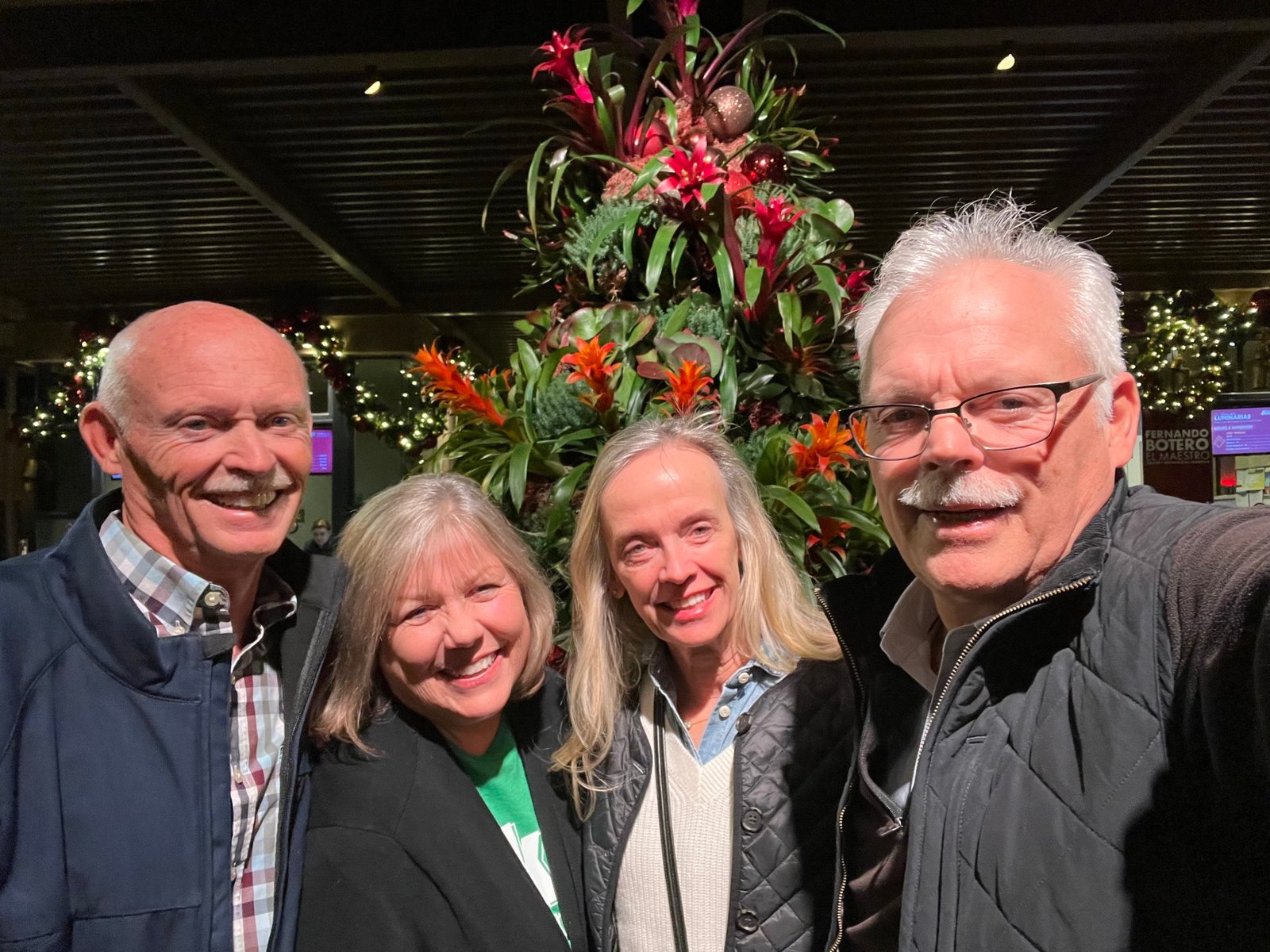
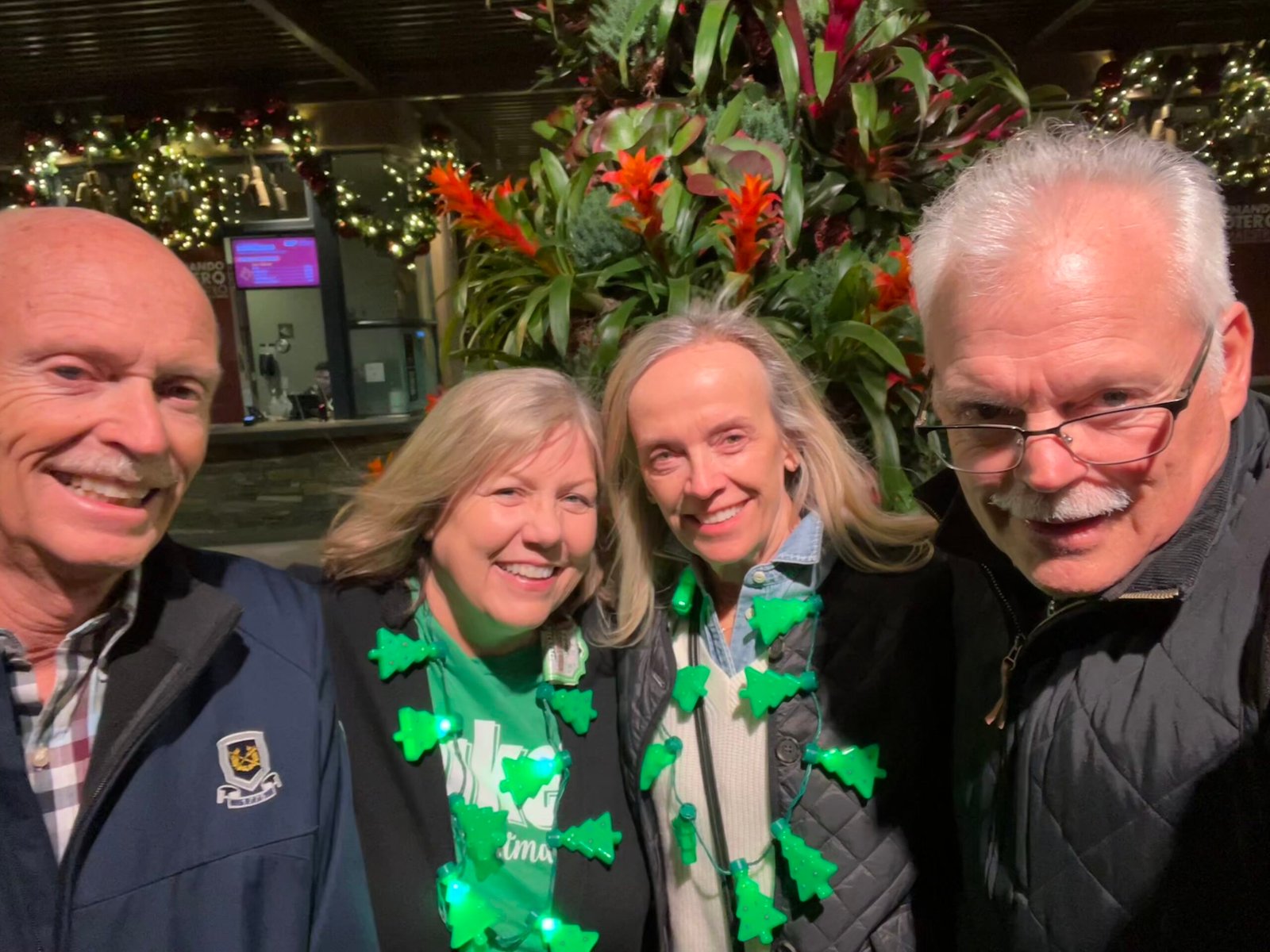
Desert Botanical Garden in Arizona December 2023 with Scott and Patti

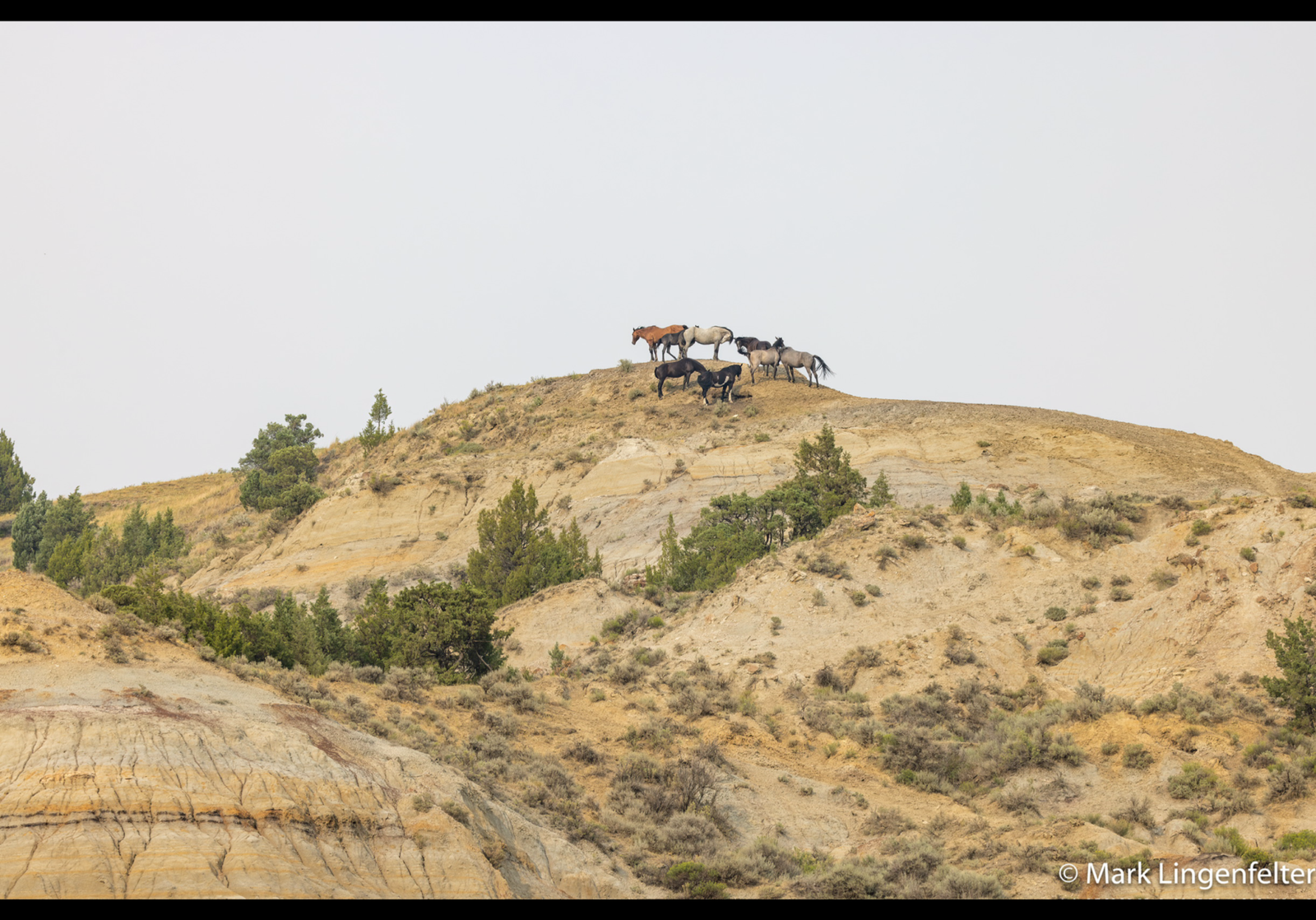
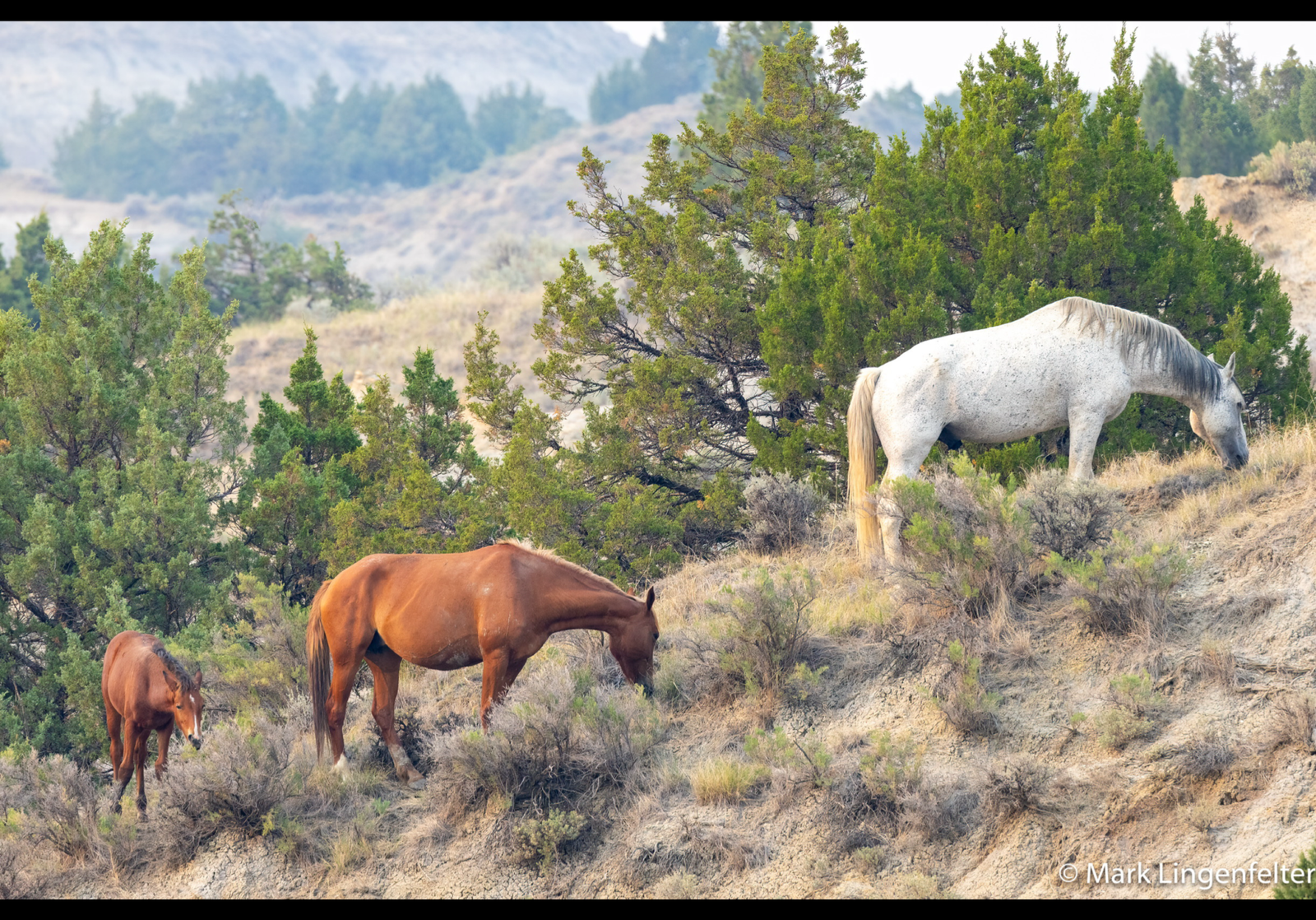
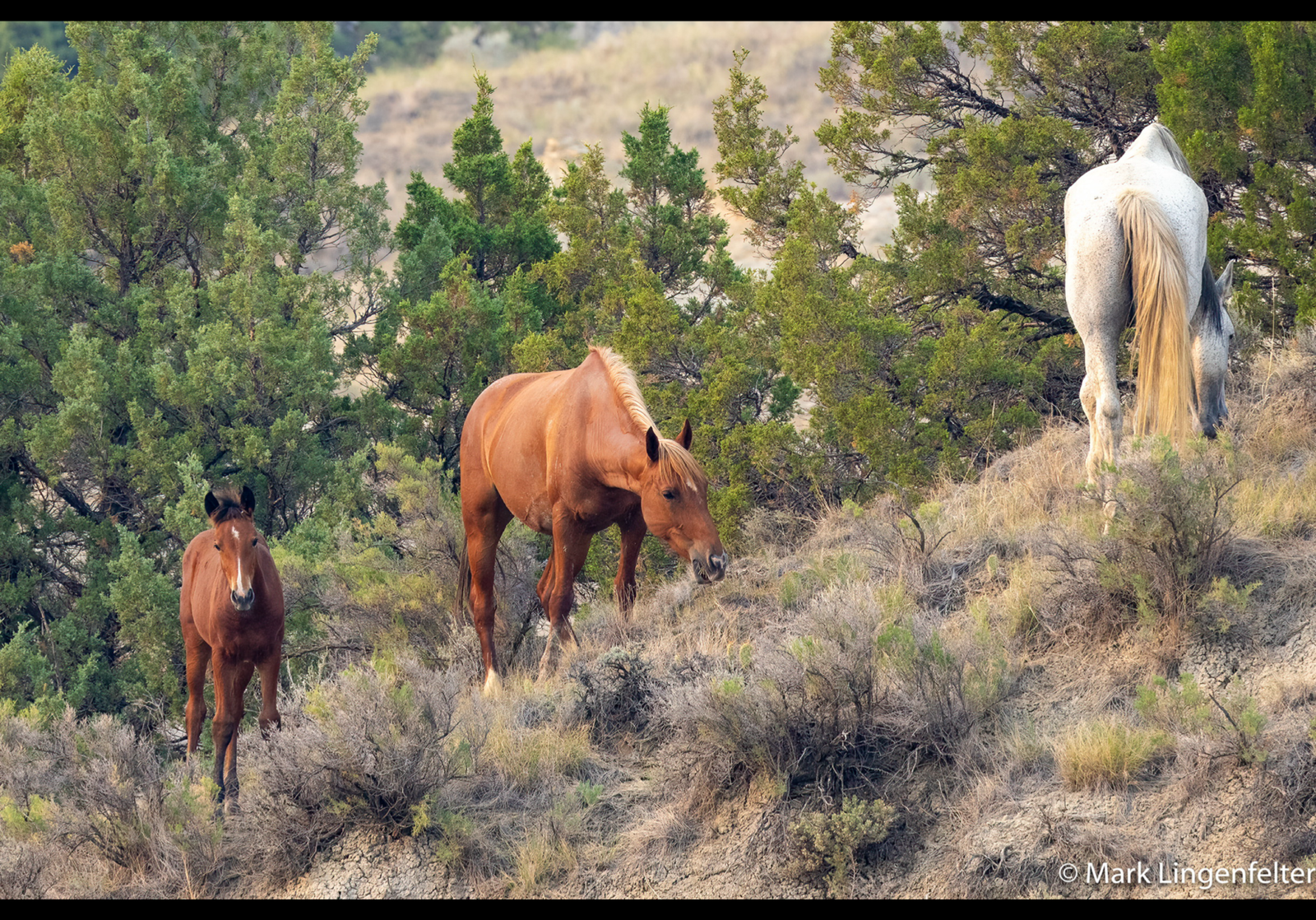
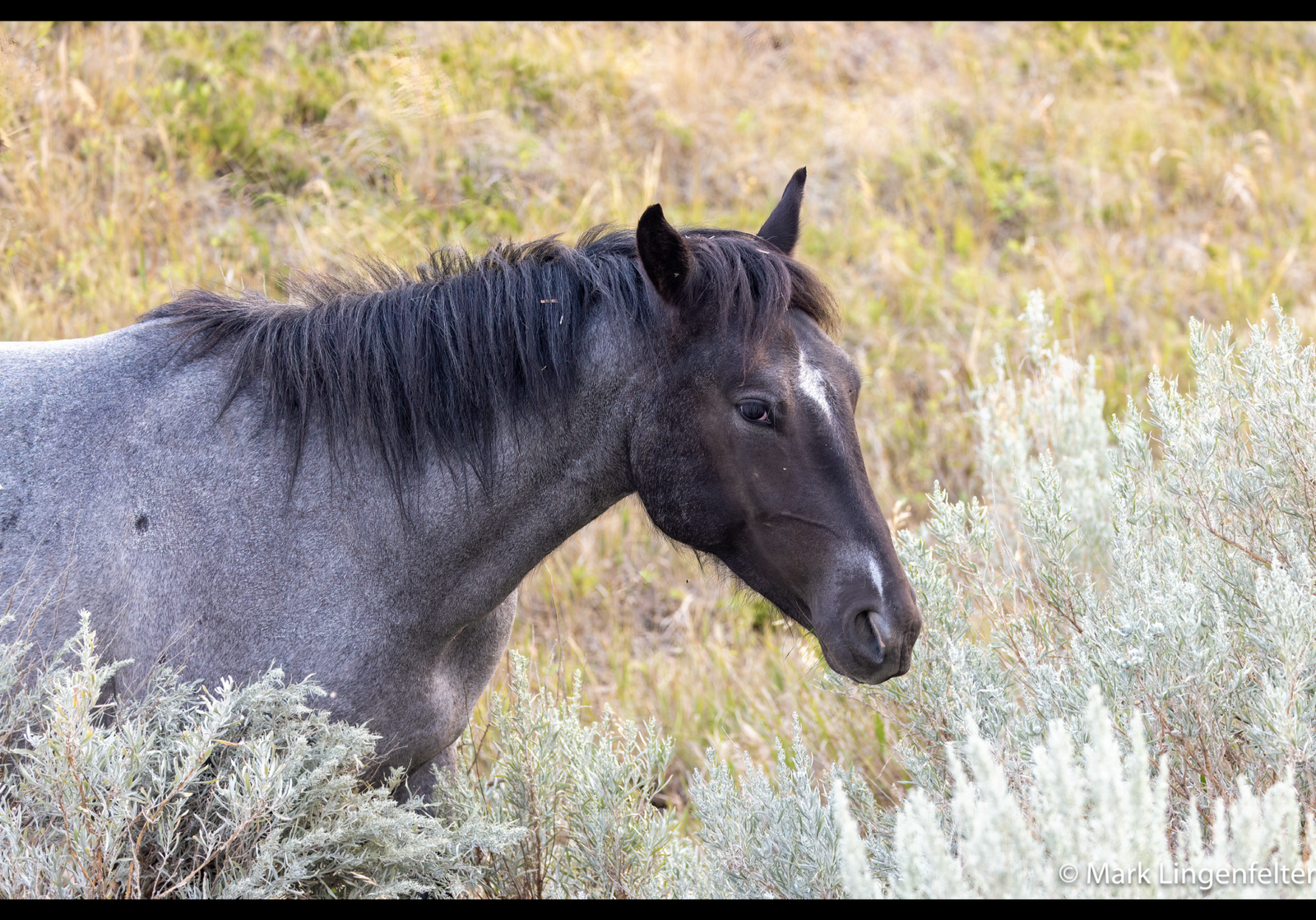
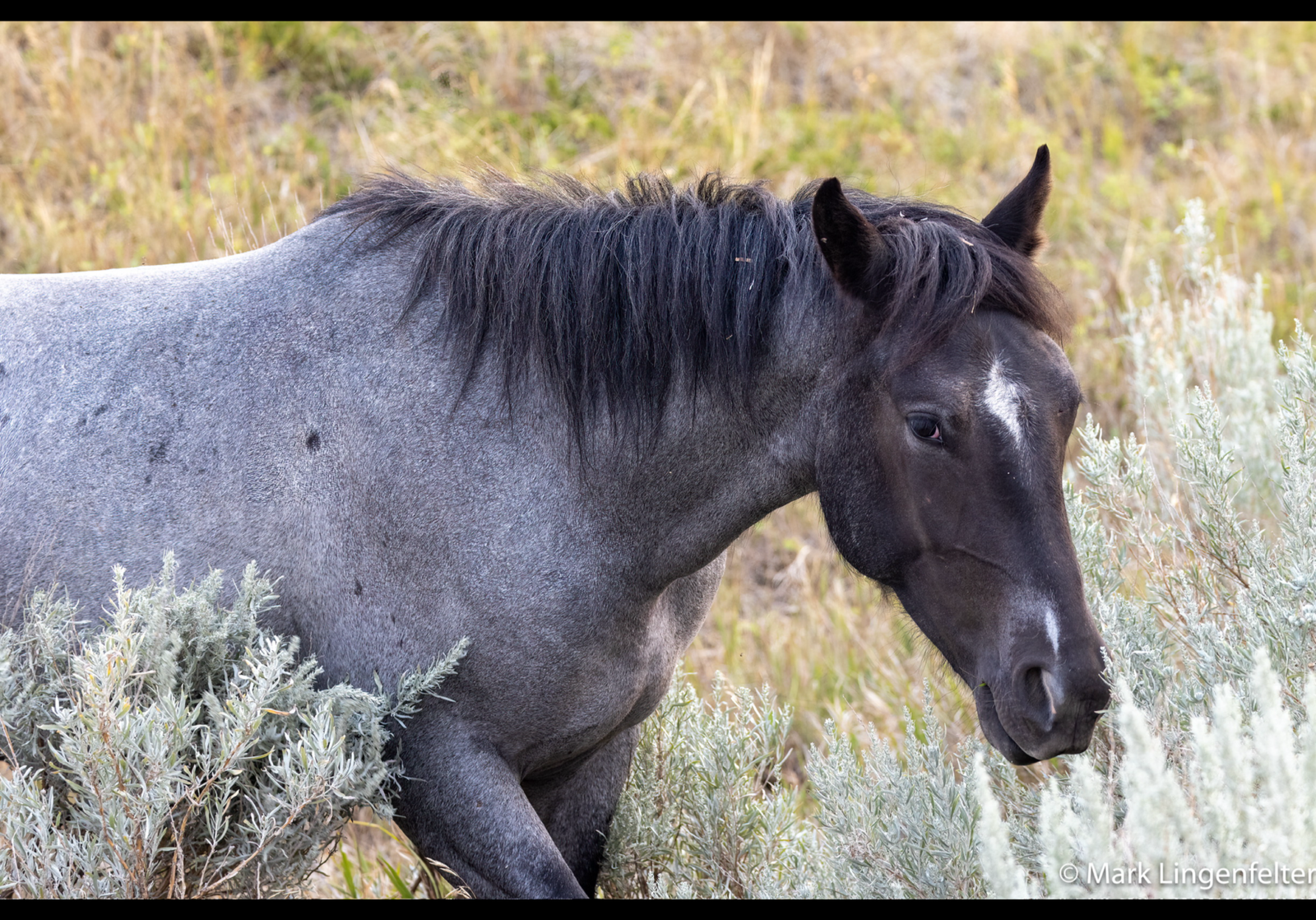
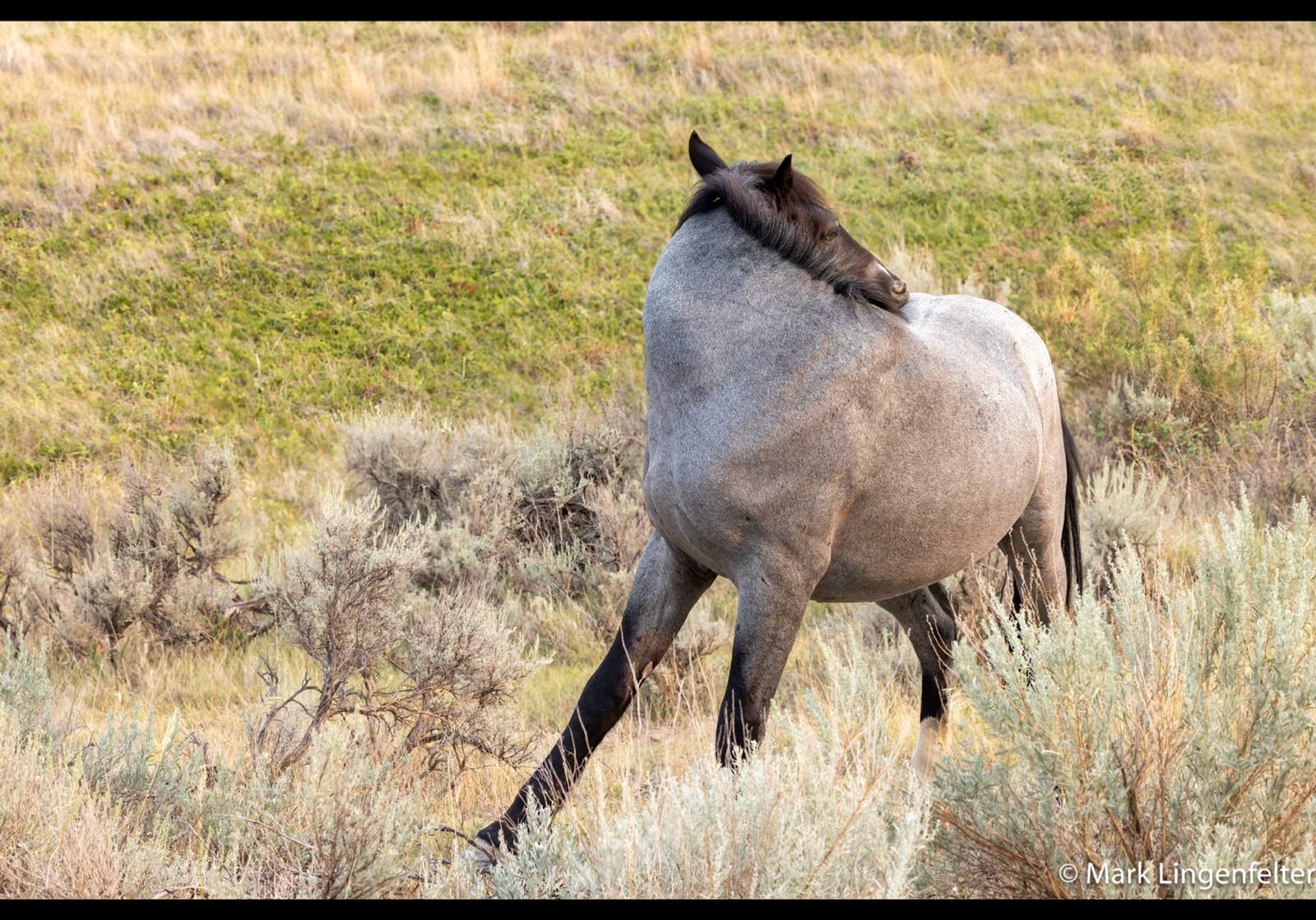
Wild Horses at the Theodore Roosevelt National Park

(from the Washington Post 1-5-2024 edited)

Wild horses were roaming the North Dakota Badlands long before Theodore Roosevelt National Memorial Park was established near Medora in 1947. About 200 wild horses remain, though that could soon change if the National Park Service gets its way. The park, now known as Theodore Roosevelt National Park, announced plans to thin or eliminate the herd of wild horses in 2022.

Theodore Roosevelt National Park is a tribute to Theodore Roosevelt, the “conservation president,” and his time in North Dakota. We know from his writings that wild horses were part of his experience in the Badlands. Some of the horses might be traced back to Sitting Bull’s war ponies from when he surrendered in 1881 at Fort Buford. The latest public comment period ended in November. Park Superintendent Angie Richman has said a decision on thinning or eliminating the herd will come by the end of 2024.
(Our photos taken on our visit in August of 2015.)

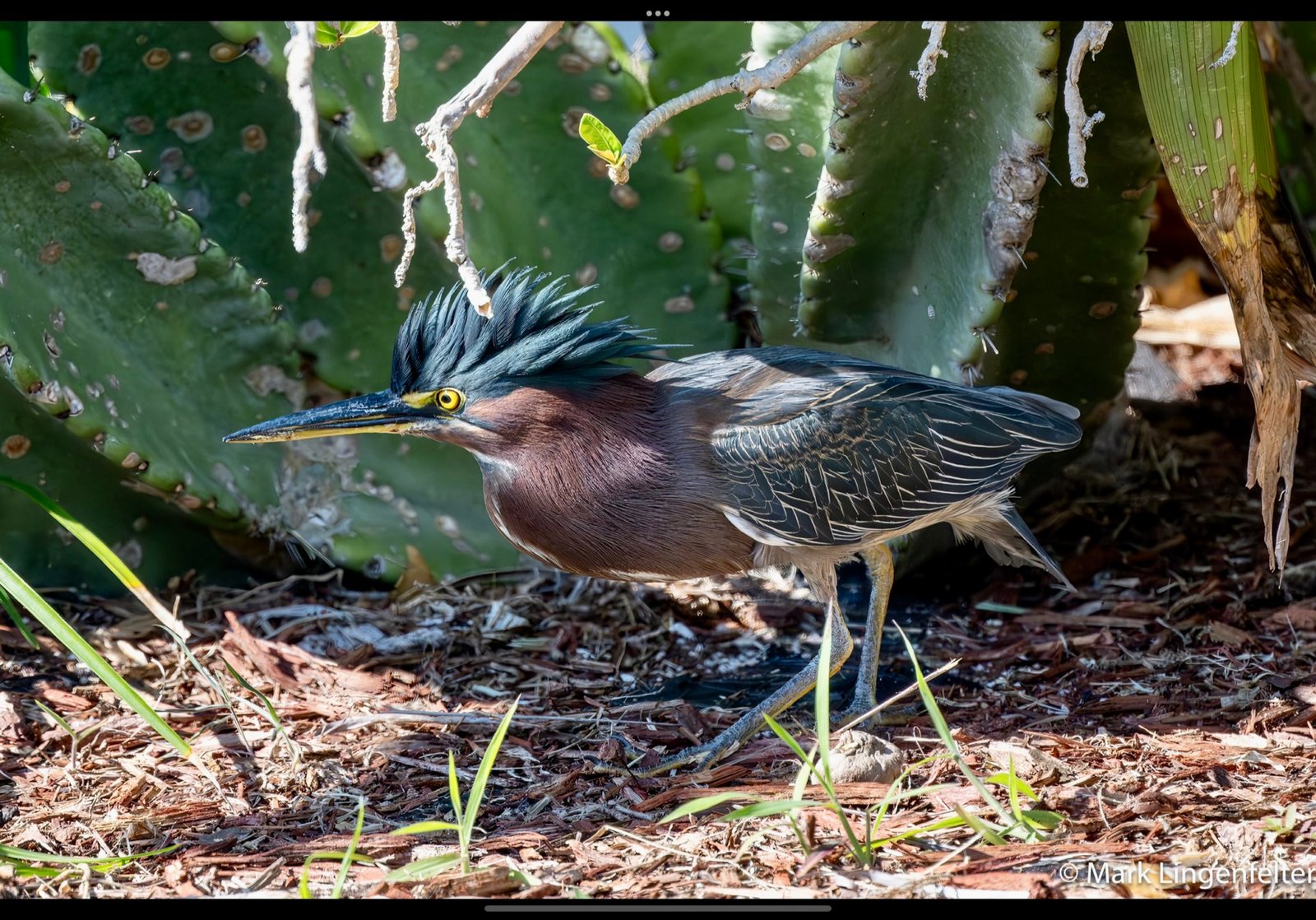
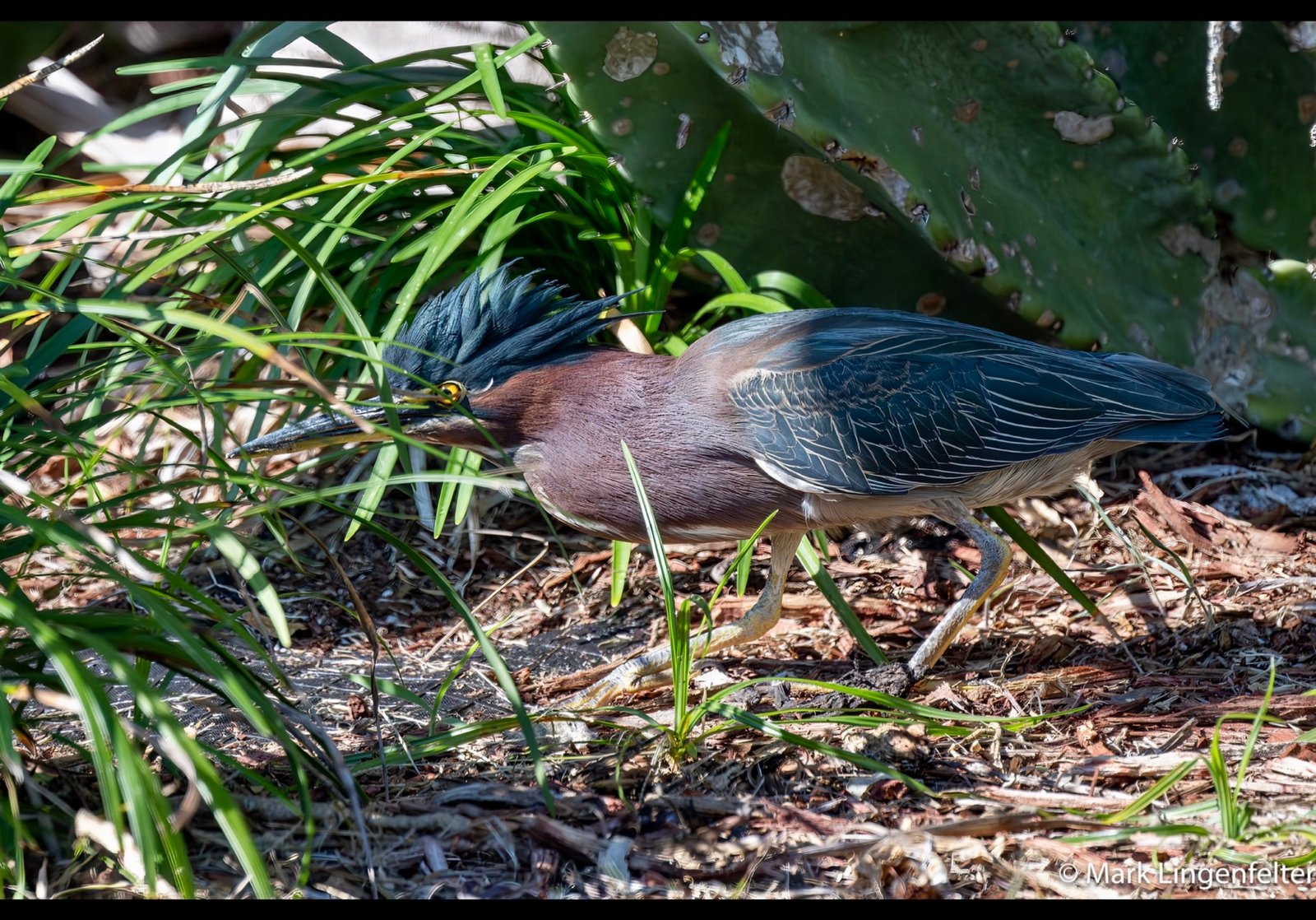
Green Heron on New Year Day