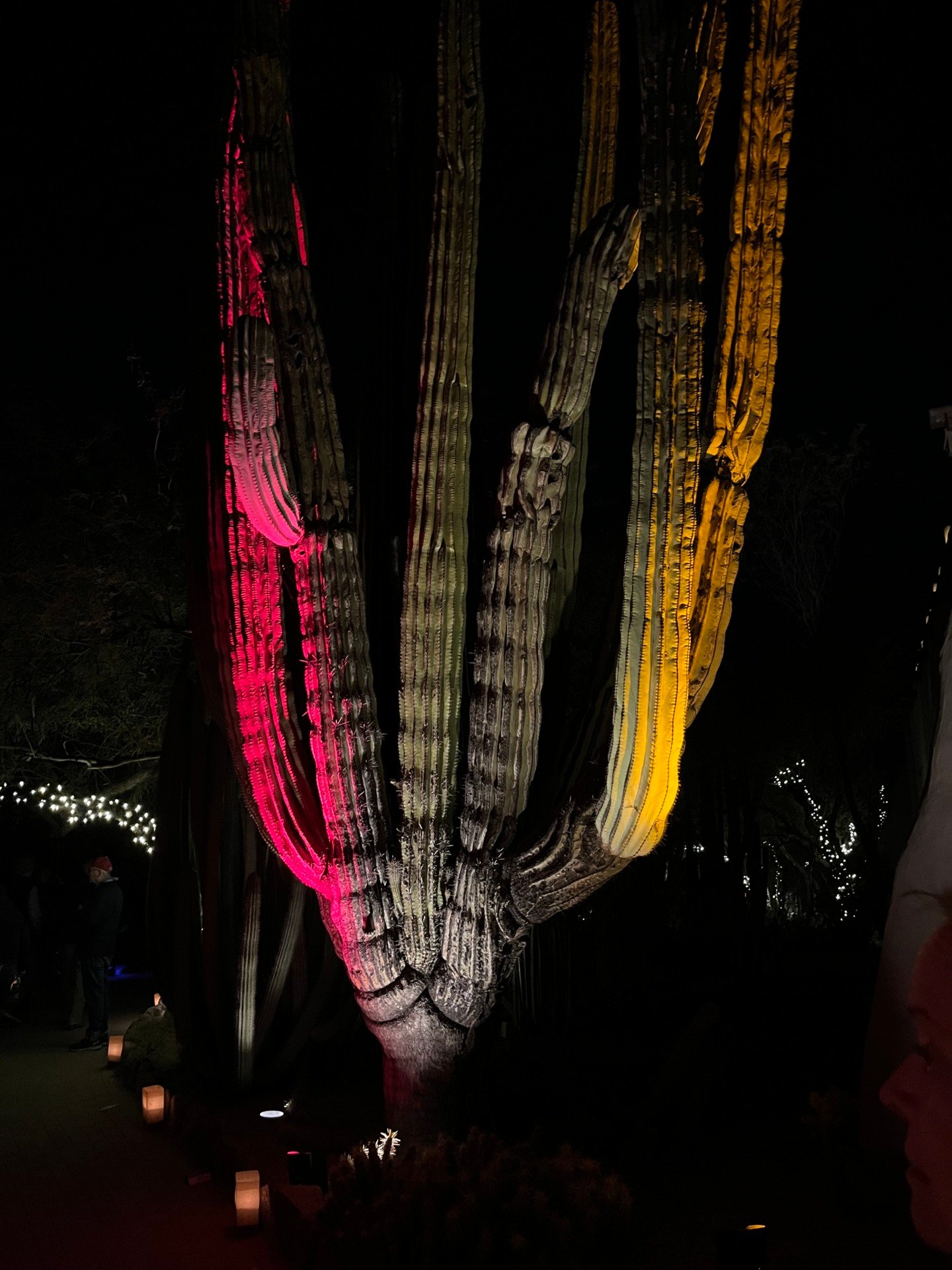
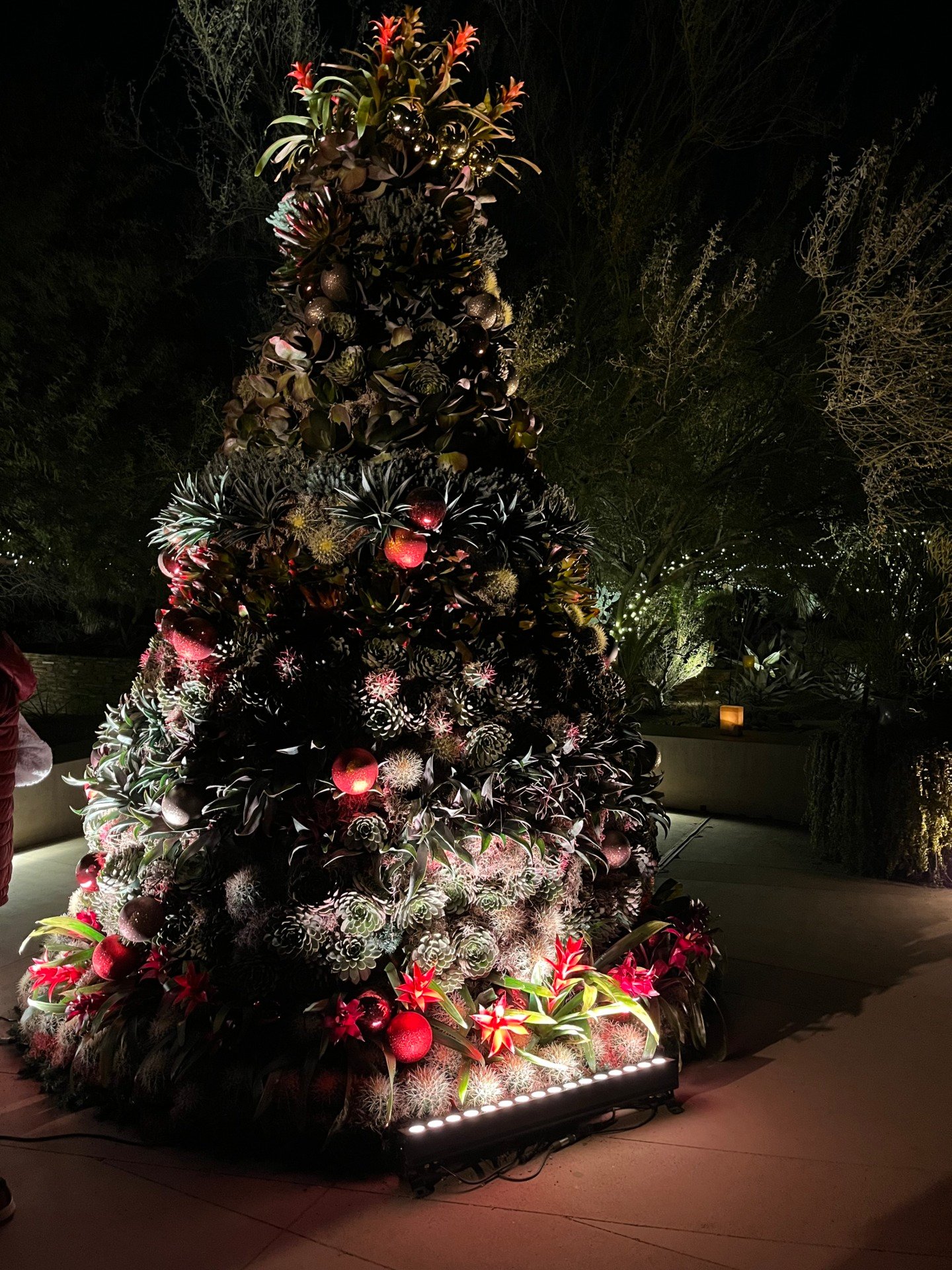
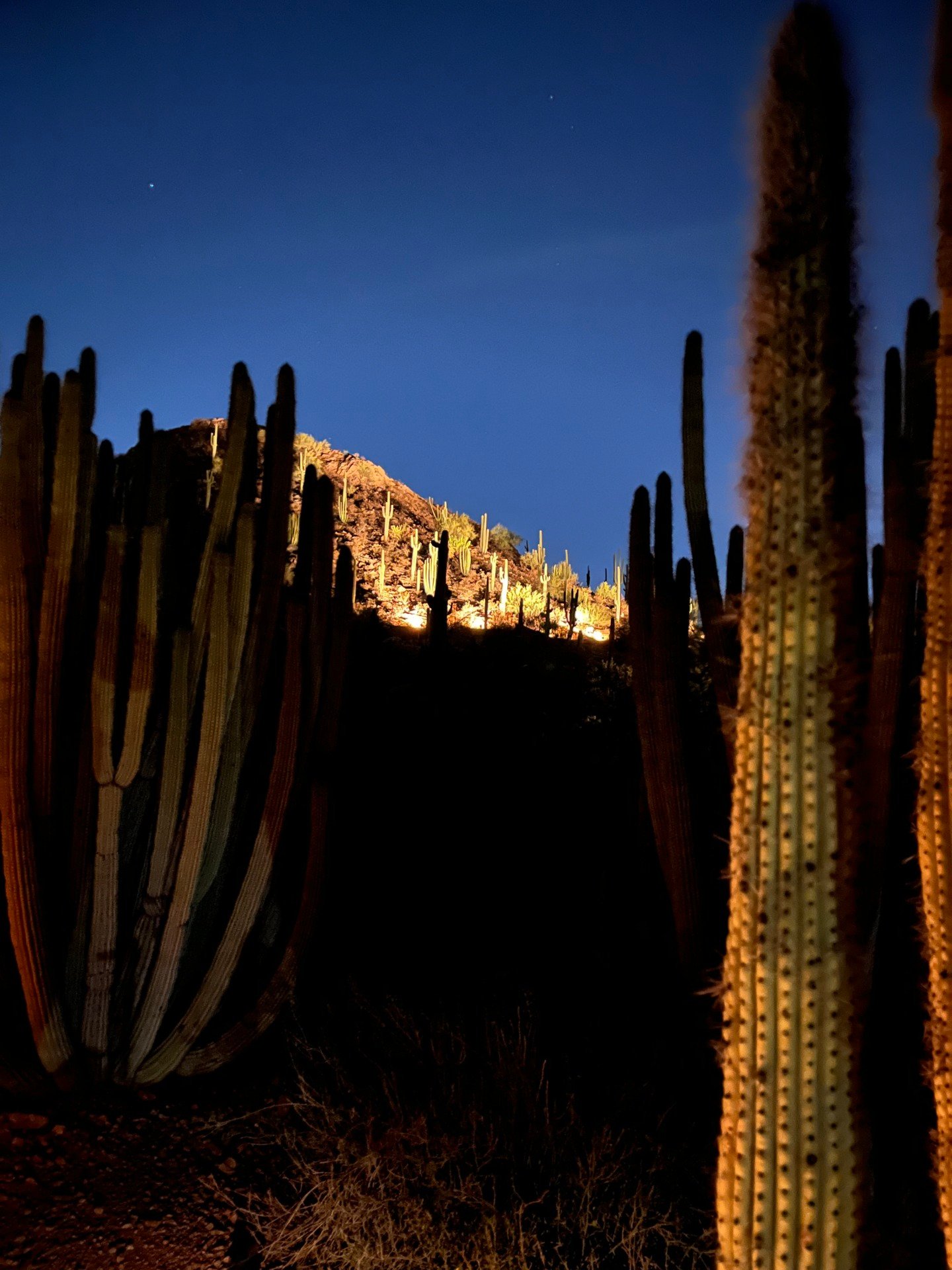
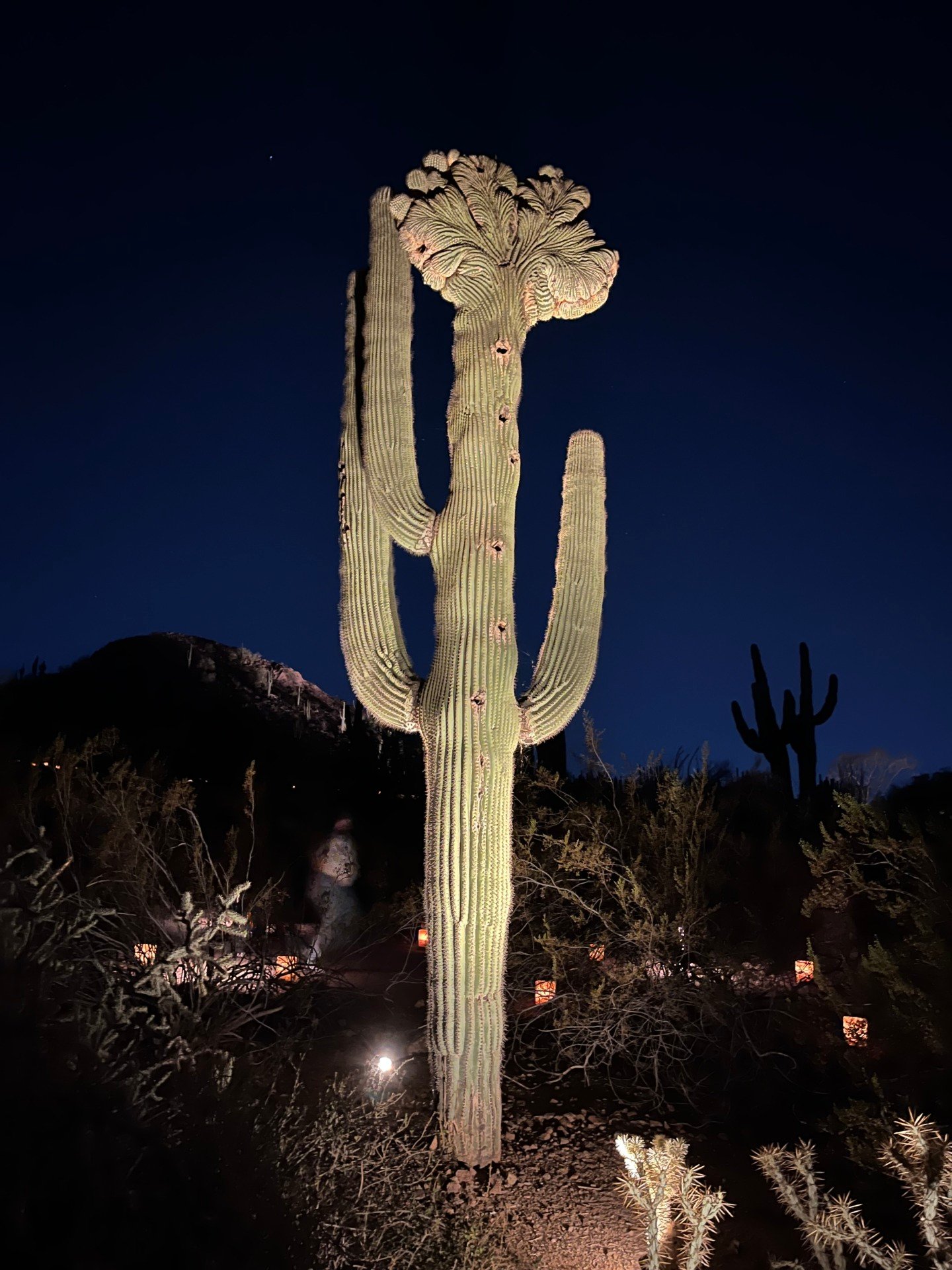
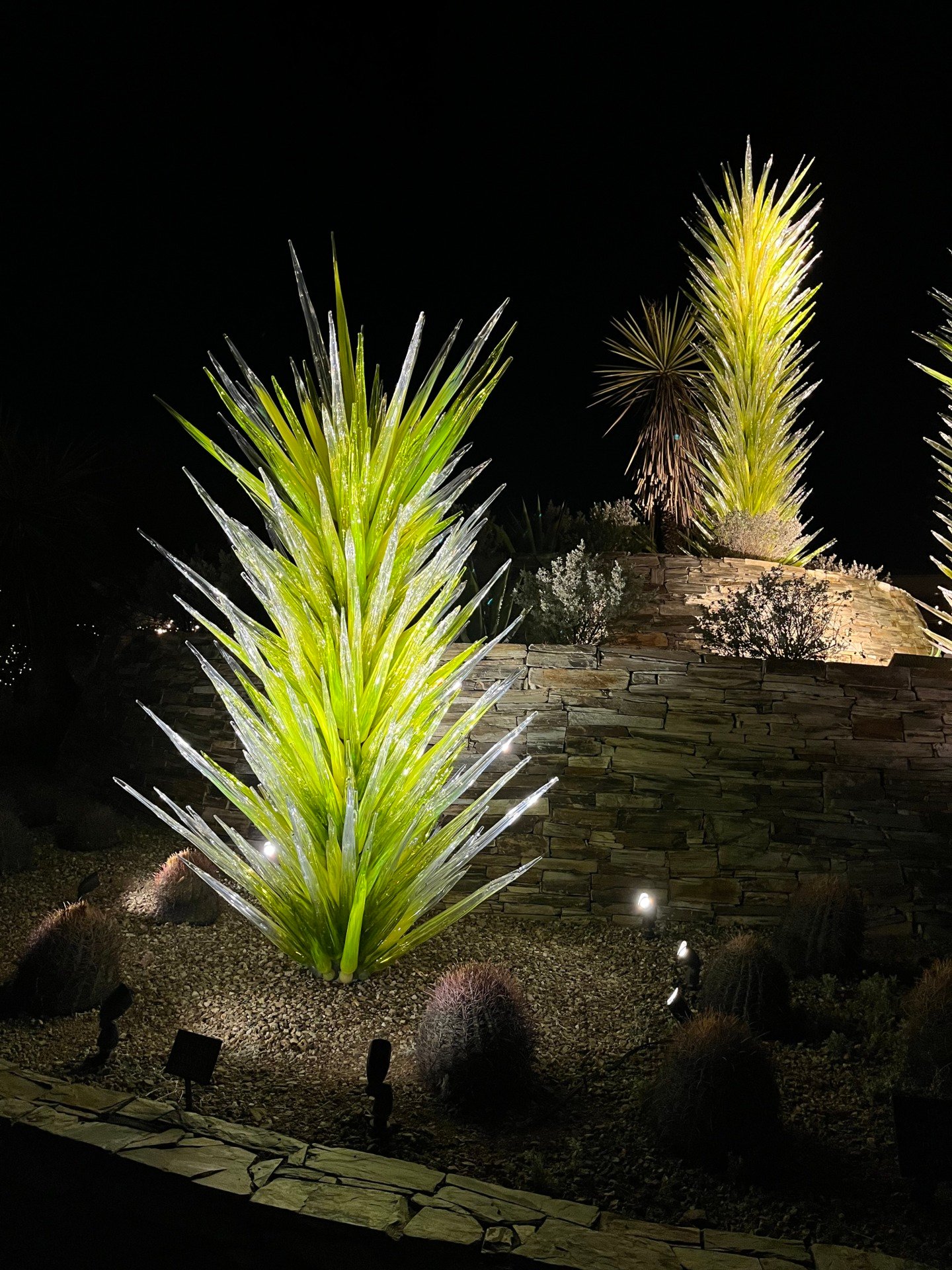
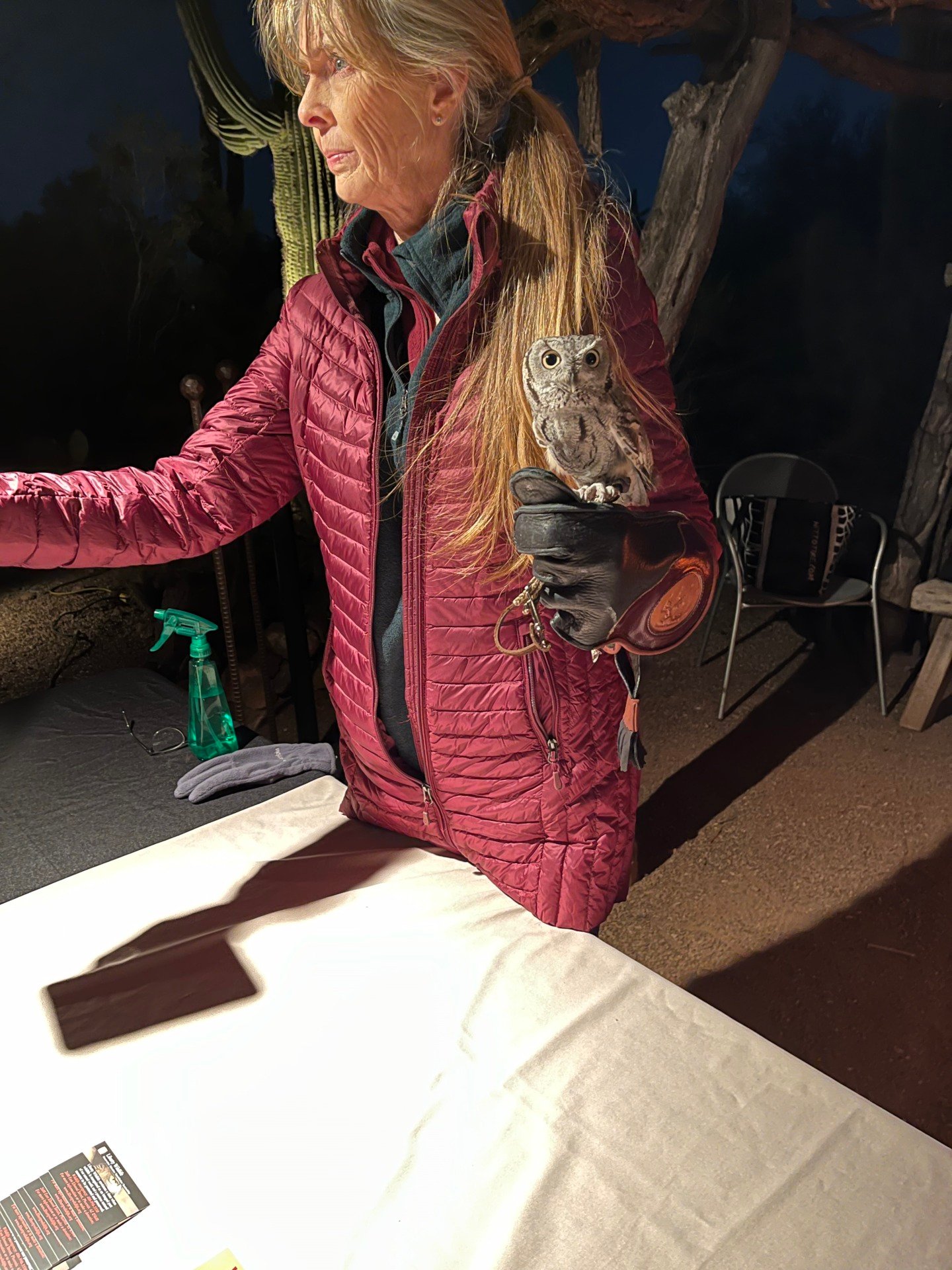
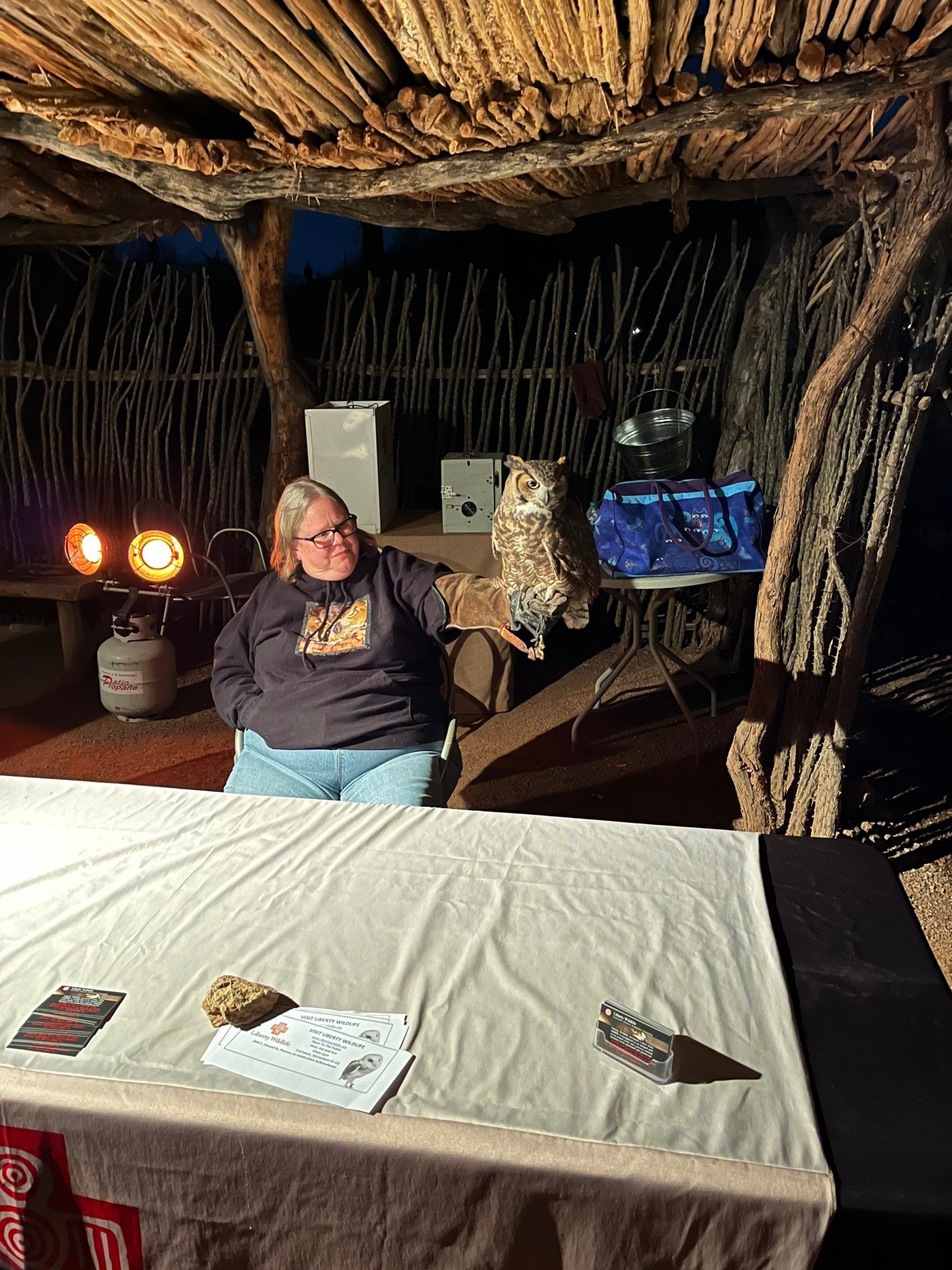
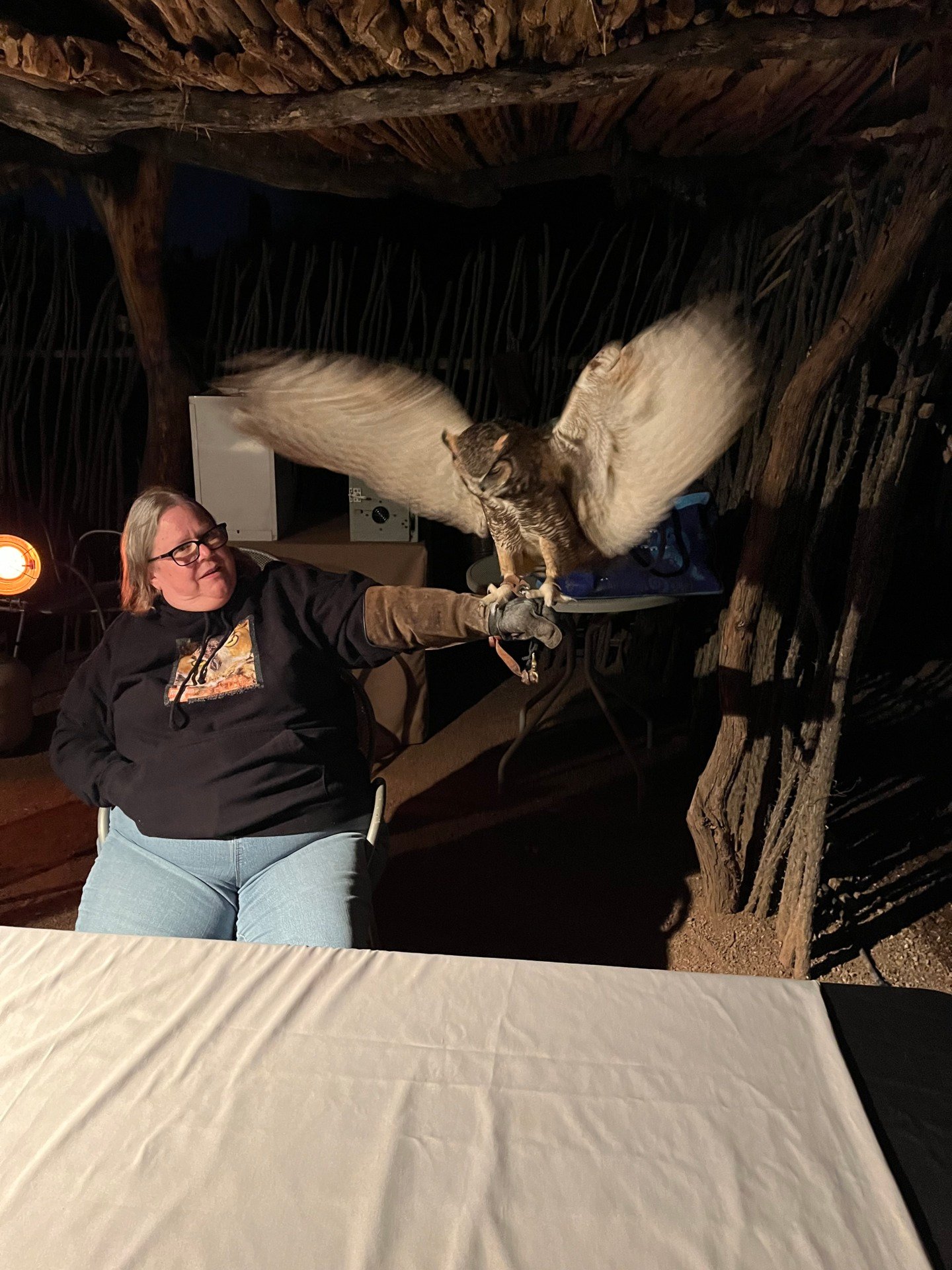
Desert Botanical Garden Arizona 2023

Desert Botanical Garden in Arizona December 2023 with Scott and Patti

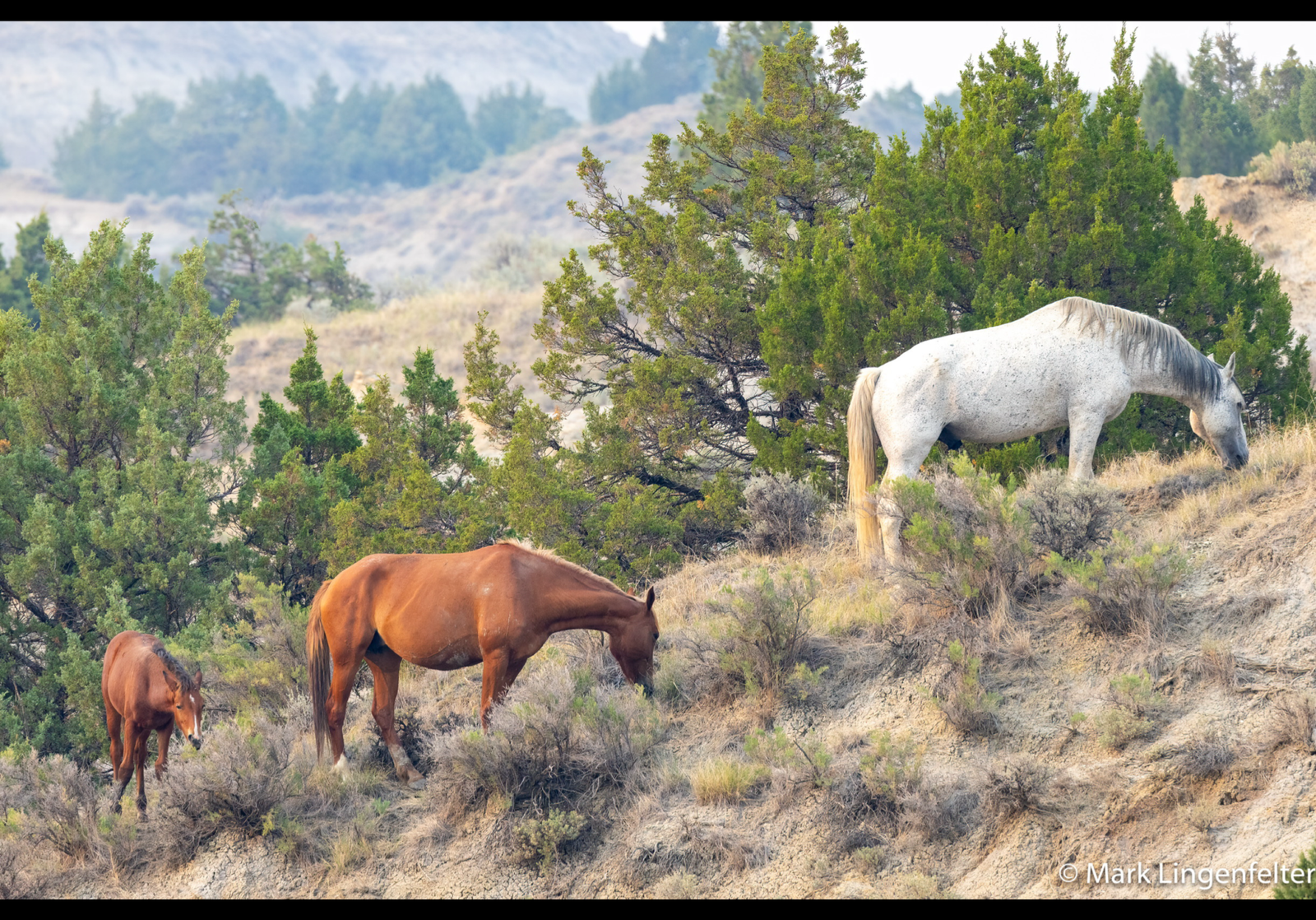
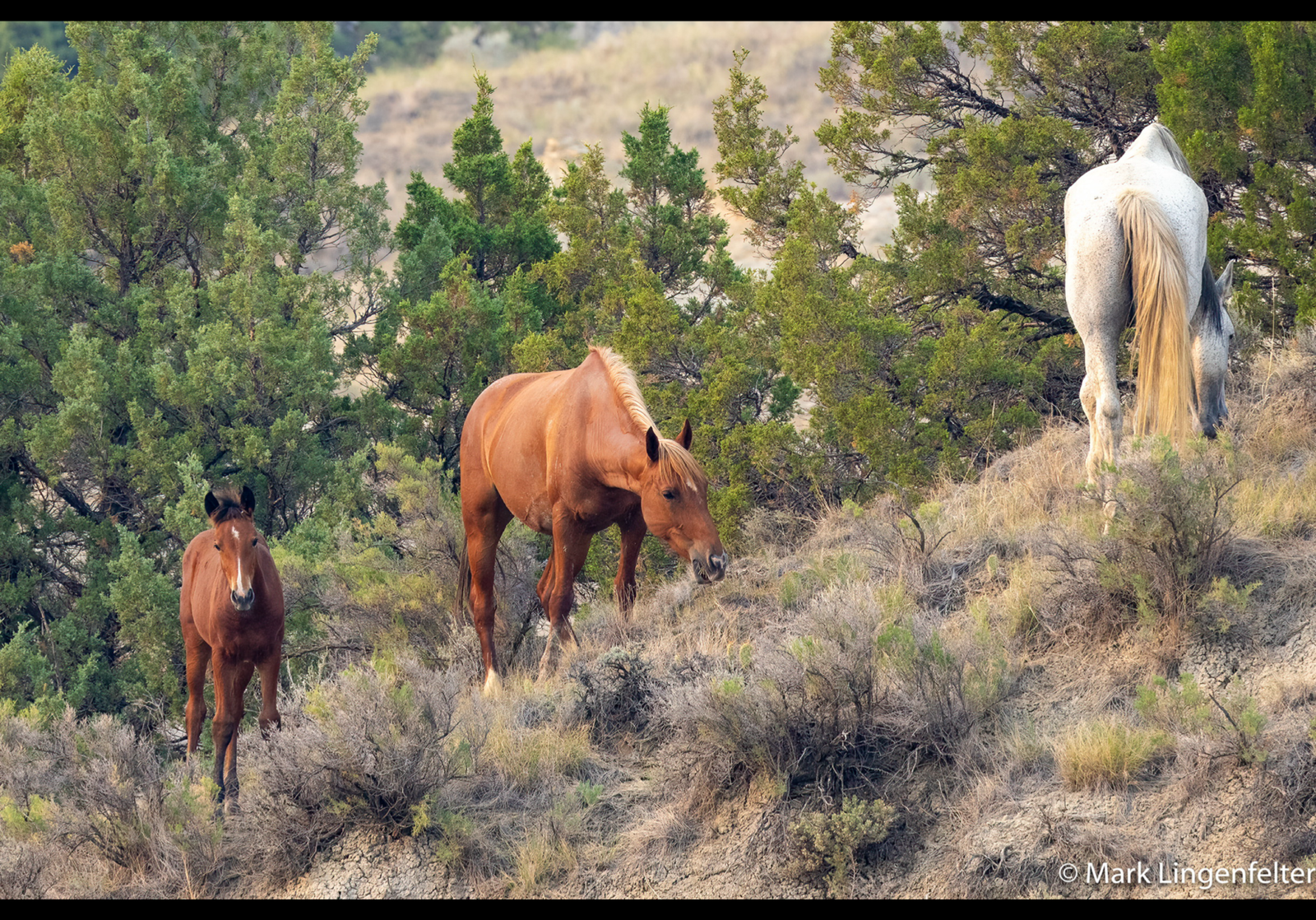
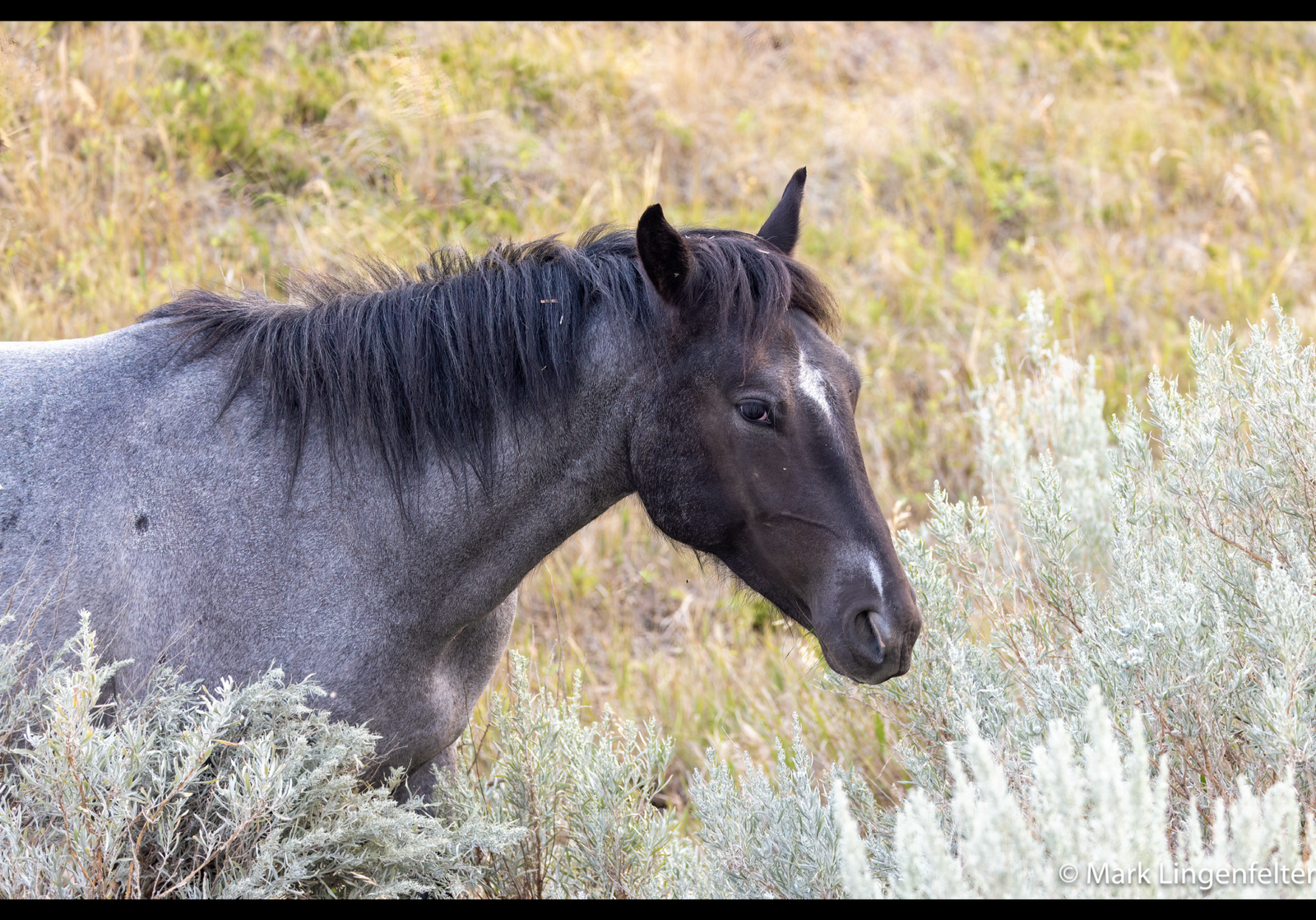
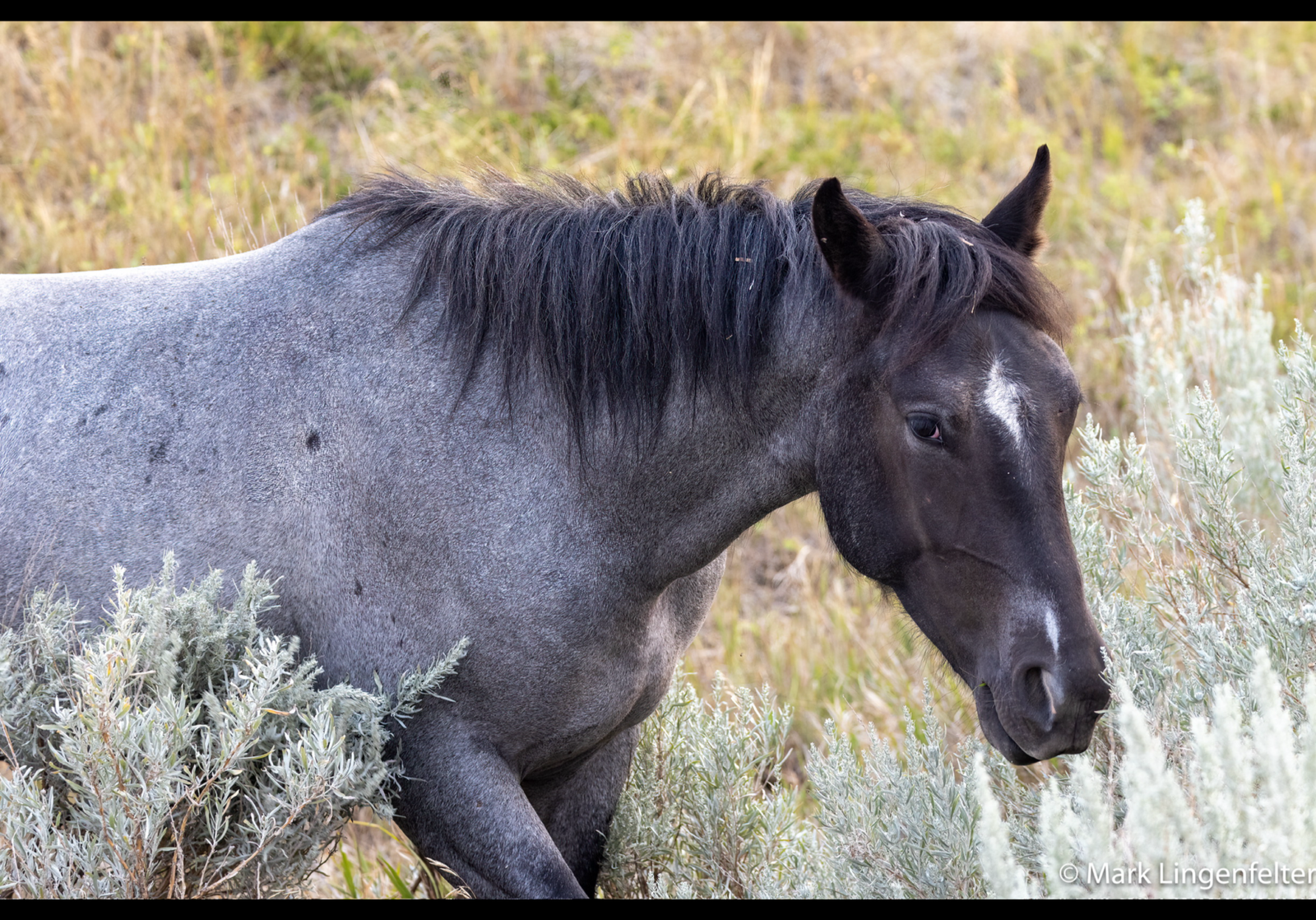
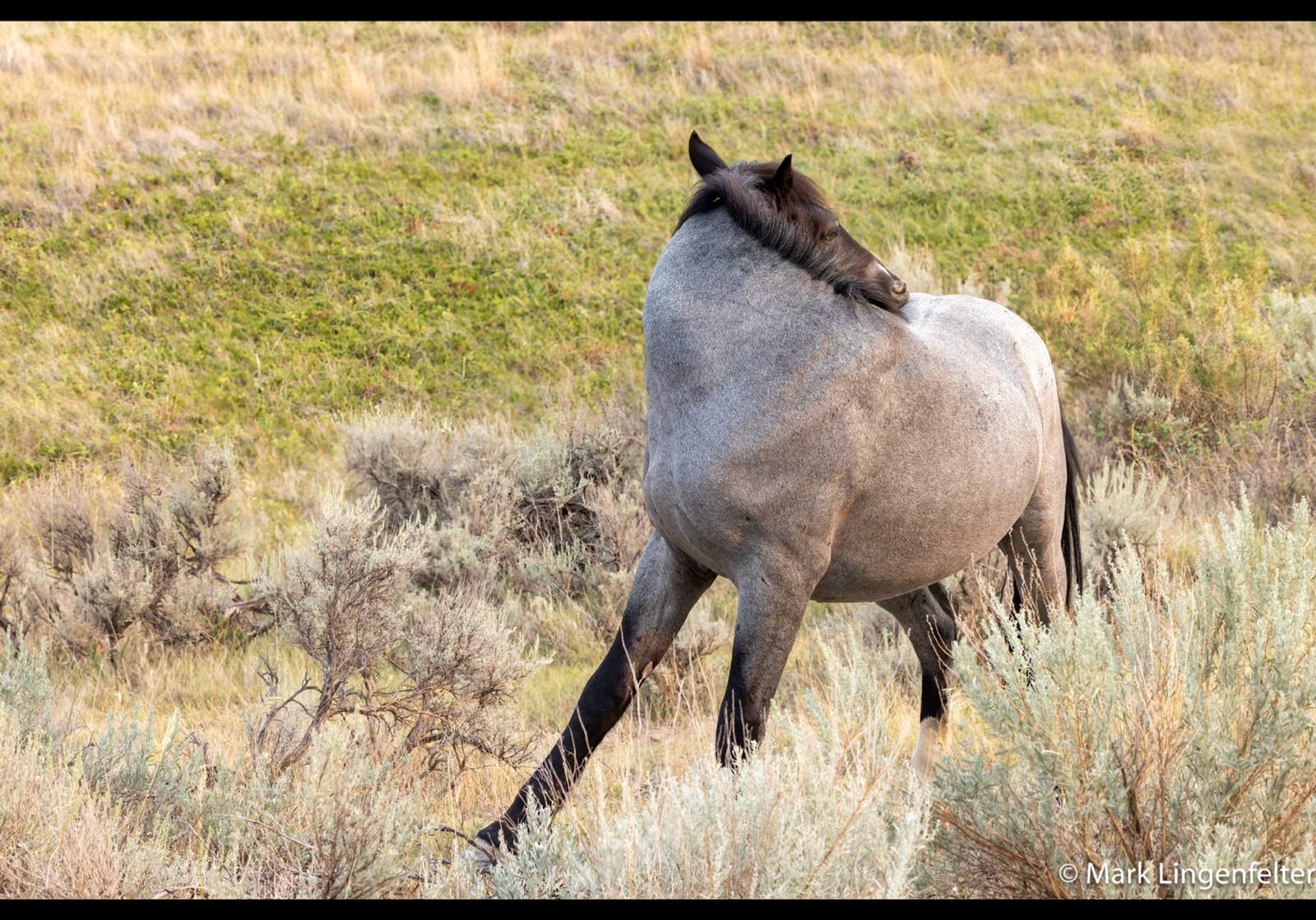
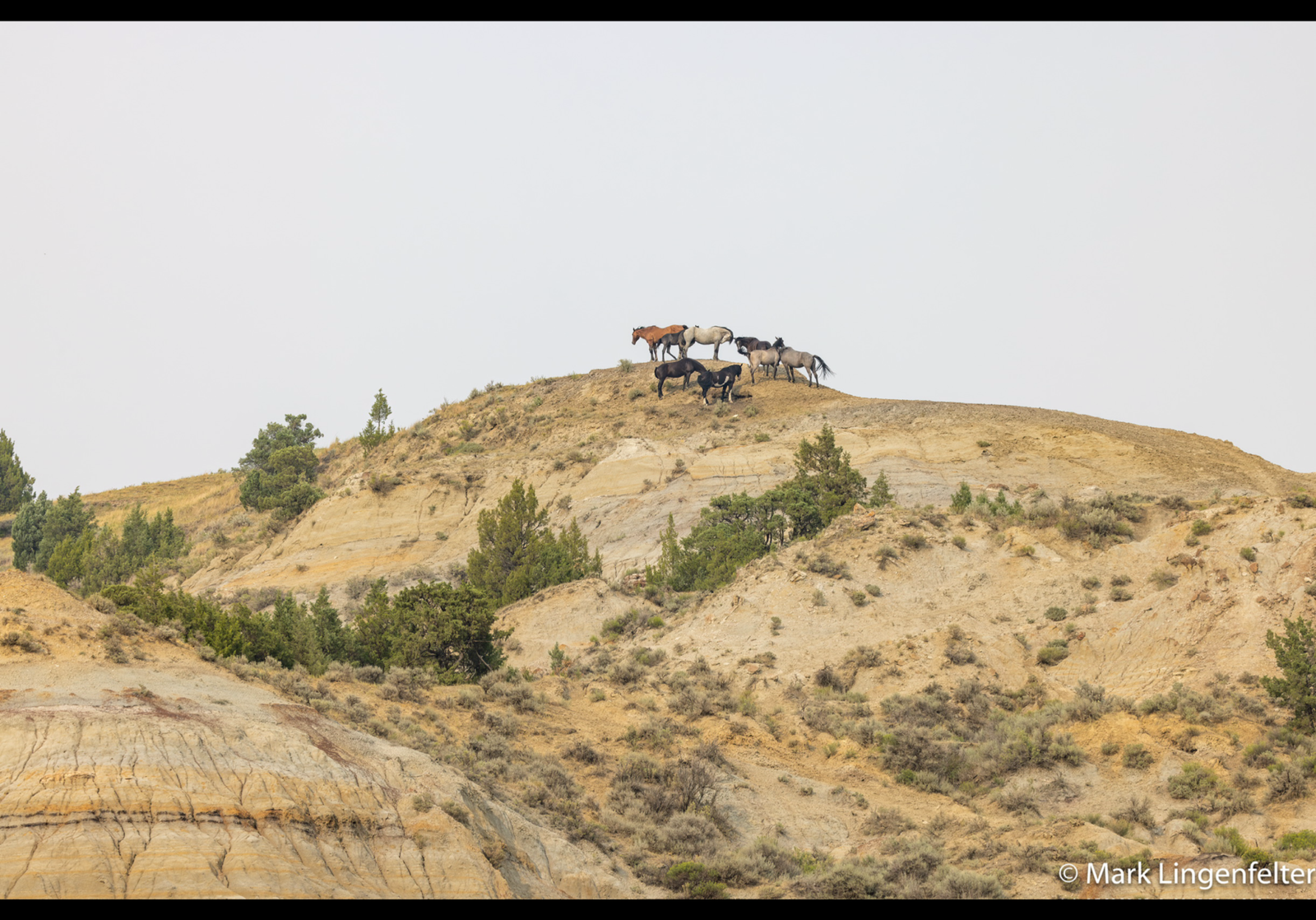
Wild Horses at the Theodore Roosevelt National Park

(from the Washington Post 1-5-2024 edited)

Wild horses were roaming the North Dakota Badlands long before Theodore Roosevelt National Memorial Park was established near Medora in 1947. About 200 wild horses remain, though that could soon change if the National Park Service gets its way. The park, now known as Theodore Roosevelt National Park, announced plans to thin or eliminate the herd of wild horses in 2022.

Theodore Roosevelt National Park is a tribute to Theodore Roosevelt, the “conservation president,” and his time in North Dakota. We know from his writings that wild horses were part of his experience in the Badlands. Some of the horses might be traced back to Sitting Bull’s war ponies from when he surrendered in 1881 at Fort Buford. The latest public comment period ended in November. Park Superintendent Angie Richman has said a decision on thinning or eliminating the herd will come by the end of 2024.

(Our photos taken on our visit in August of 2015.)

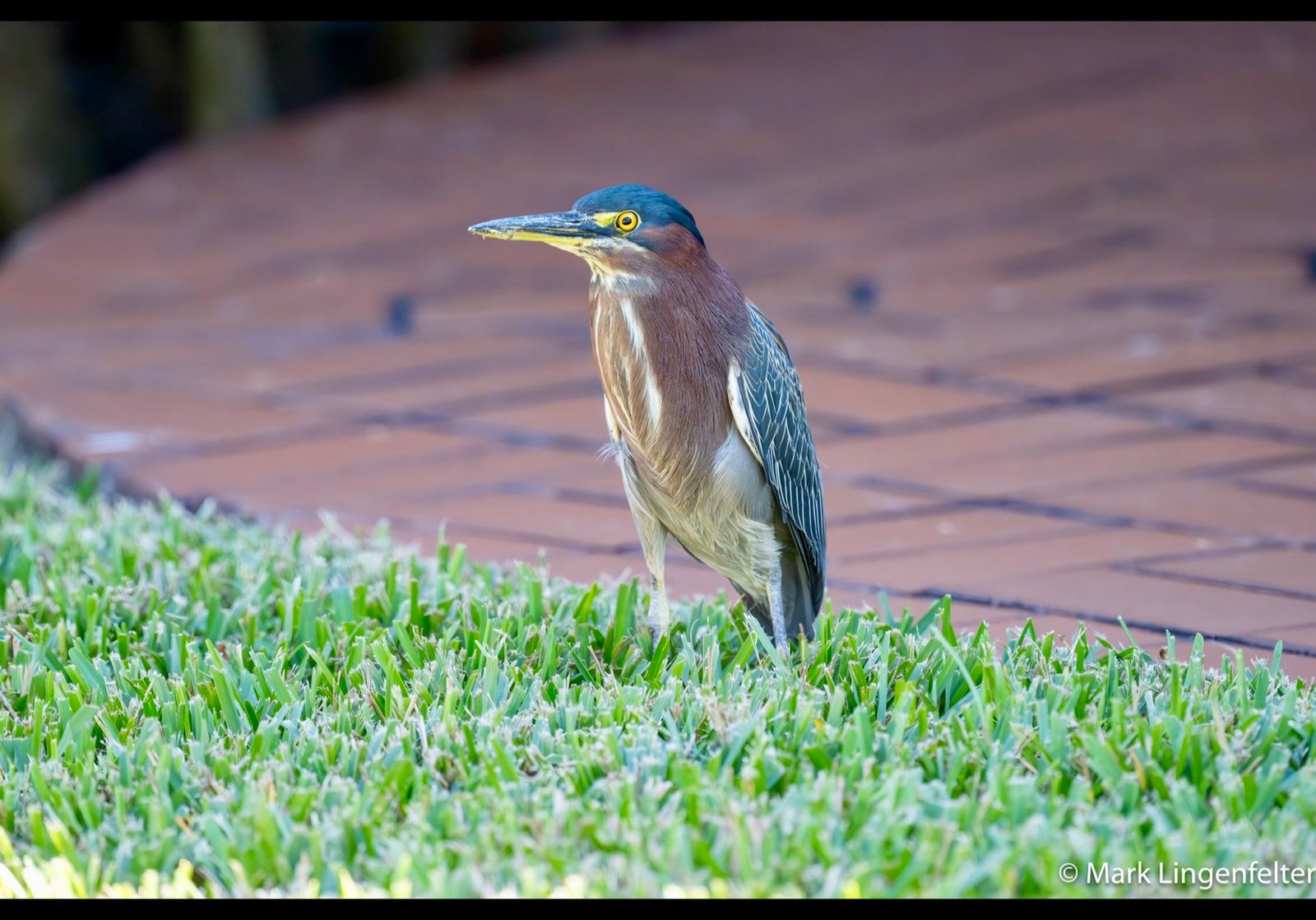
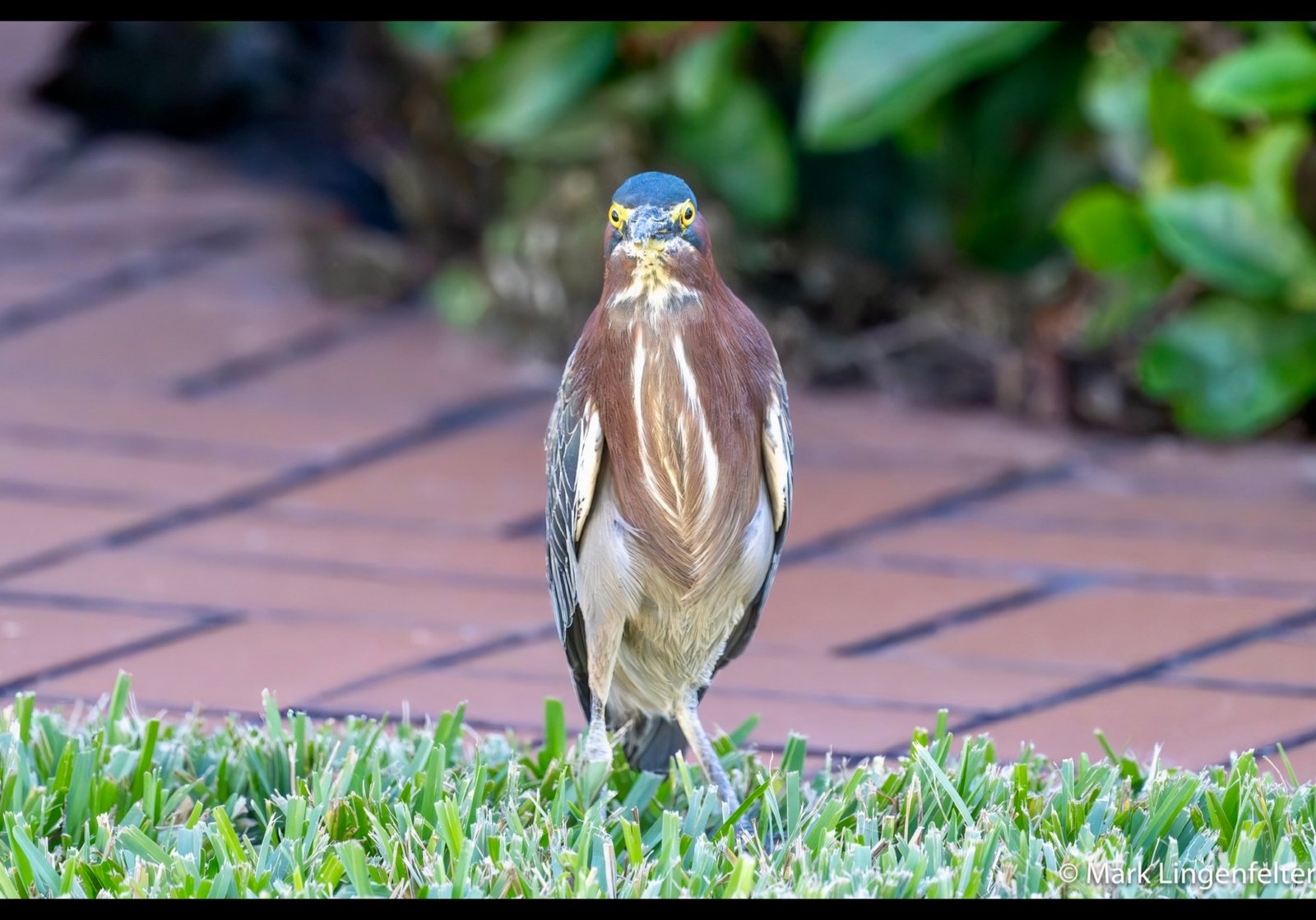
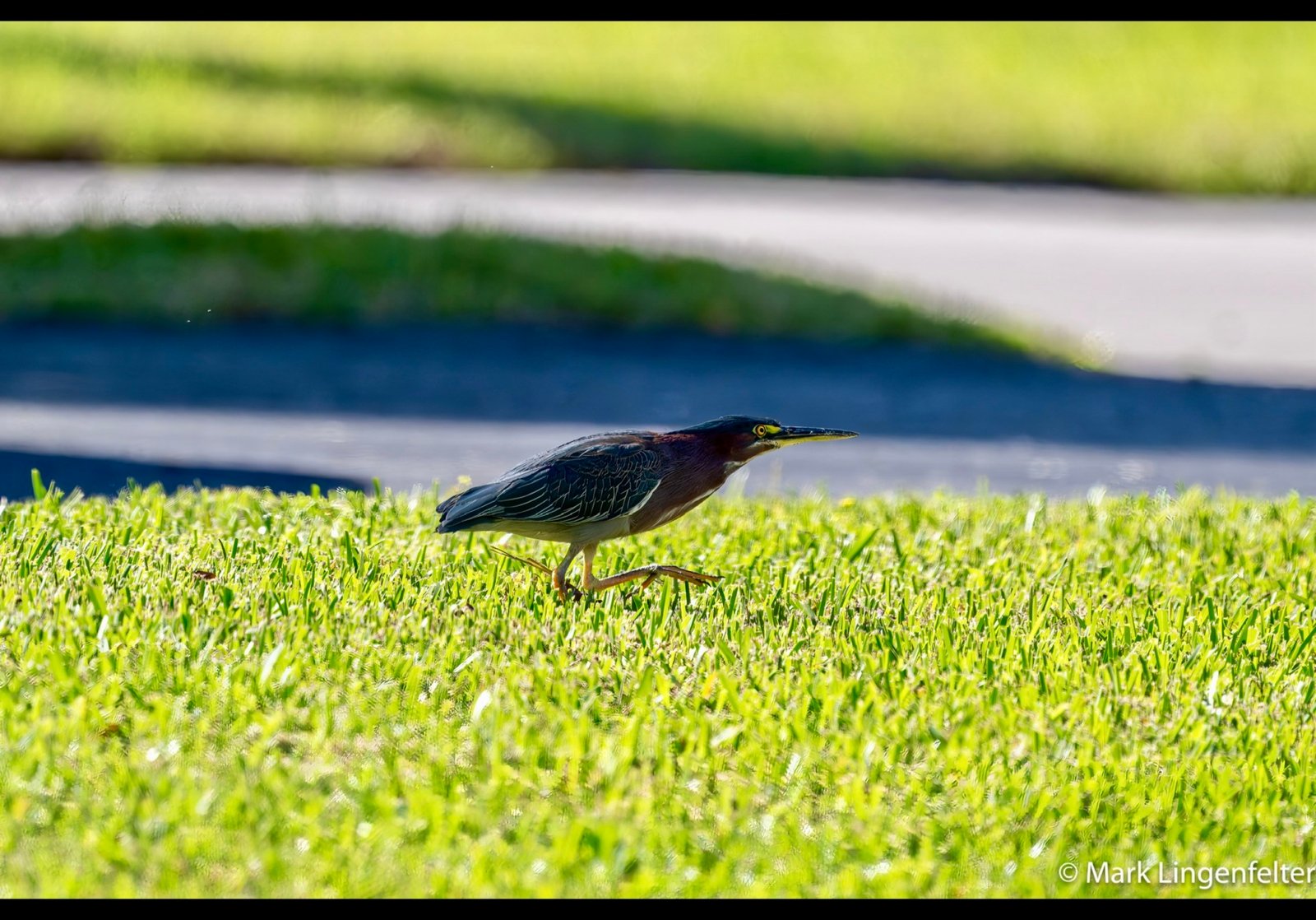
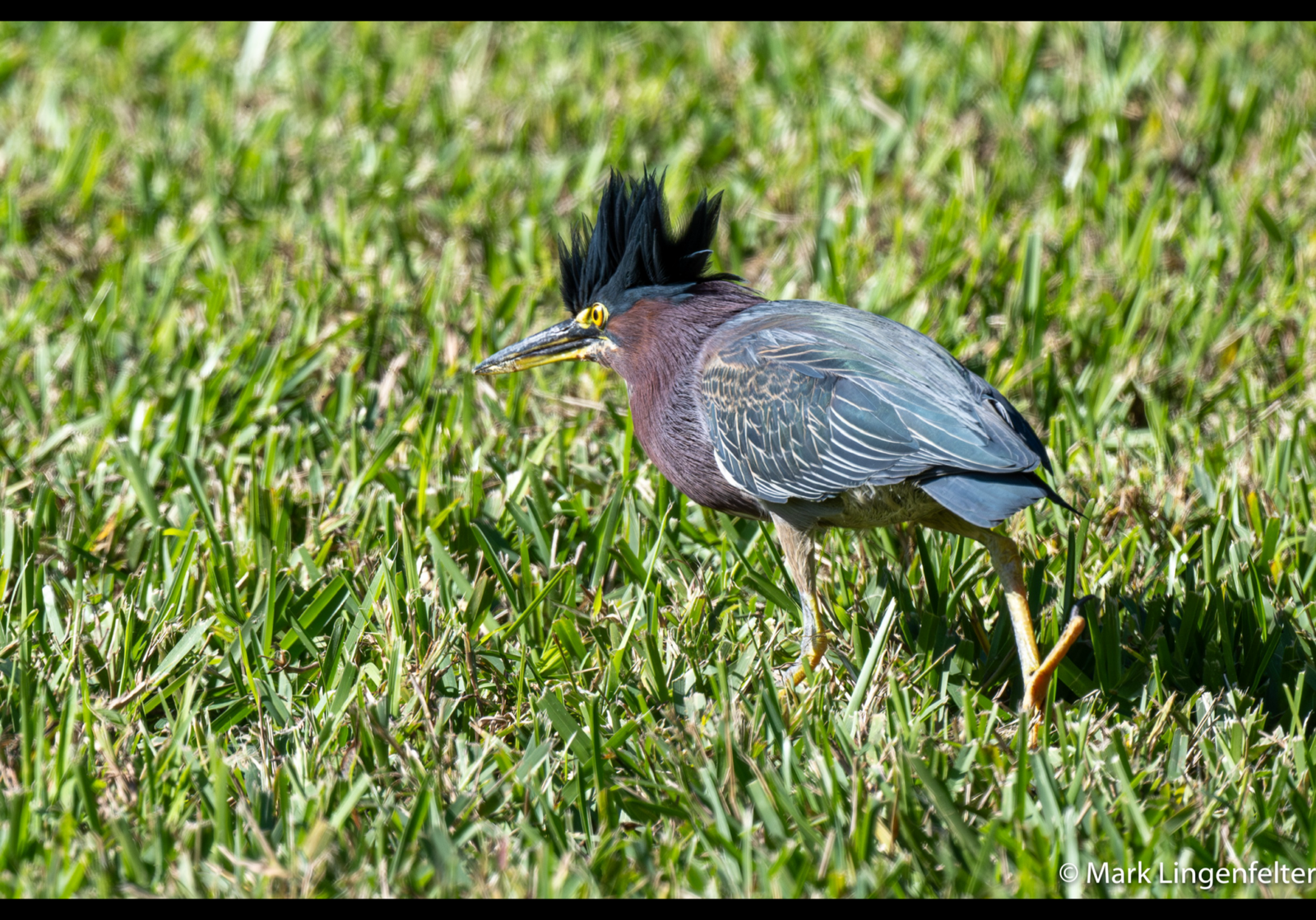
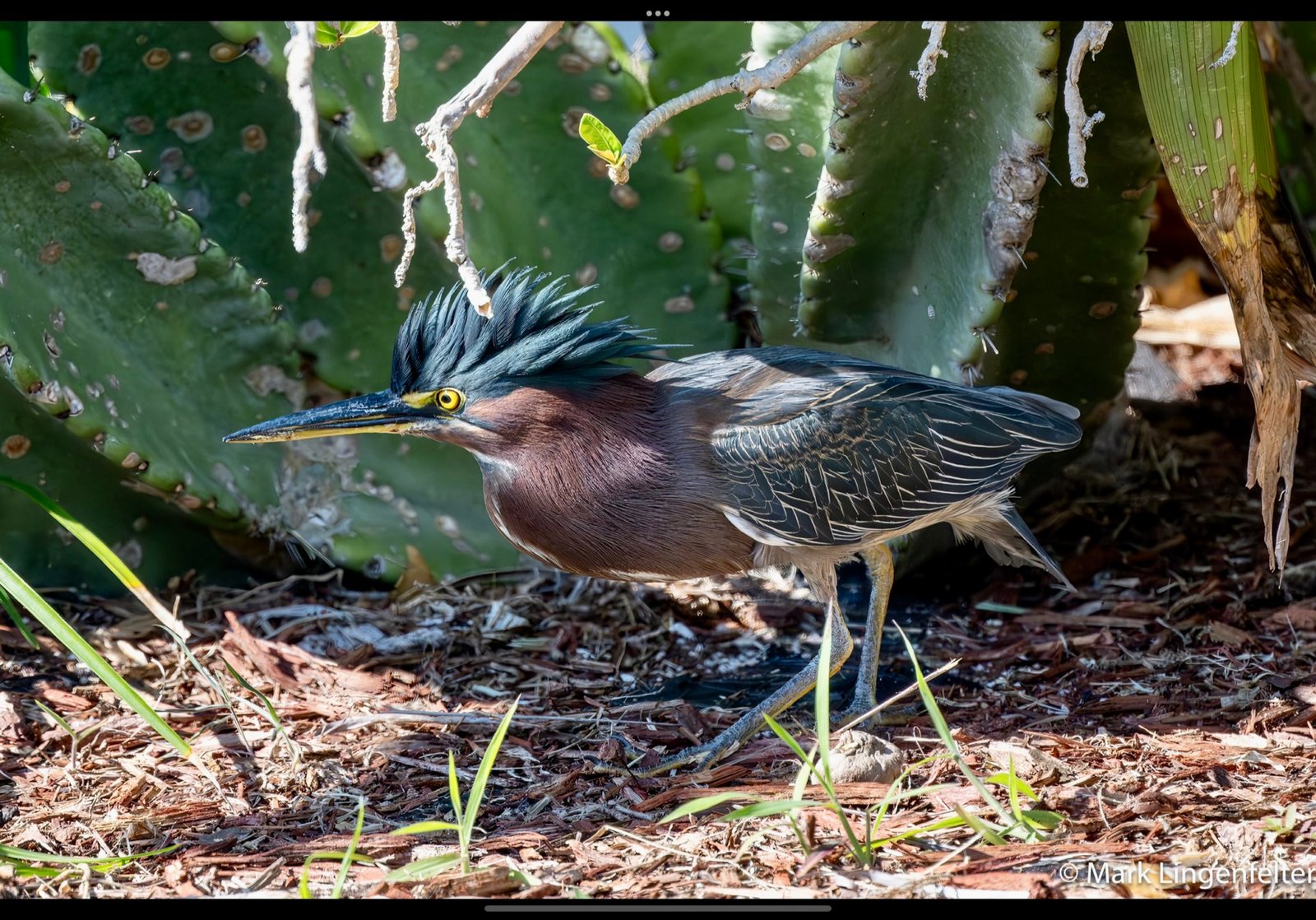
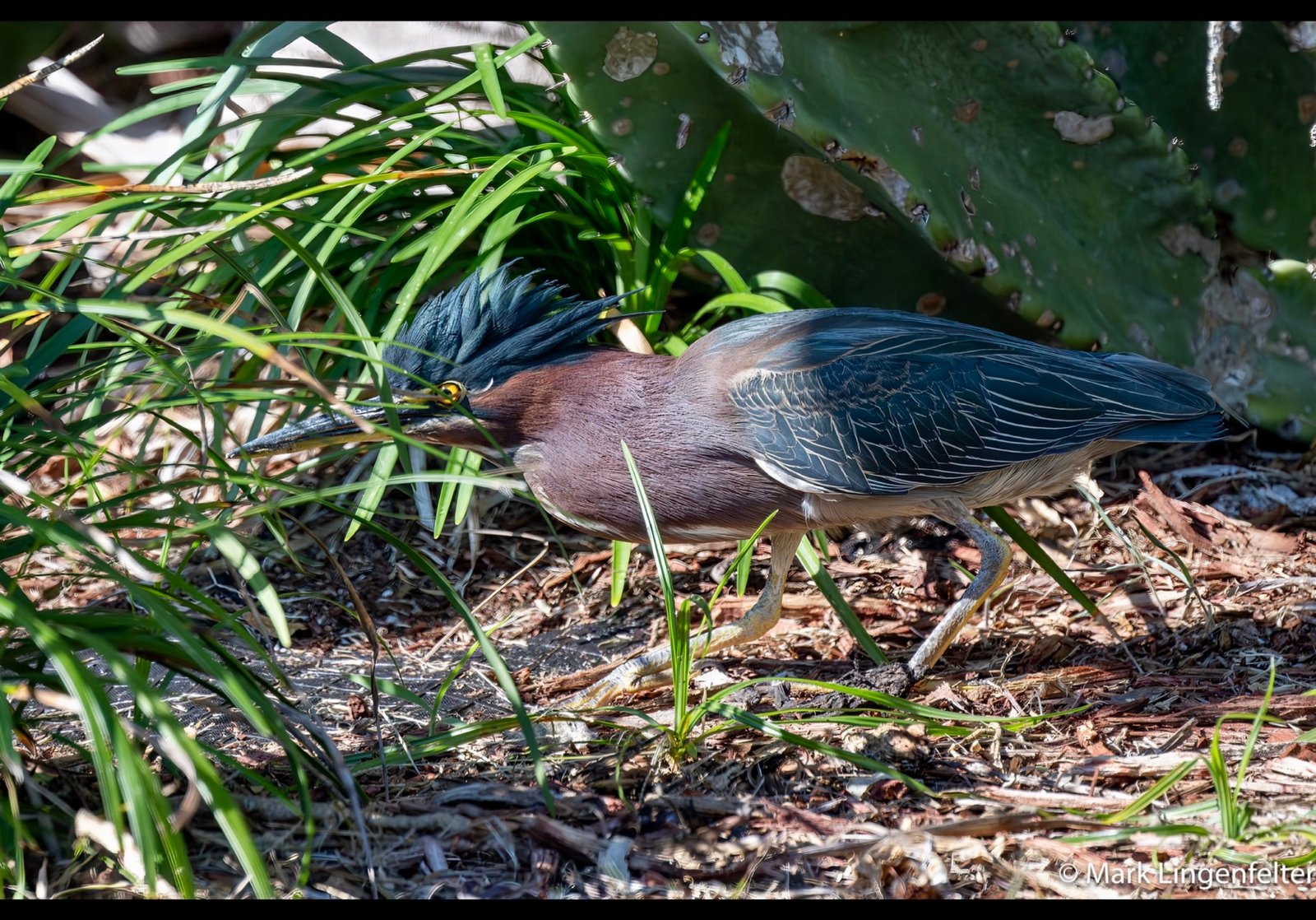
Green Heron on New Year Day

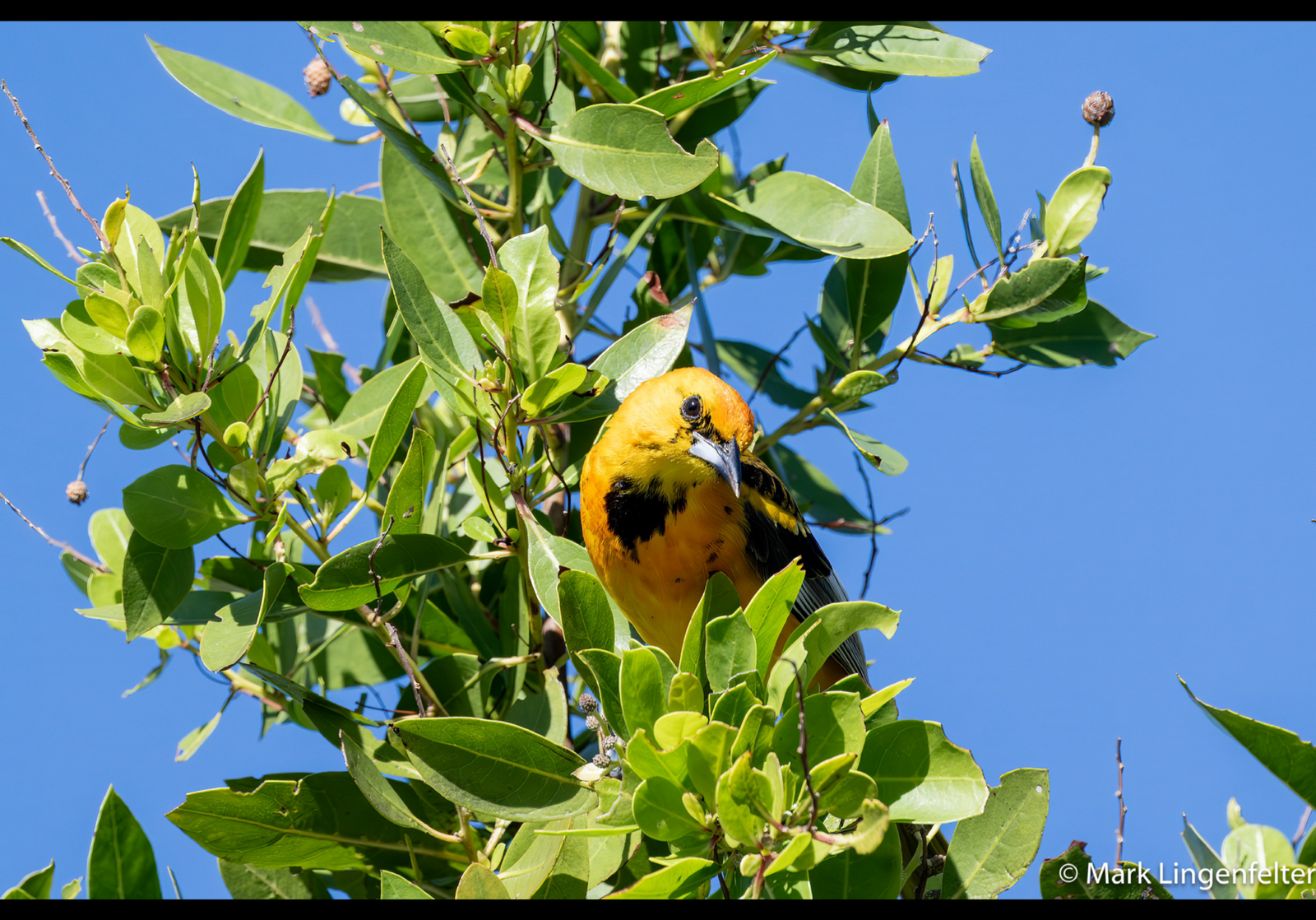
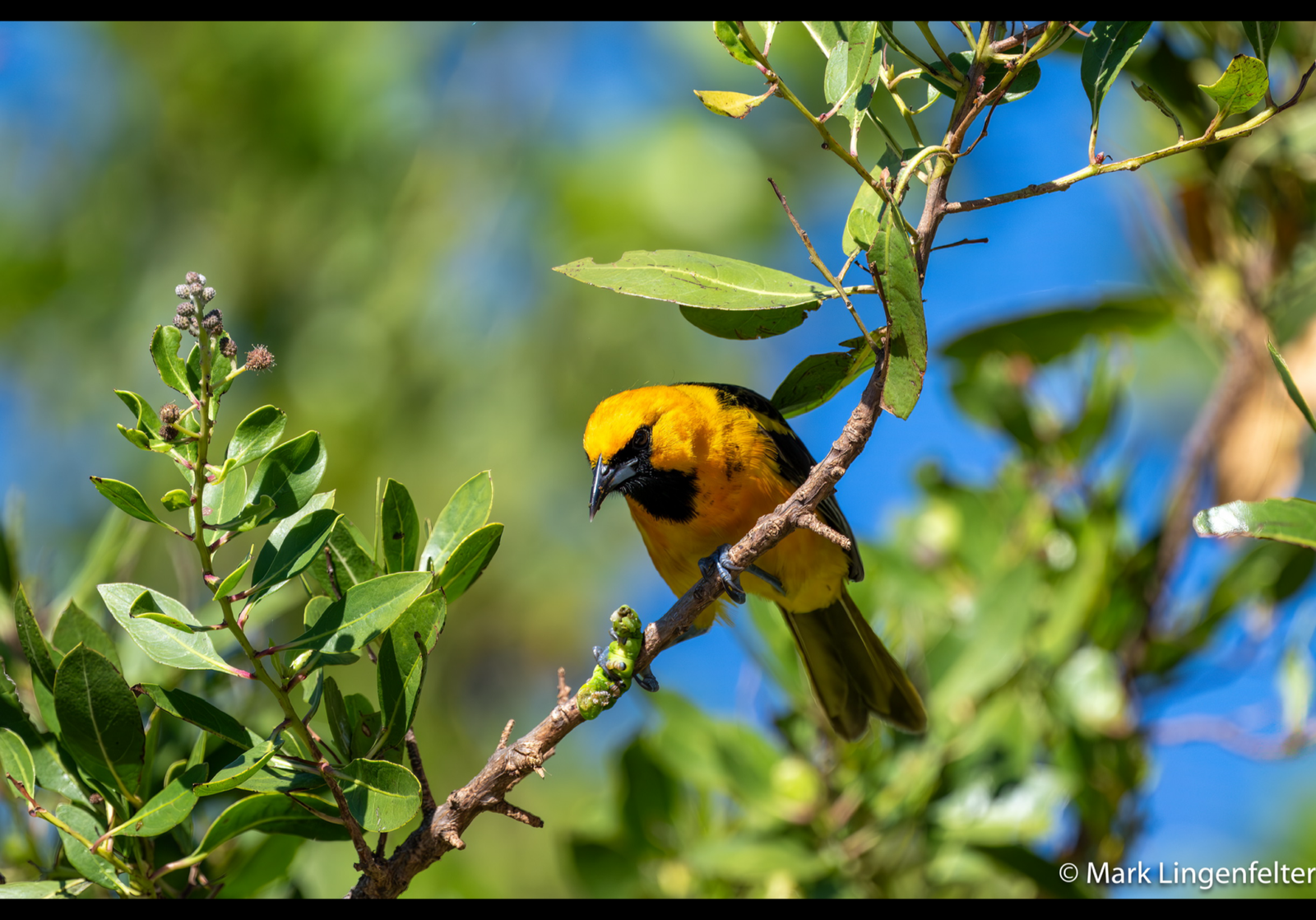
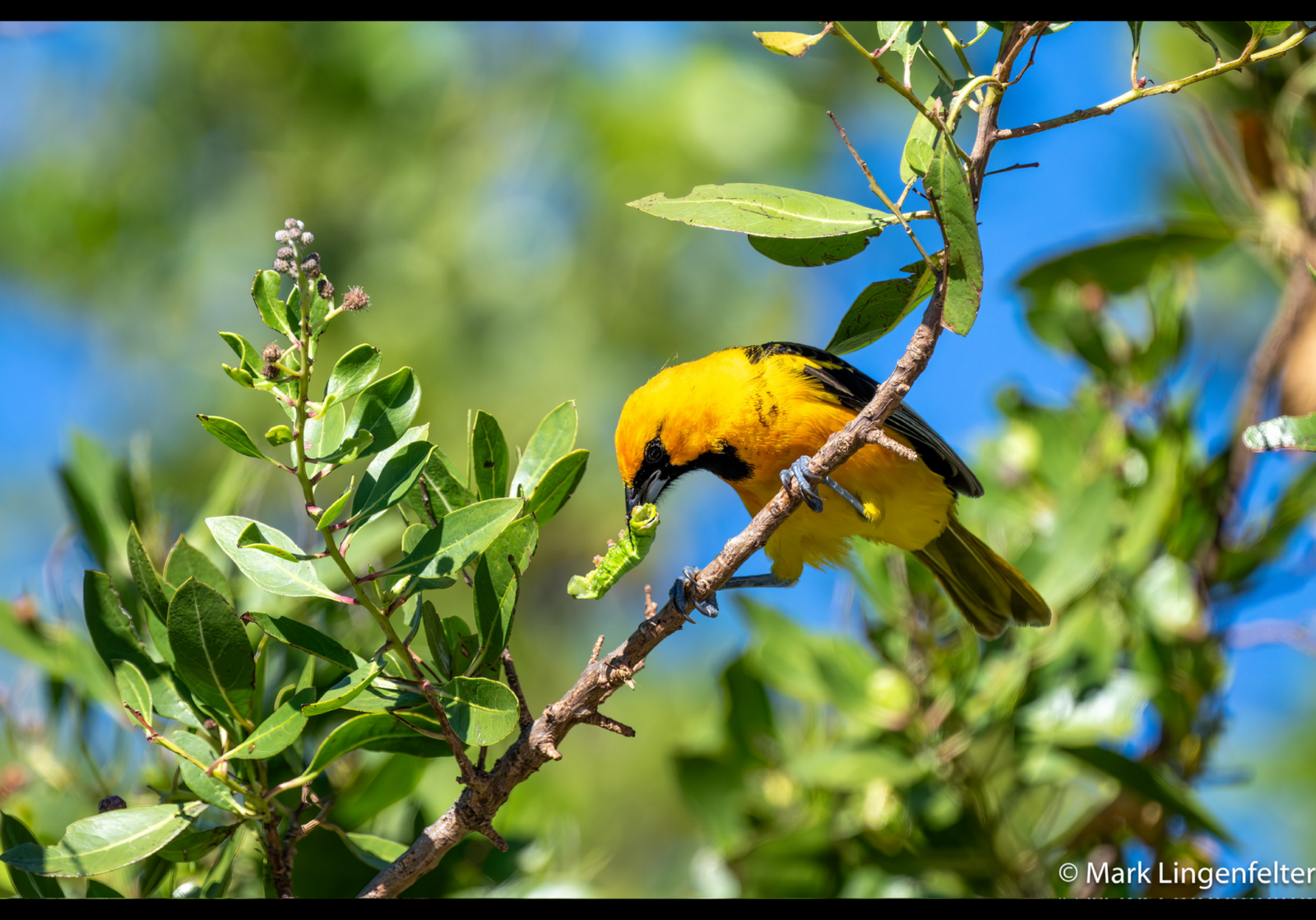
Spot-breasted Oriole Cleaning Our Trees

It is native to Costa RicaEl SalvadorGuatemalaHondurasMexico, and Nicaragua.

Its natural habitats are subtropical or tropical dry forests, subtropical or tropical moist lowland forests, and heavily degraded former forest.

The spot-breasted oriole ranges only on the Pacific side of Central America. An introduced breeding population also exists on the Atlantic coast of southern Florida. The population is considered to be established enough to be “countable” for birdwatchers by the ABA.

It is a mid-sized songbird and generally typical oriole. It is bright orange overall with a black bib and black spotting on the sides of the breast. The sexes are similar looking generally but females and juveniles are olive-green on the back and tail, dusky wings, and little or no black on face, throat, or breast. (From Wikipedia.)

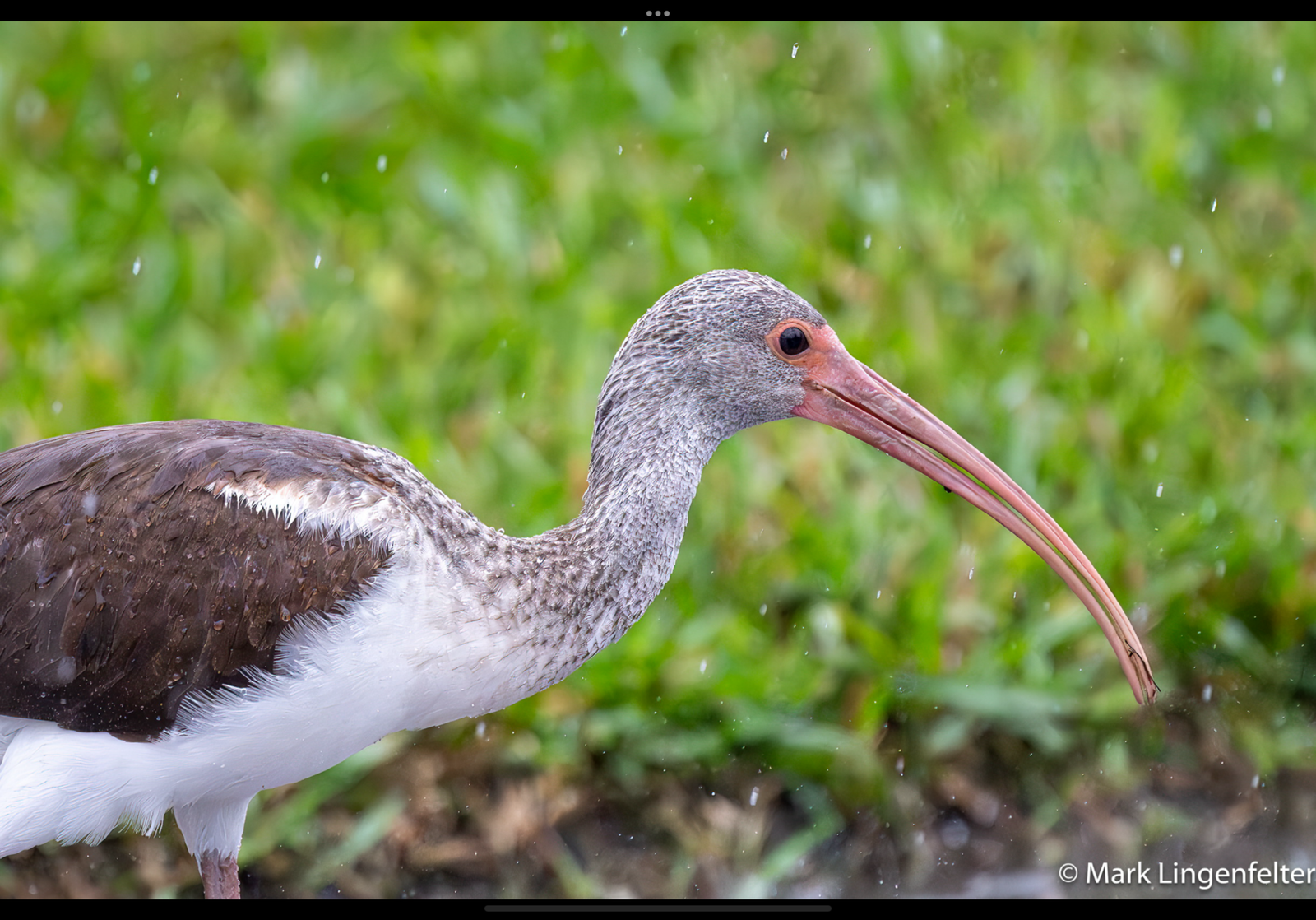
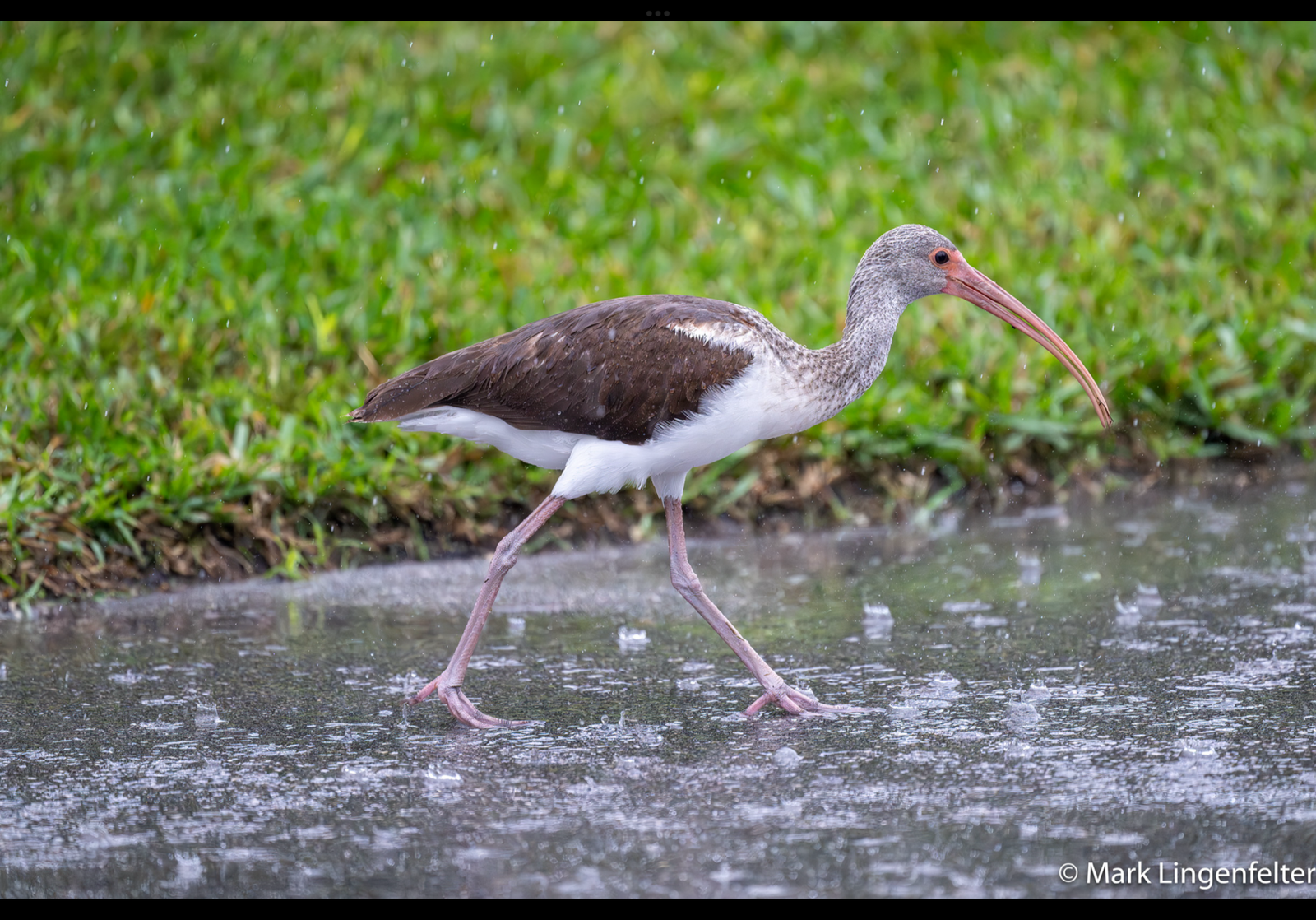
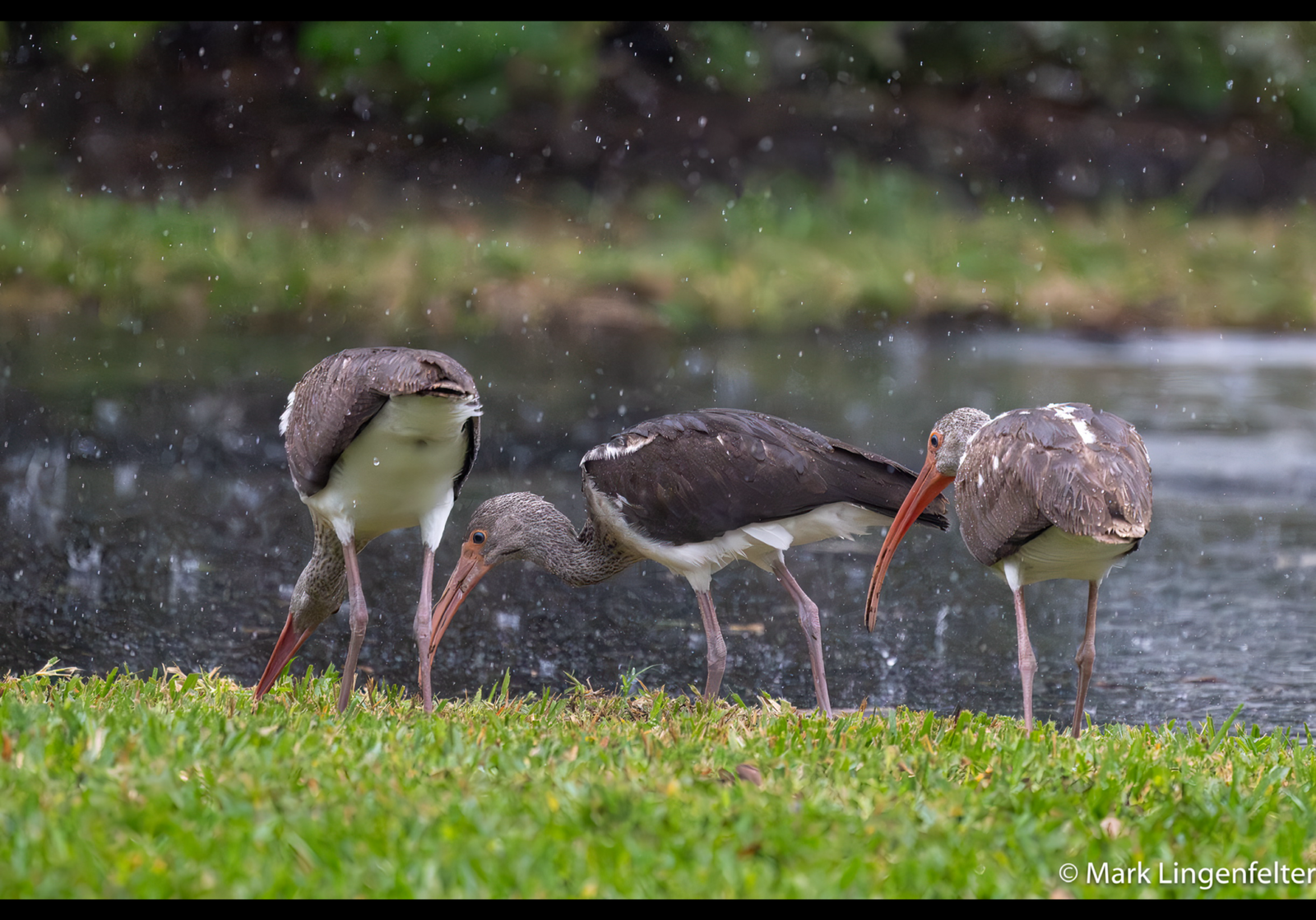
White Ibis Juveniles in the Palm Club in Southern Florida.

White Ibis: This coastal species is white overall with pink facial skin, bill, and legs that turn scarlet during breeding season. Black tips on the primary feathers are only seen in flight. Flies in straight line formation with neck and legs outstretched, roosts high in trees and bushes at night. Sexes are similar and juvenile has brown upperparts with white underparts and rump.

Eats mainly aquatic crustaceans and insects. Forages by probing in shallow water with their long, decurved bills.

Nesting: Two to four pale blue to green-white eggs with brown blotches laid in a nest made of sticks and reeds by the female with materials gathered by the male. Usually in a tree over water. Monogamous and usually nests in colonies with other wading birds.

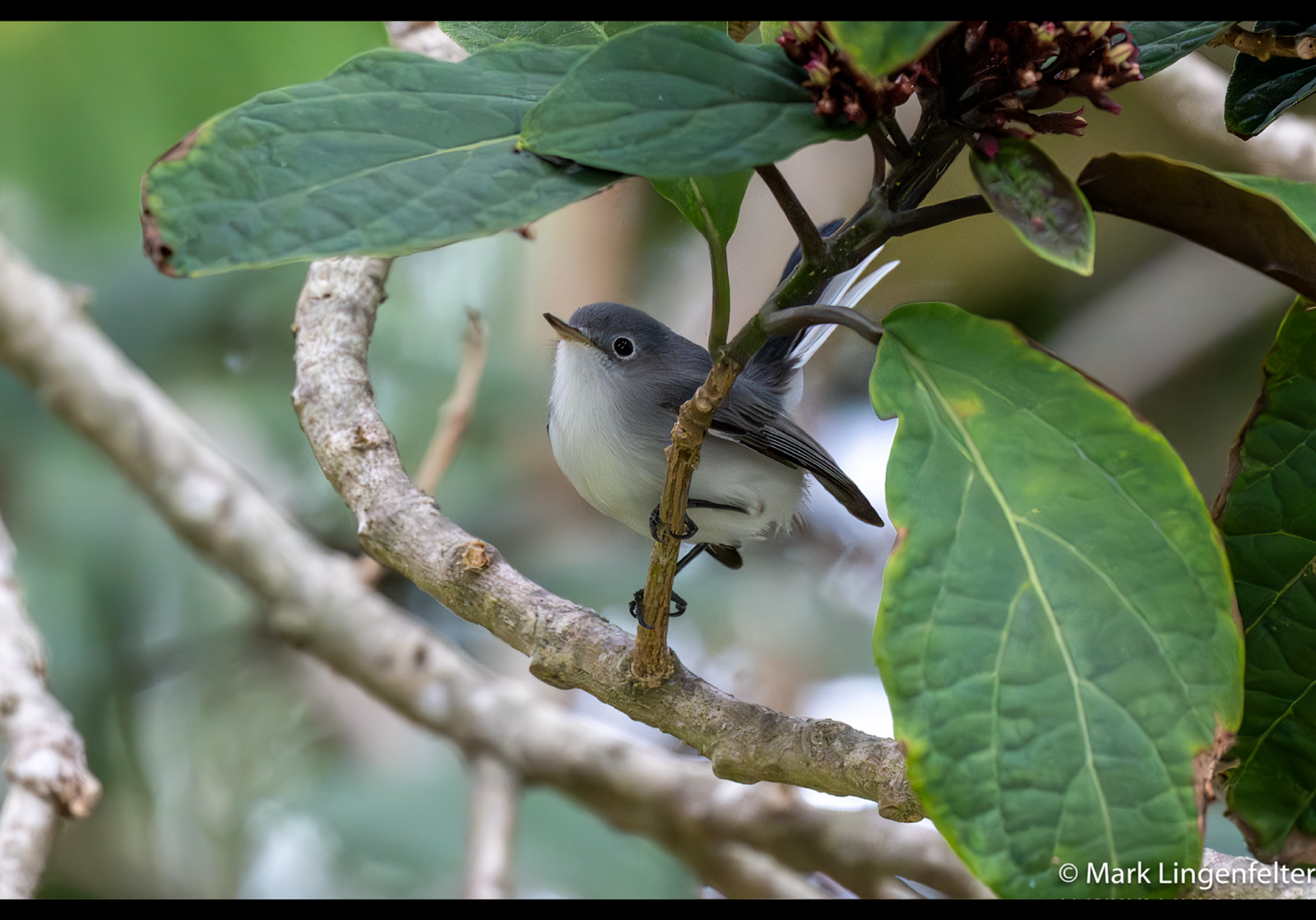
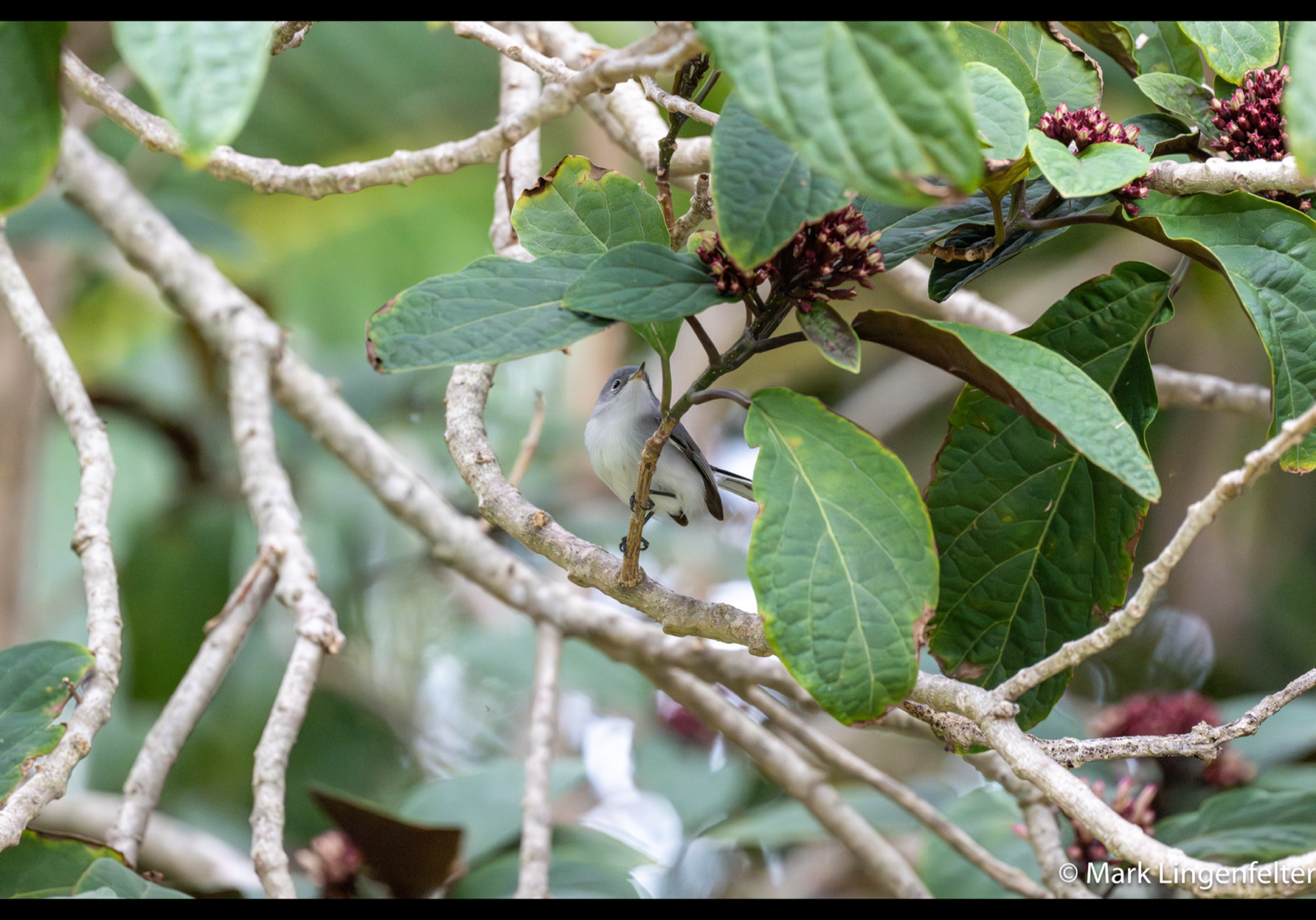
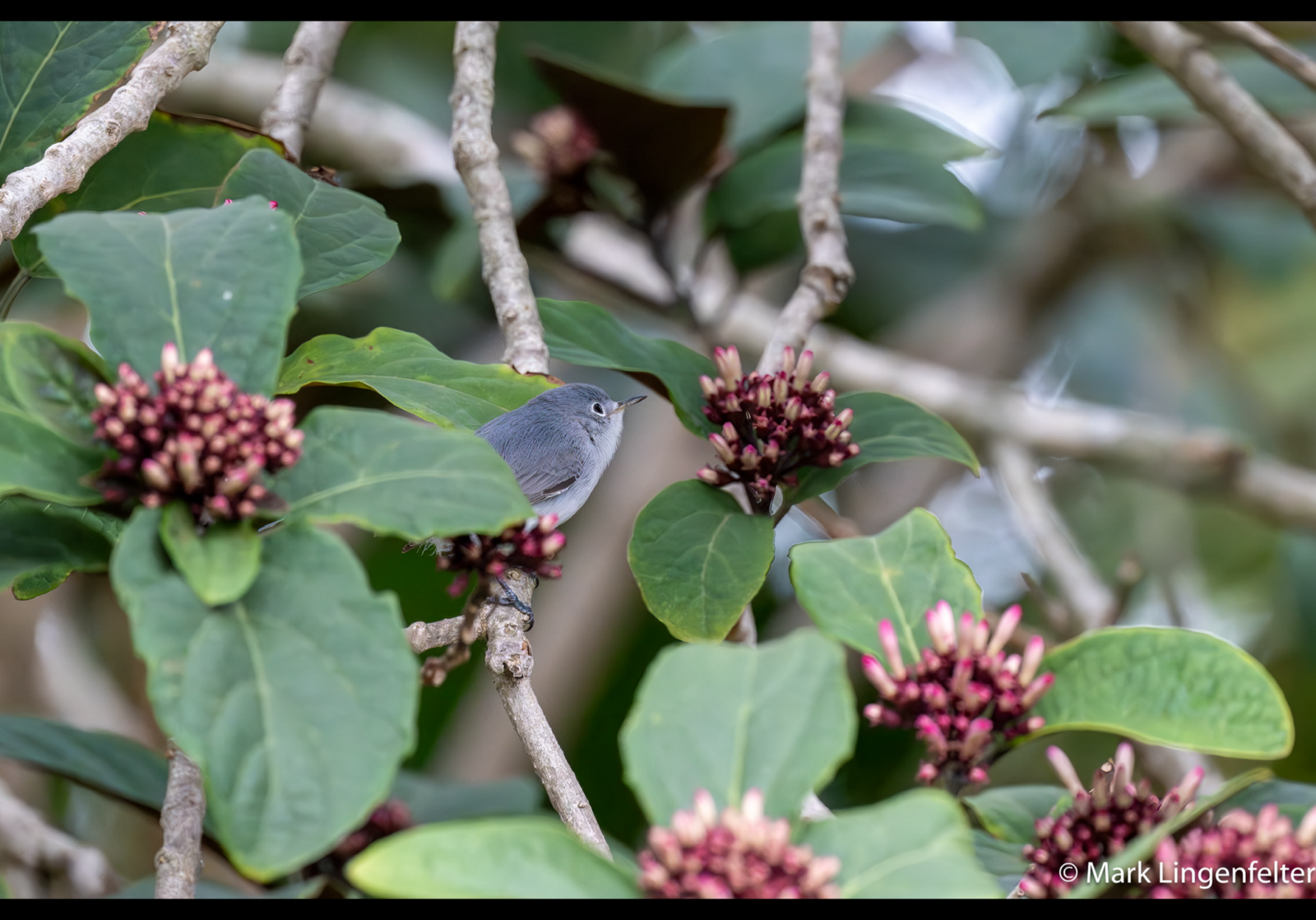
Blue-gray gnatcatcher in Florida

The blue-gray gnatcatcher(Polioptila caerulea) is a very small songbird native to North America. It is 10–13 cm (3.9–5.1 in) in length, 6.3 in (16 cm) in wingspan,[2]and weighing only 5–7 g (0.18–0.25 oz).[3][4] Adult males are blue-gray on the upperparts with white underparts, slender dark bill, and a long black tail edged in white. Females are less blue, while juveniles are greenish-gray. Both sexes have a white eye ring.  (From Wikipedia).
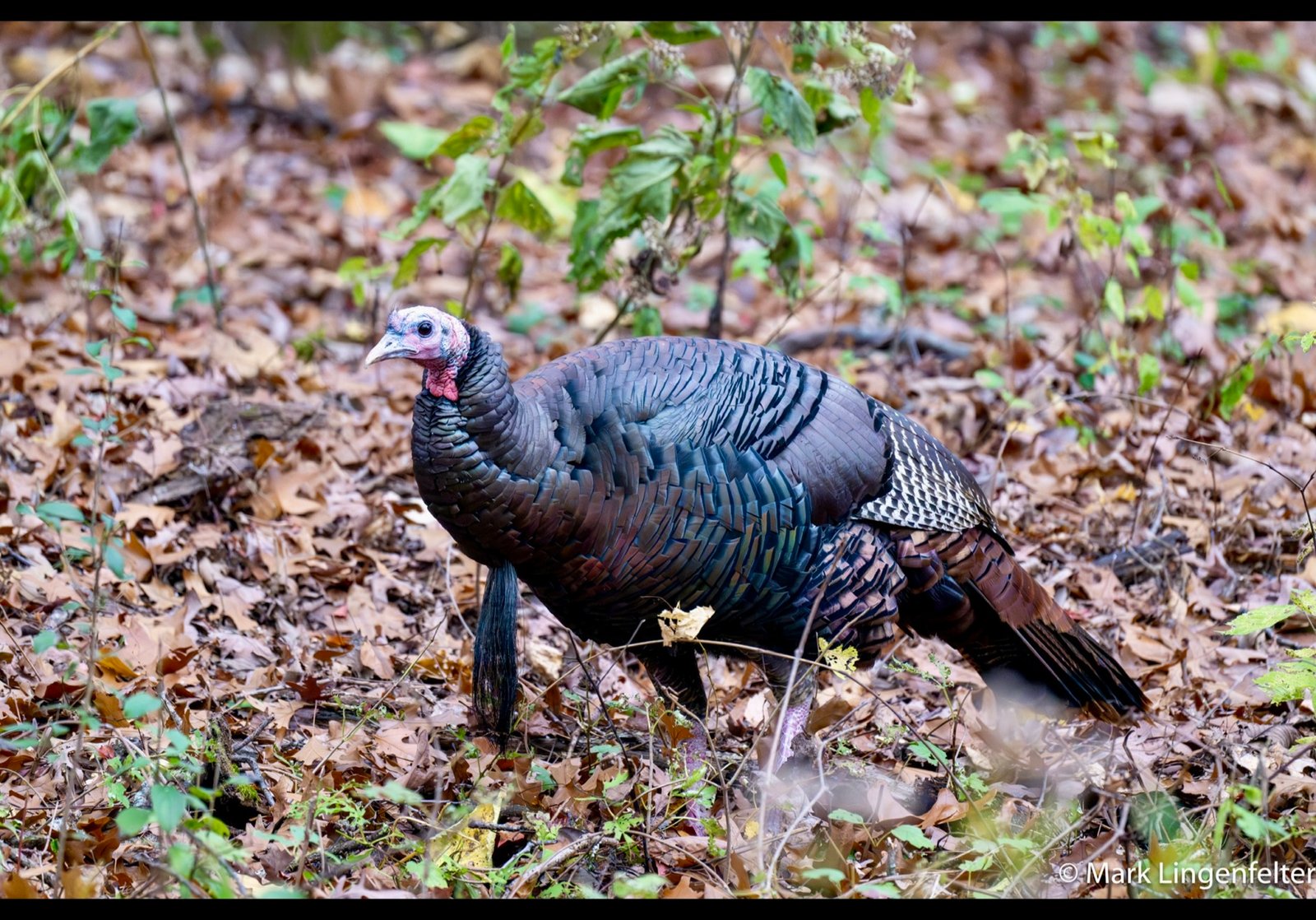
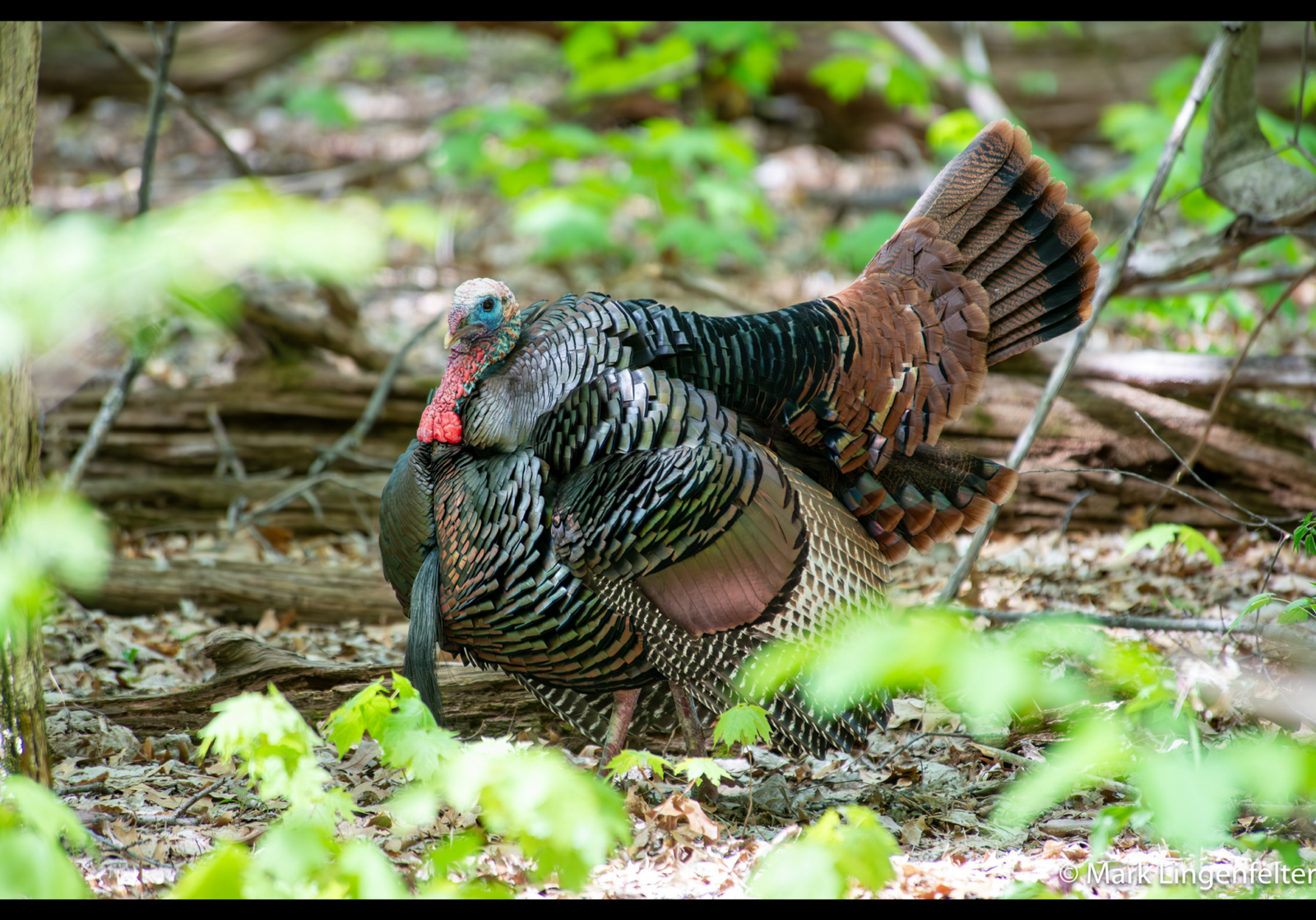
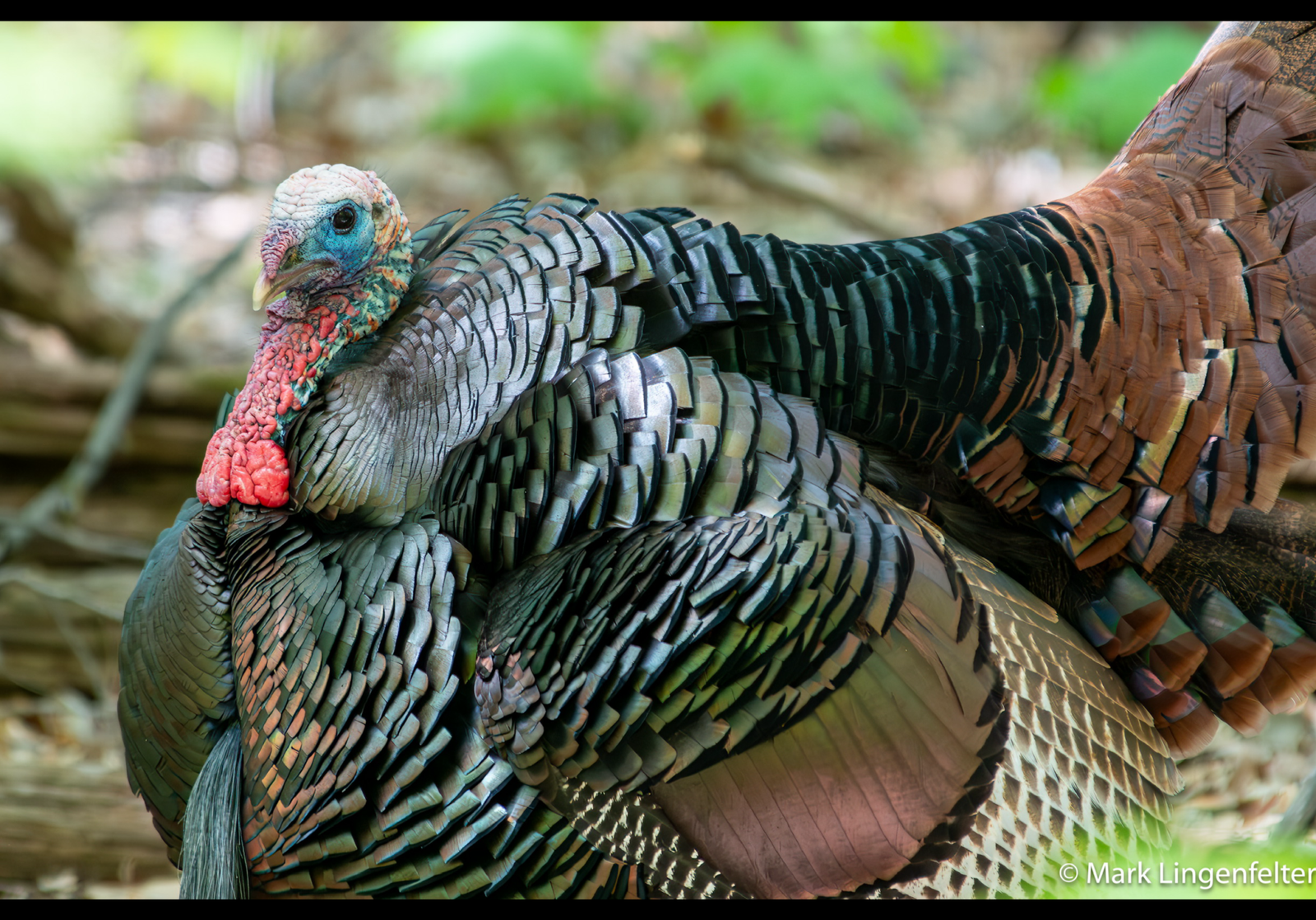
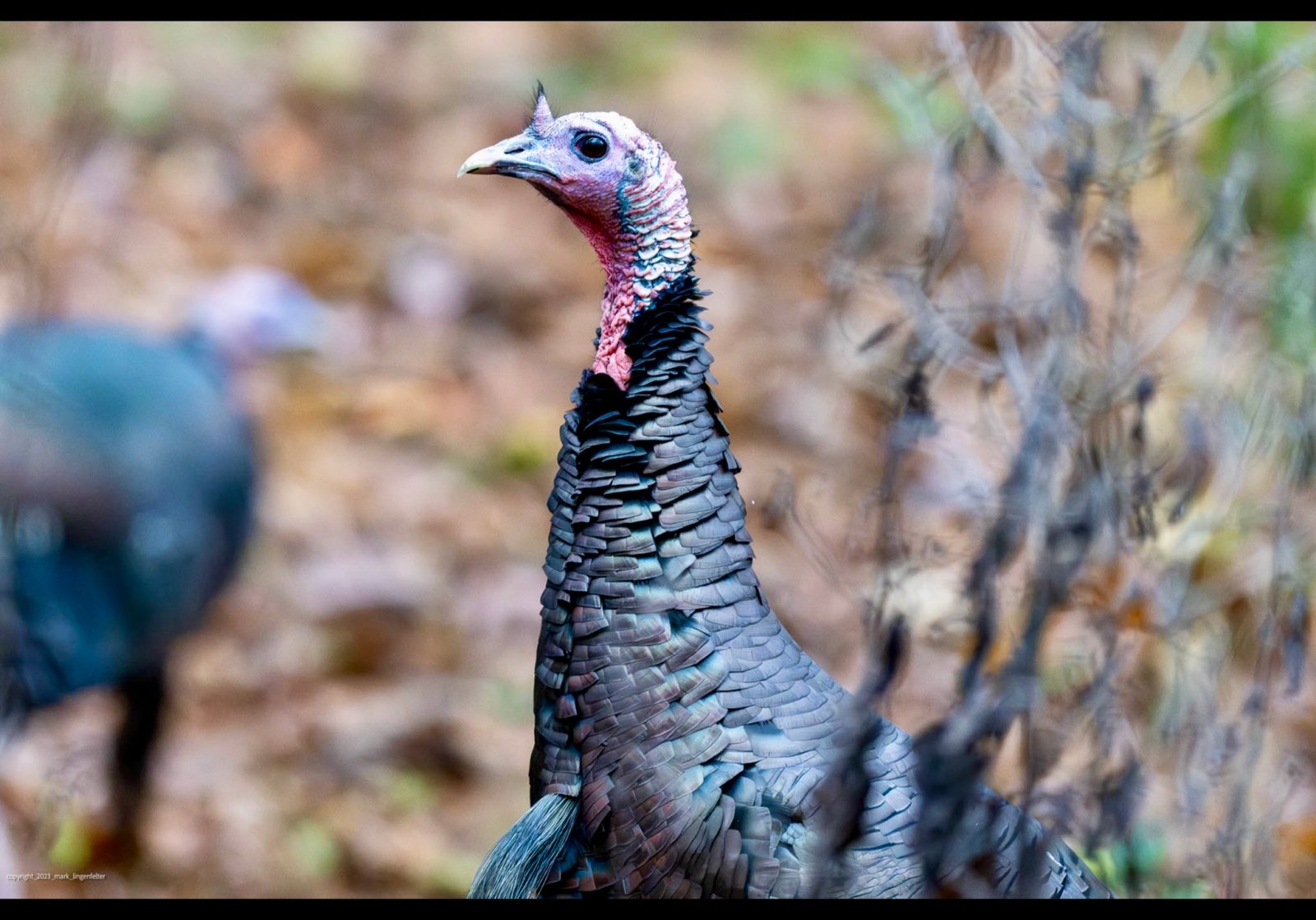
Wild Turkeys at the Arboretum at University of Wisconsin in Madison.

Positive relationships with other wild species.

Turkey are known to occasionally forage with deer and squirrels, and may even play with them.  By foraging together, each can help the other watch for predators with their different senses: the deer with their improved olfactory sense, the turkey with its superior sight, and squirrels providing an additional set of eyes from the air.

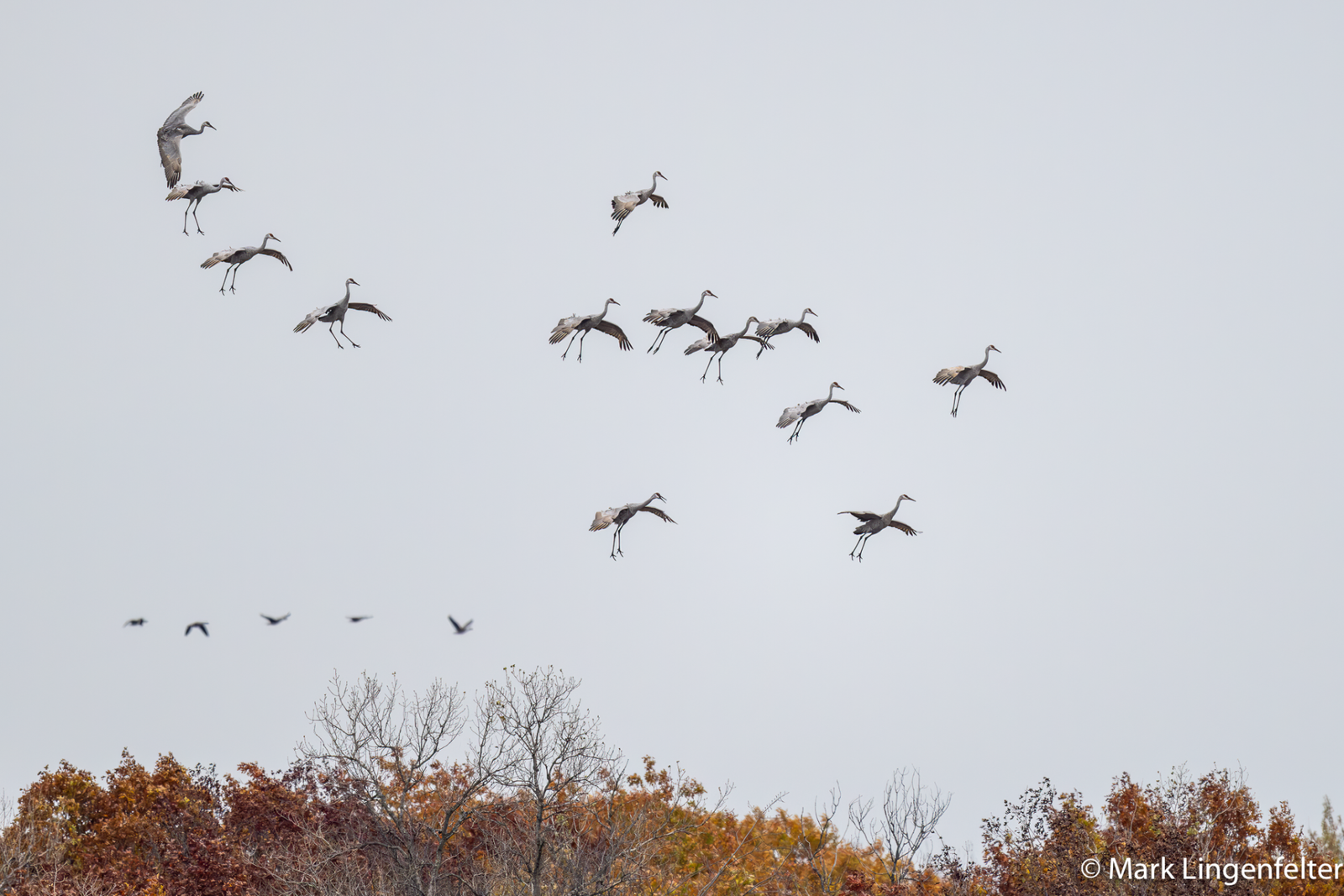
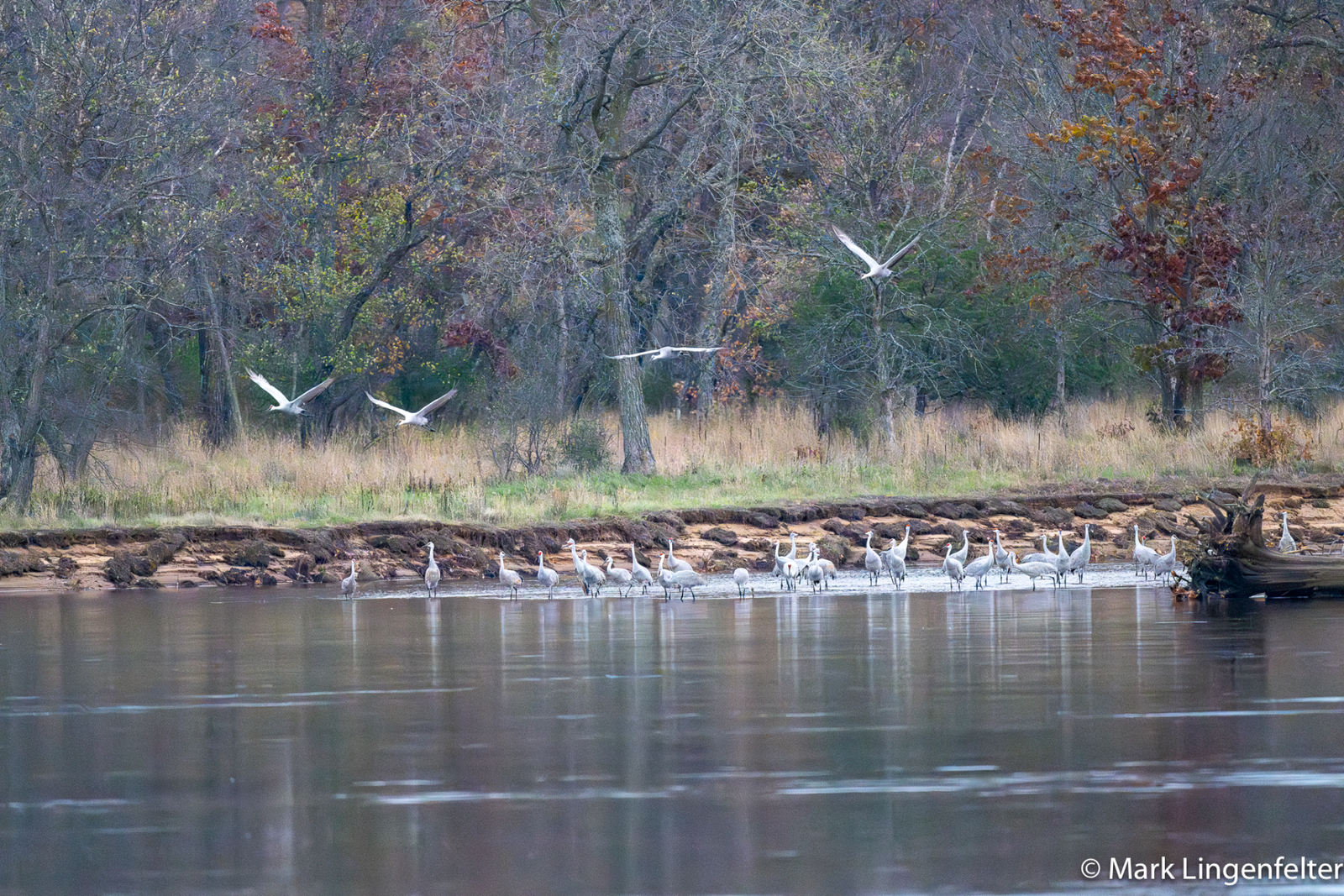
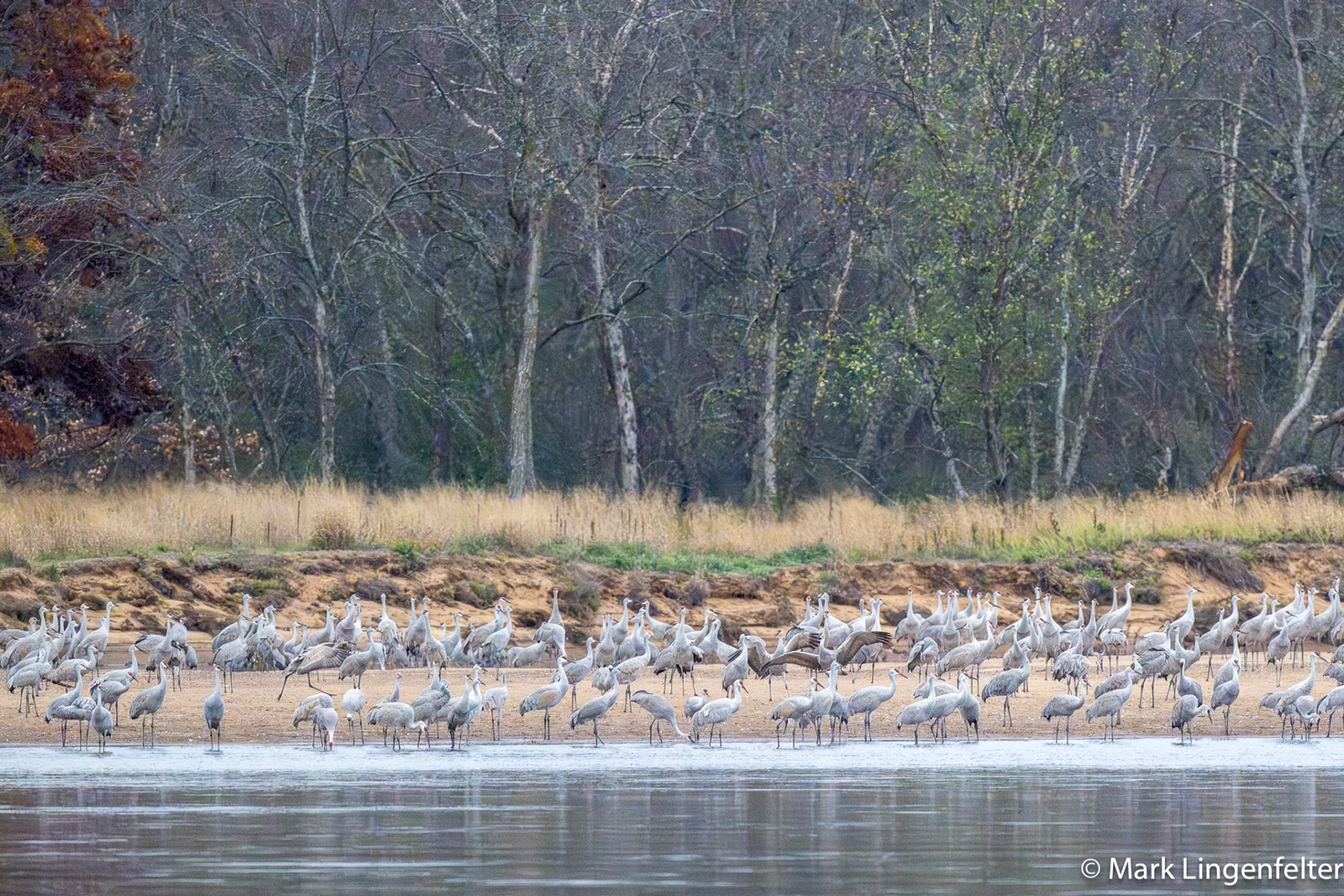
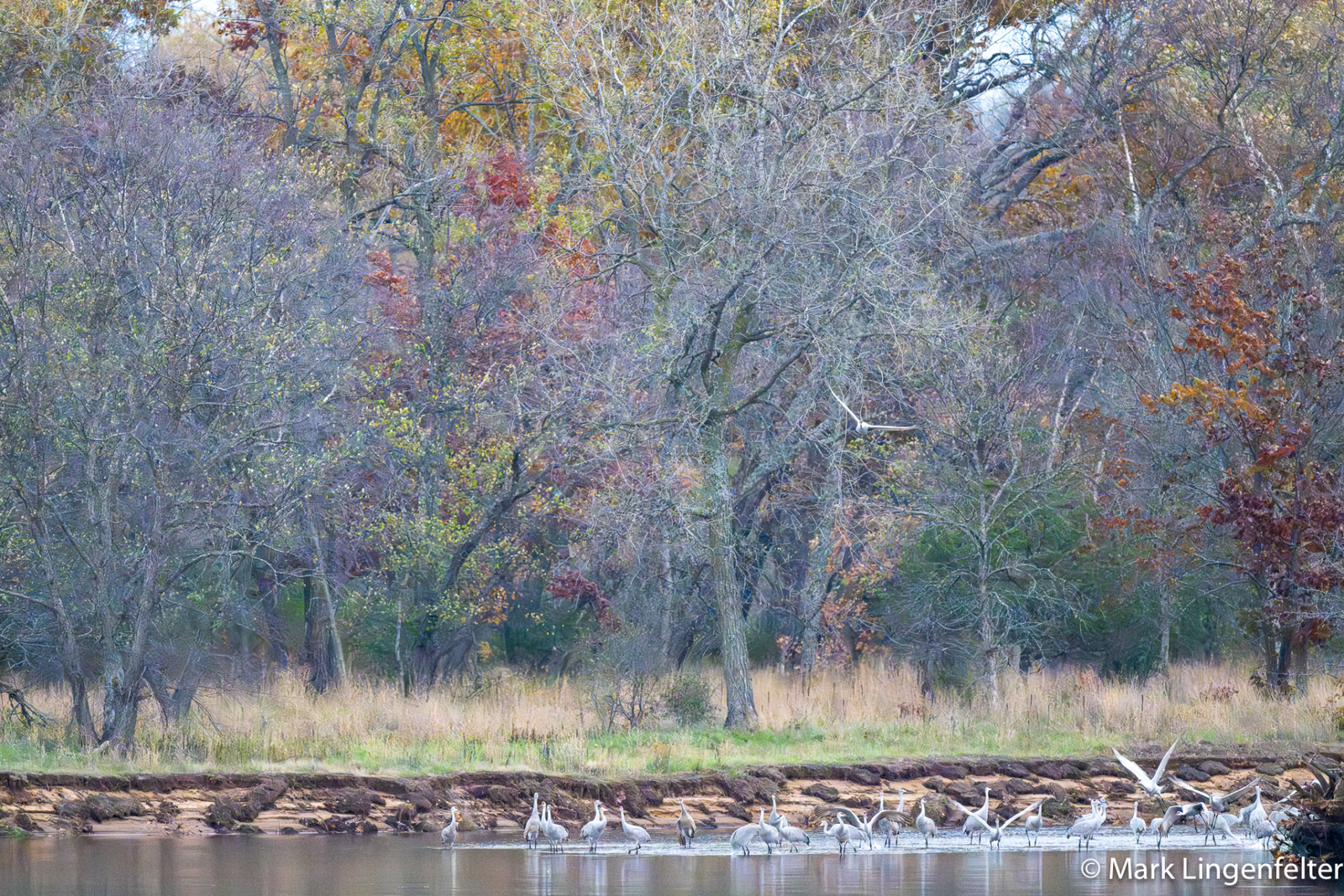
Sandhill Cranes in Wisconsin at the Aldo Leopold Visitor Center

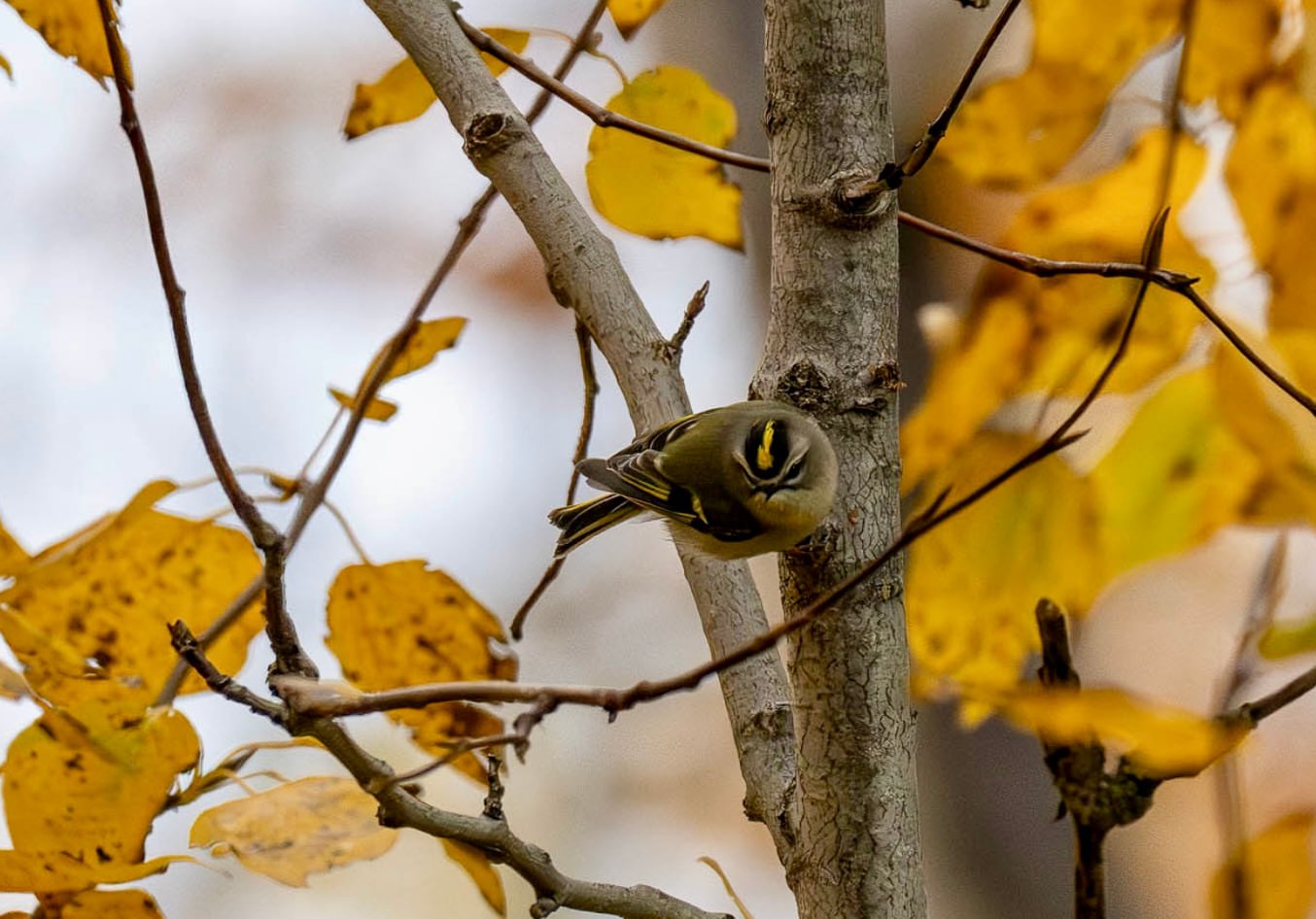
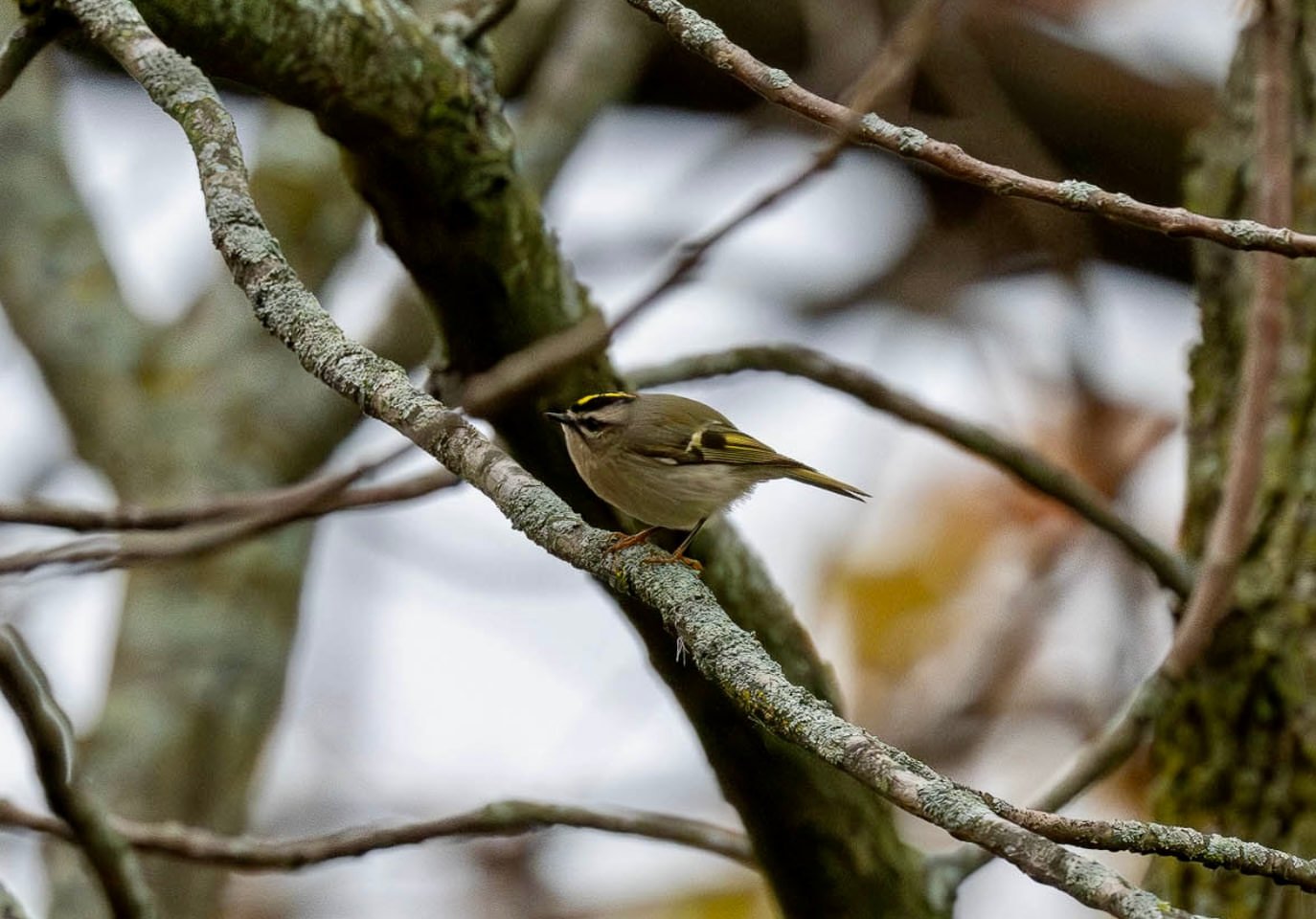
Golden-crowned Kinglet in Fall Migration Plumage.

Golden-crowned Kinglet in Fall Migration Plumage.

Tiny, hyperactive songbird usually found in conifer trees. Look for black stripes on the head and bold wing pattern. The namesake golden crown is usually just a small stripe, but can be flared into an expressive fiery-orange crest when agitated. One of the smallest passerines.

Dark-eyed Junco Slate-colored

Medium-sized sparrow with considerable geographic color variation, although all exhibit a pink bill, dark eyes, white belly, and dark-centered tail with white outer feathers. Gray-headed form has gray head, rump, breast, and sides, and rust-brown back. Slate-colored form is slate-gray overall with darker head. Oregon form has black hood, chestnut-brown back and buff-brown flanks. White-winged form is blue-gray overall and shows two white wing bars. Pink-sided form is blue-gray with darker wings and pink-gray flanks. Female of each form resembles male but is usually paler. Juveniles of all forms are heavily streaked brown with darker heads, white bellies, and white outer tail feathers. Short flights with white outer tail feathers flashing conspicuously; alternates several rapid wing beats with wings drawn to sides. Forages primarily on the ground for seeds and arthropods; readily visits backyard bird feeders. (From iBird Pro).