


Christel spotted a new bird yesterday while sitting in our screen room. Prairie Warblers. The first photo is a male and the second is a female. You might notice that I shot the second photo through the screen! Haha! Still not a bad image.
From iBird Pro: Not often found in prairies!!
Prairie Warbler: Declining in the upper midwestern part of its range. Breeds from southern Ontario and central New England south to Oklahoma, the Gulf Coast, and Florida; local in many areas. Winters in southern Florida and in the tropics. Preferred habitats include mixed pine-oak barrens, old pastures, hillsides scattered with red cedars, open scrub, and mangrove swamps; not often found in prairies.


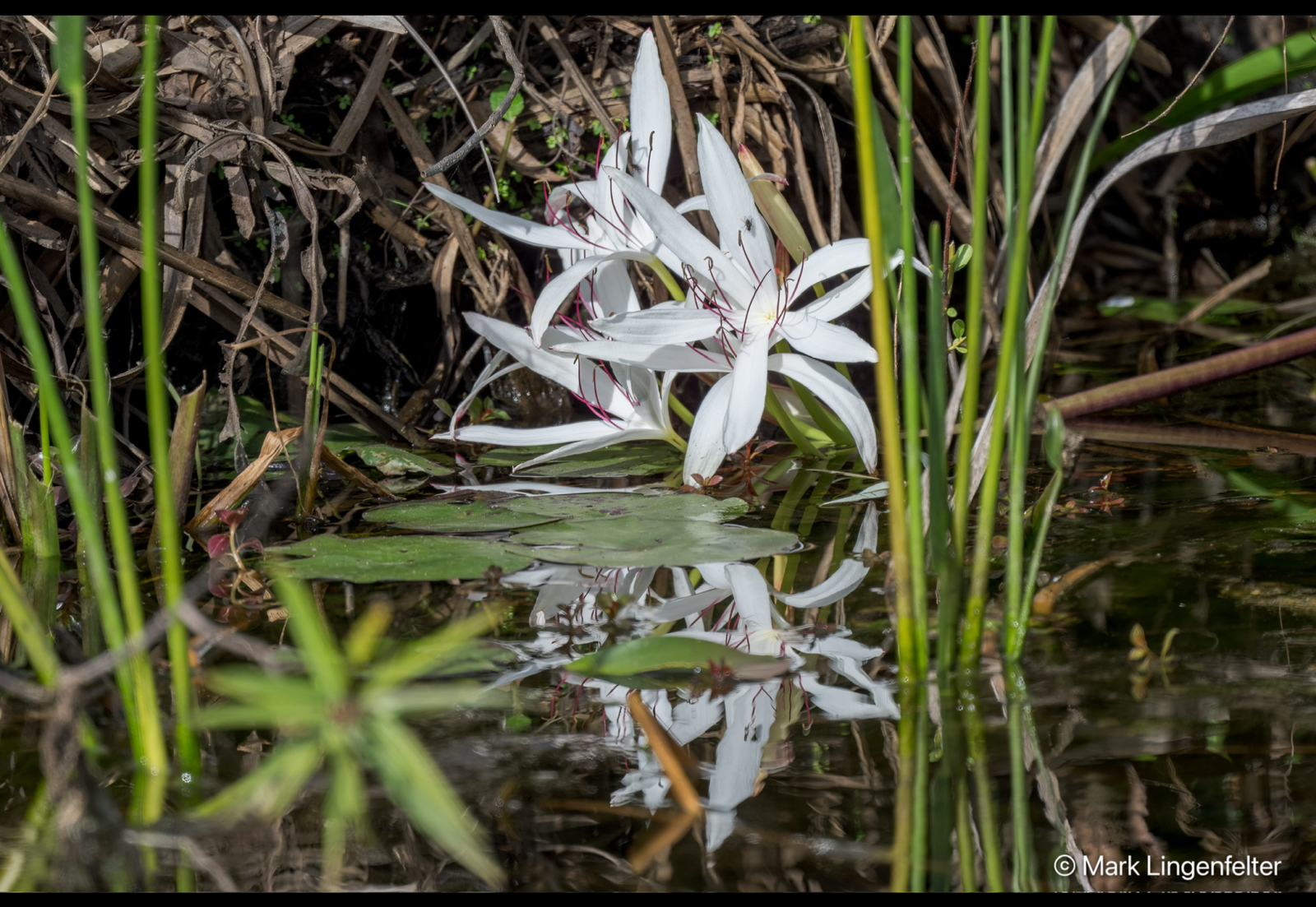
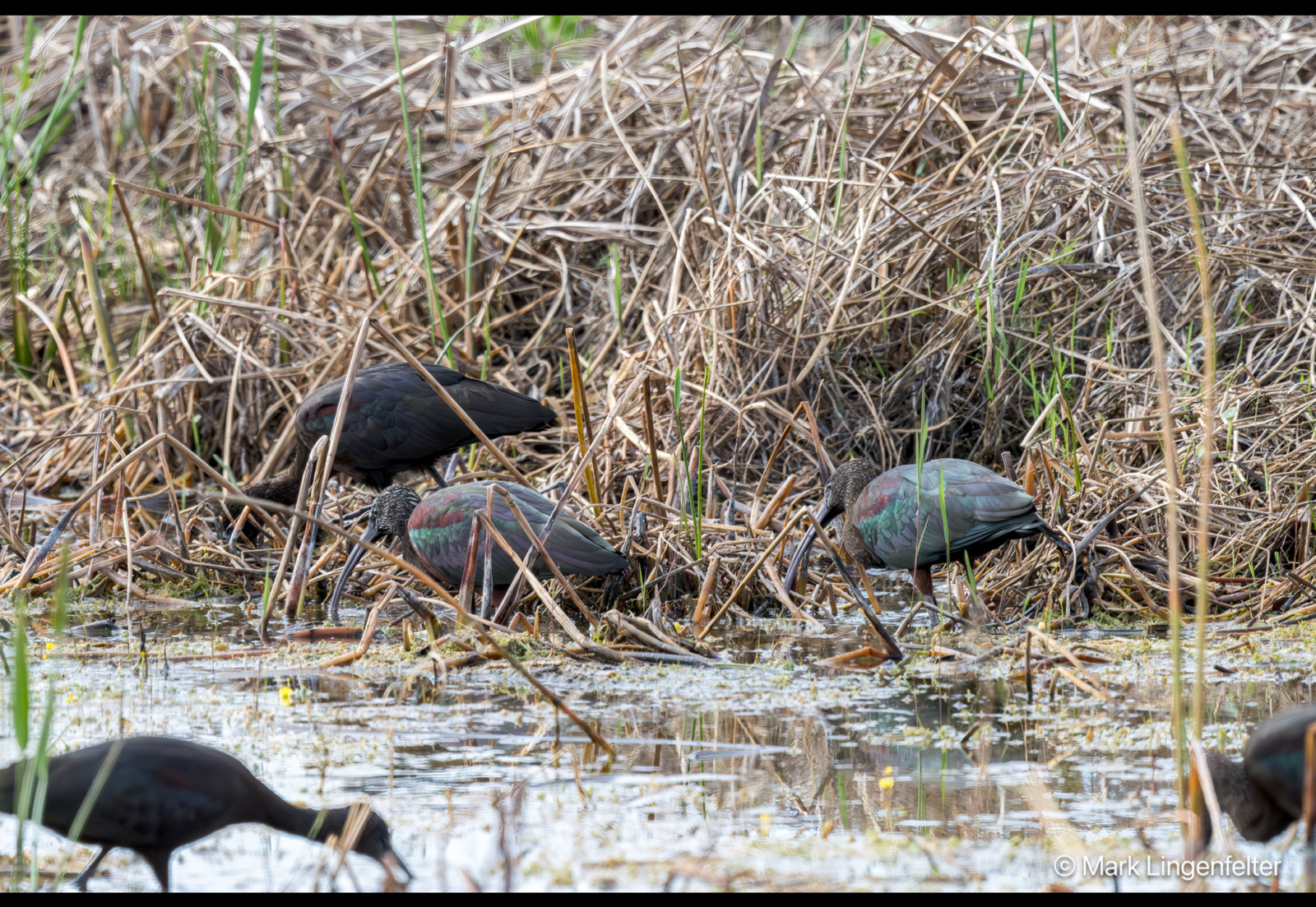
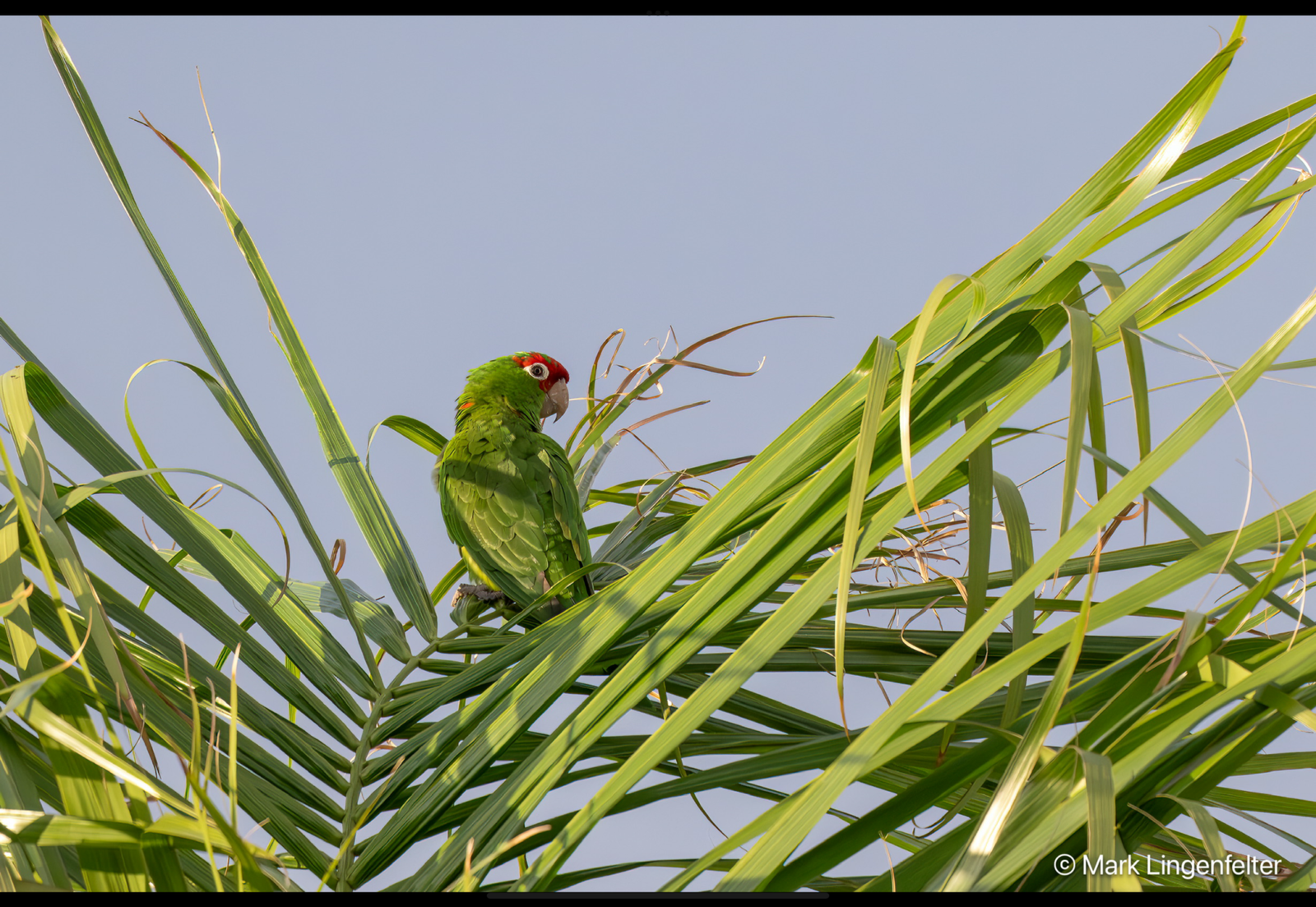
All of the following were seen on a single 90 minute visit and walk on the boardwalk. Incredible amount of wildlife.




Green-Winged Teal: Breeds from the arctic regions of northern Alaska and Canada south to northern California, Colorado, Nebraska, and New York. Spends winters in southern states, along the Pacific and Atlantic coasts, and throughout Mexico. Preferred habitats include marshes, ponds, and marshy lakes.


During breeding season, has vibrant greenish-yellow facial skin, orange bill, and long feather plumes that extend from the back to beyond the tail.
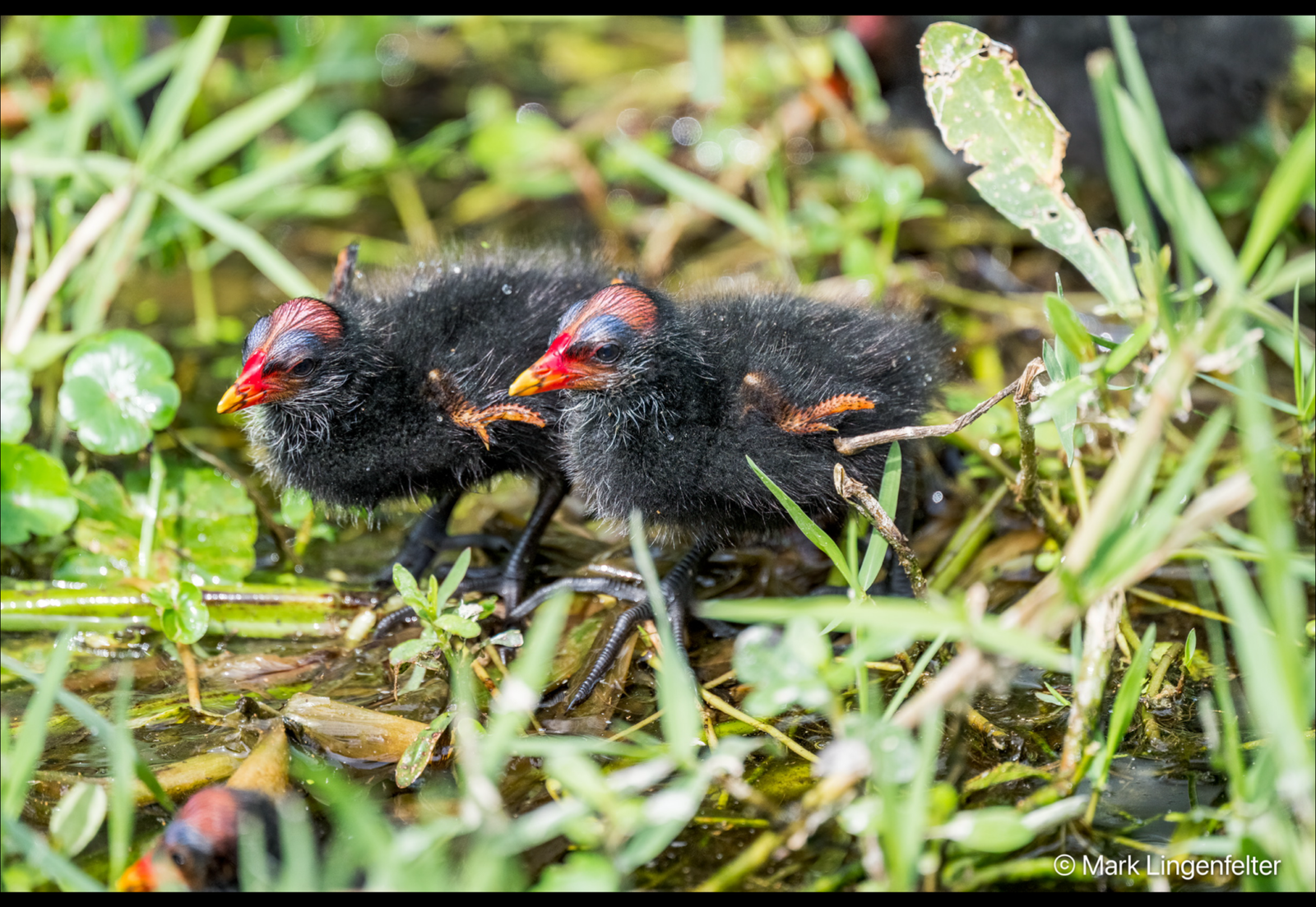
A sampling of wild creatures seen on a visit on a day in January in Florida.



In the 1890s, Jerome, Arizona, thrived as a booming copper mining town with a reputation for its wild and often lawless environment.


Our Clerodendrum/Starburst tree is just about to blossom. Loved by the Blue-gray Gnatcatcher that eats aphids, hemipterans, beetles, moths, butterflies, flies, ants, bees, wasps, and spiders; forages by moving up and down outer branches of trees or shrubs. Blue-gray Gnatcatcher: flycatcher-like perching bird with blue-gray upperparts, white underparts, and prominent white eye-ring. Wings are dark. Black tail is long and white-edged. Female tends toward grayer tones.
Range and Habitat
Blue-gray Gnatcatcher: Breeds from southern Oregon, Wyoming, Minnesota, the Great Lakes region, southern Ontario, and New Hampshire southward. Spends winters from southern California to the Gulf coast and the Carolinas. Preferred habitats include deciduous woodlands, streamside thickets, live oaks, pinyon-juniper, and chaparral. (iBird Pro)


These little guys move very fast requiring a fast shutter speed. These were taken with a 1/4000th of a second. (If you are ever asked what shutter speed you should be using with bird photography, the answer is 1/3200th of a second.). Larger birds move more slowly and one can use much slower speeds. Smaller birds like a hummingbird might still be blurry with 1/4000th. My default shutter speed on my cameras is 1/2000, adjust as to the bird or animal photographing. As they say, your mileage may vary…


Cooper’s Hawks look very similar to the Sharp-shinned Hawks. Generally the Cooper’s Hawks are smaller but there is overlap. This was ID’d as a Cooper’s by the Merlin voice ID app when two of them were talking to each other.


