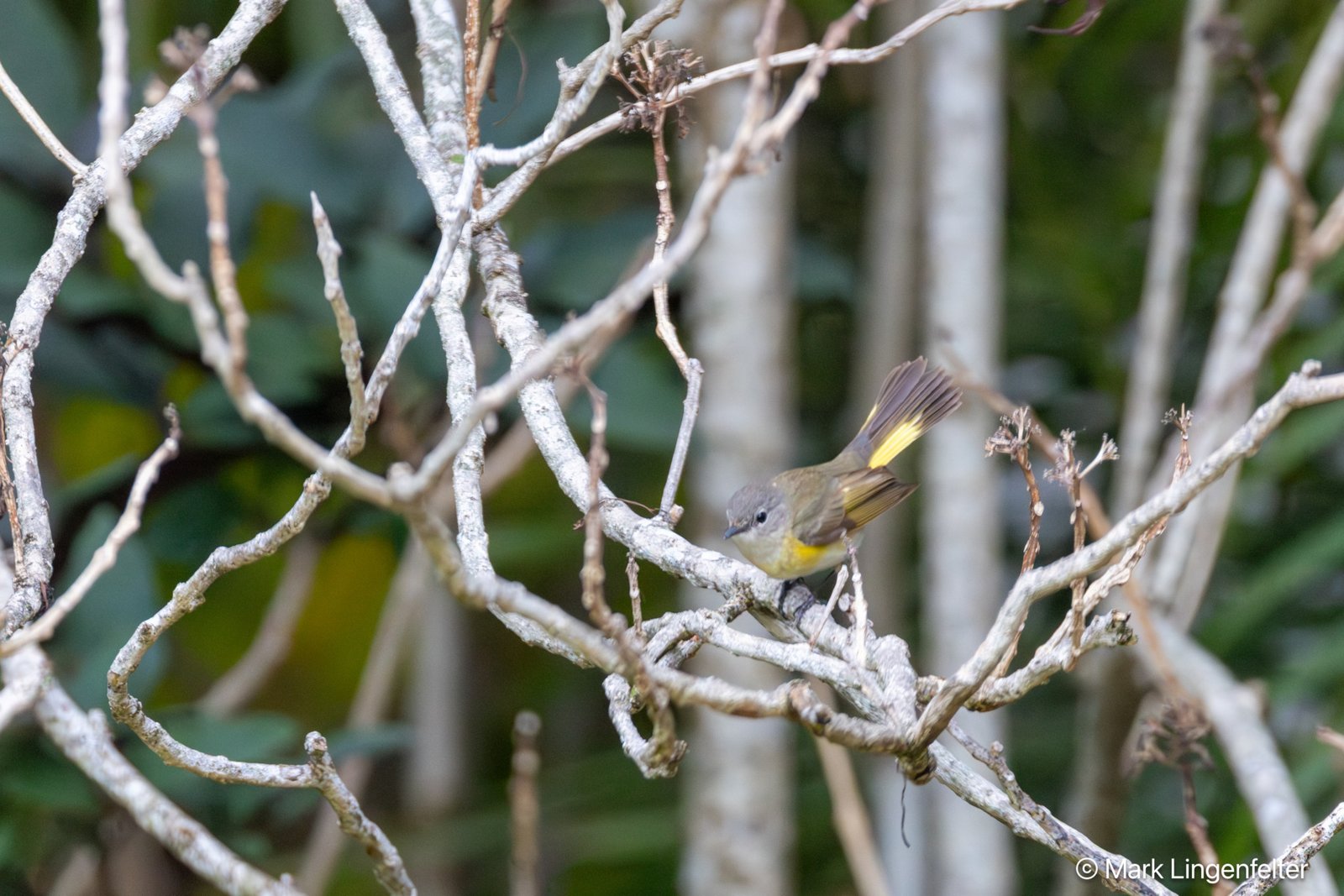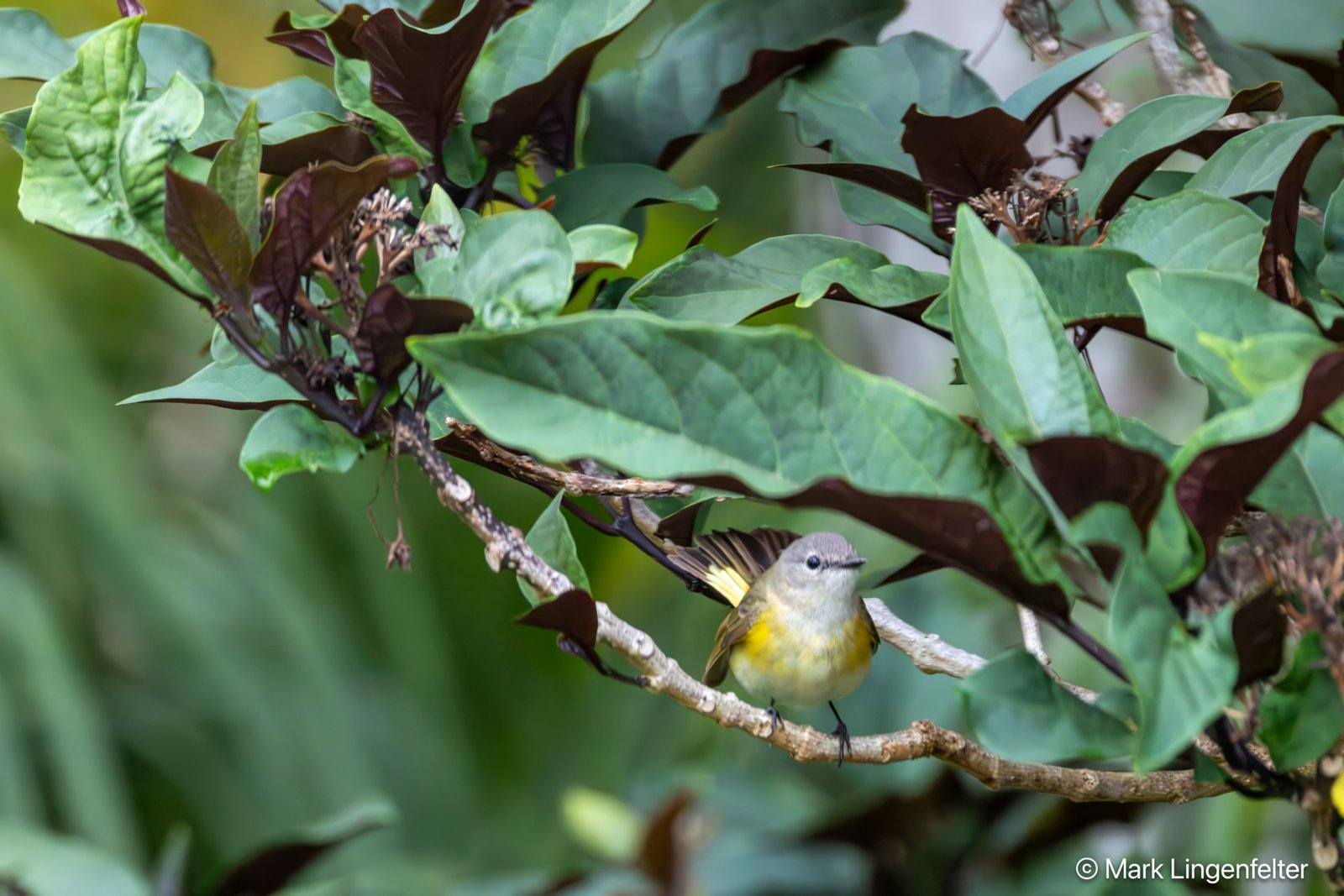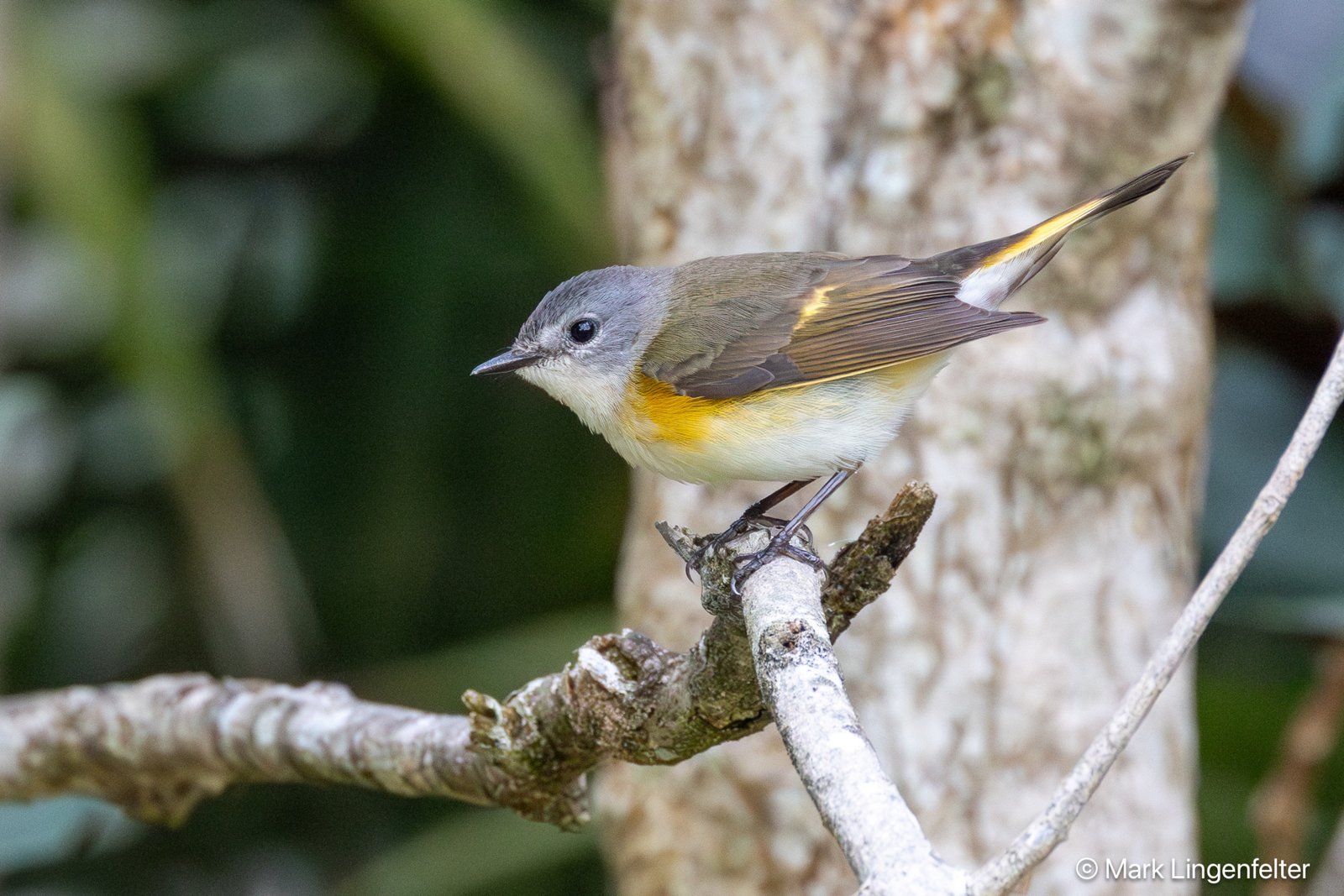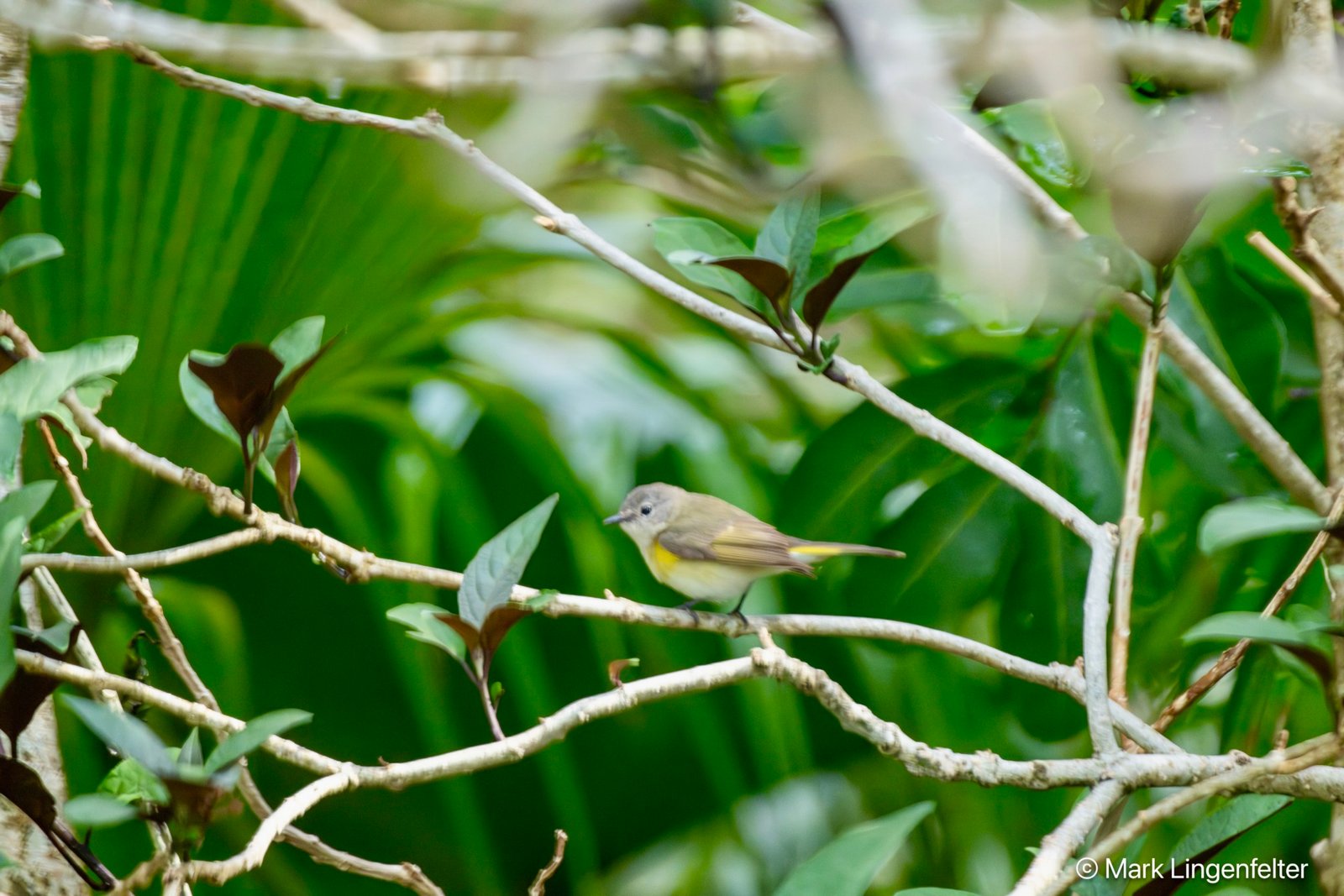
Scarlet Tanager in Wisconsin

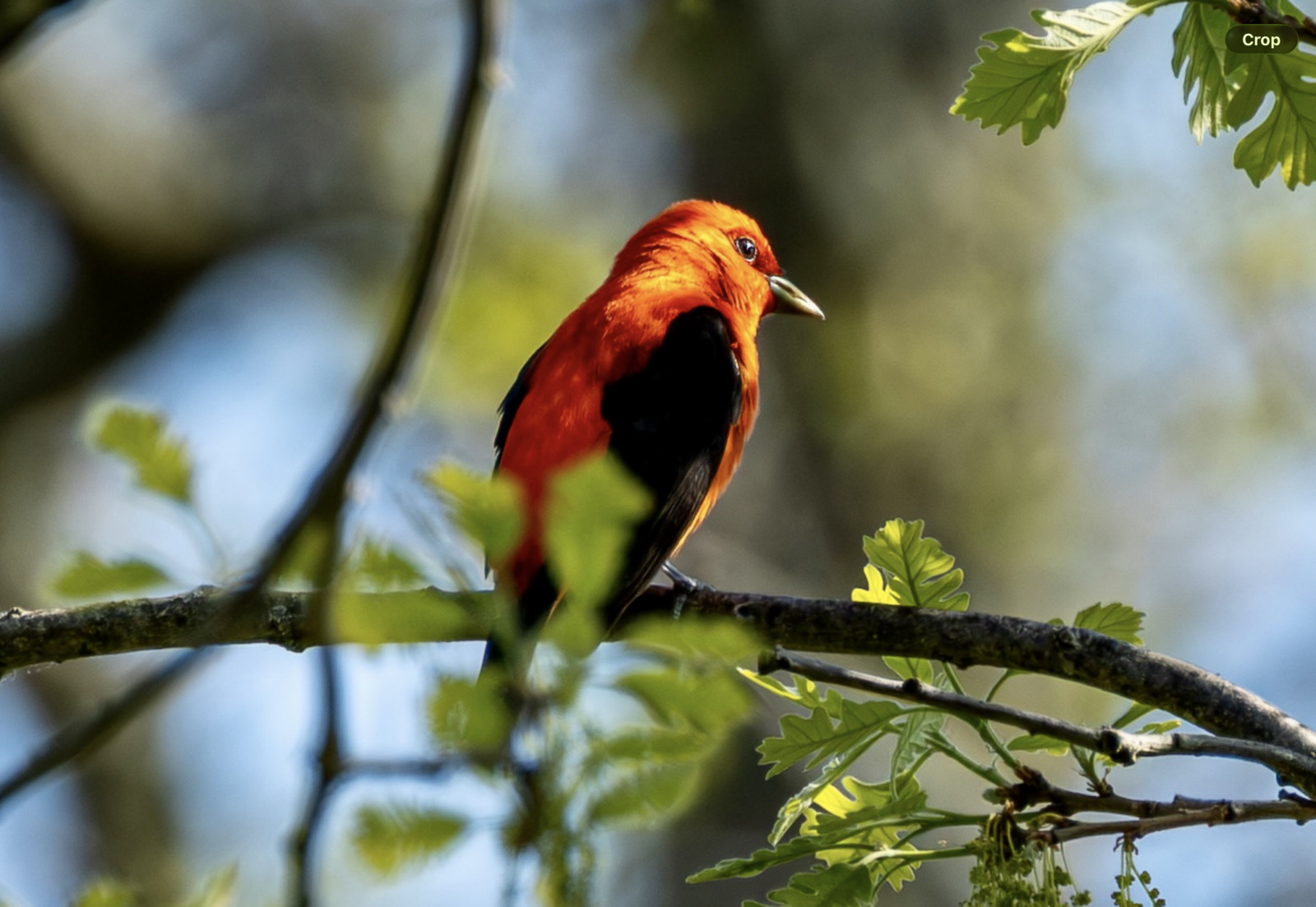
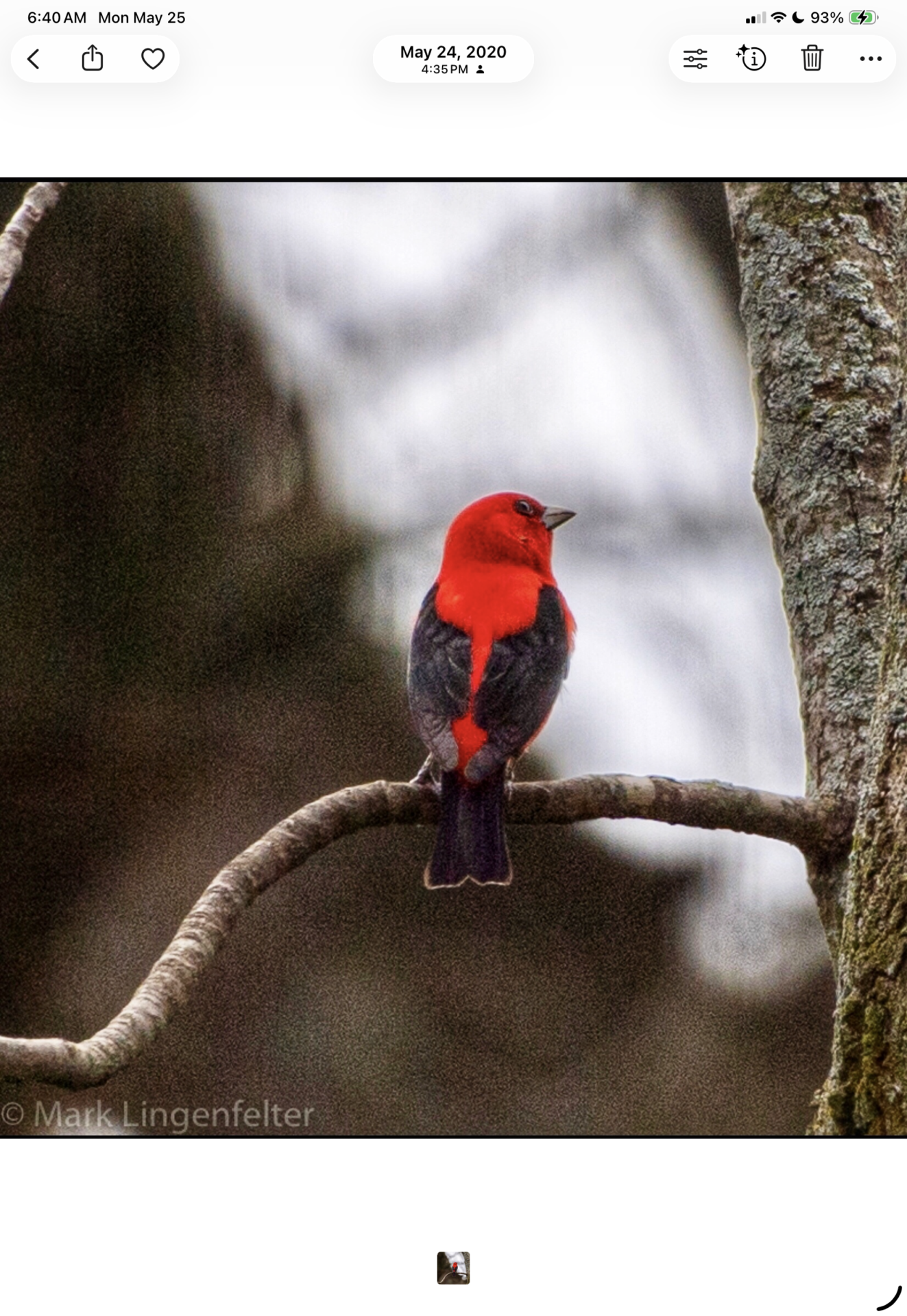
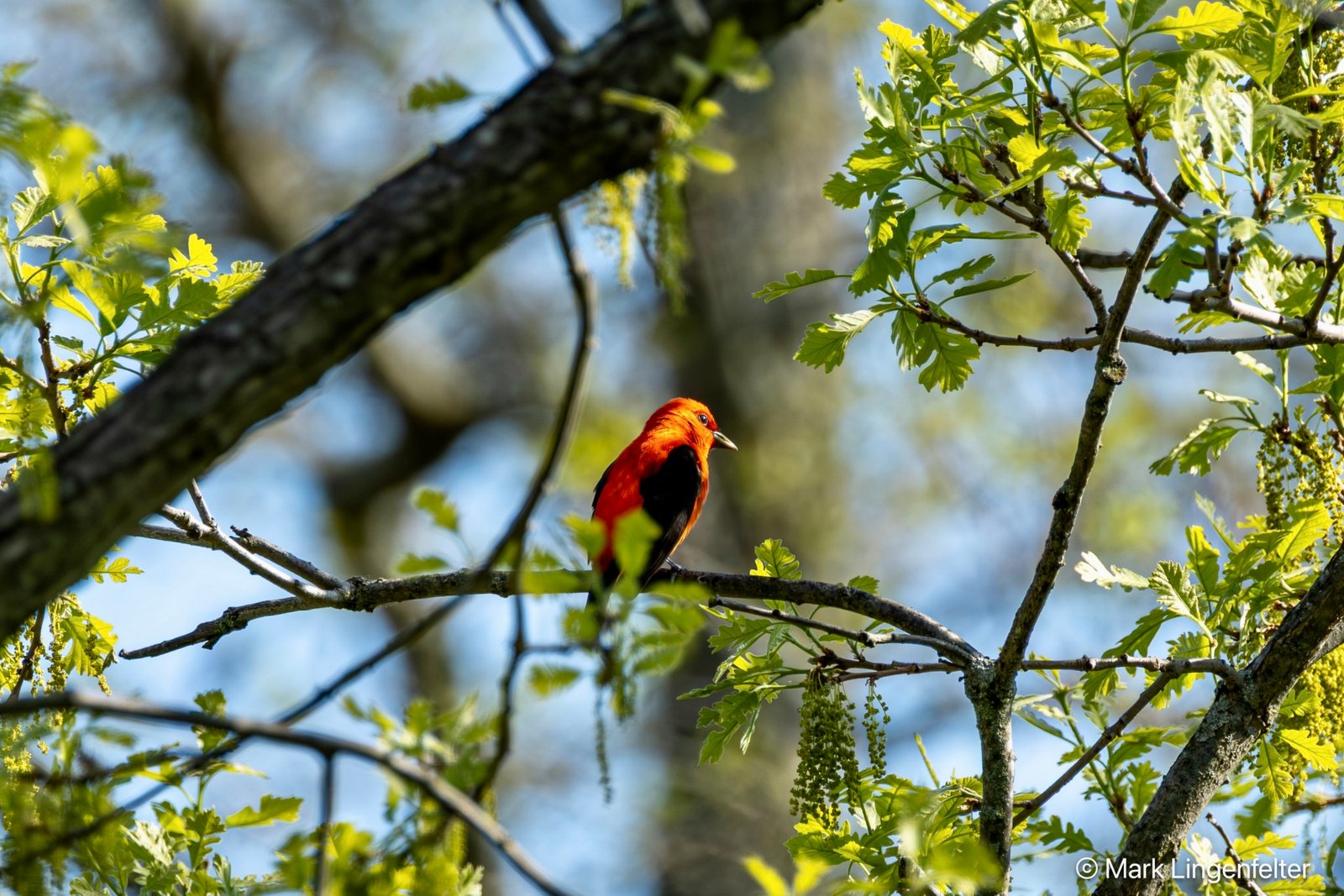
I will often have a pop up photo on my iPad revealing a past memory.  Apparently Apple has this feature as a default enabled (and can be disabled if desired.). This morning a photo of a Scarlet Tanager popped up with an image that I had taken 6 years ago.  I had not seen one since – until today looking out into the densely treed area near the river behind our house.  The bright red in the distance really stood out even though it appears as just a small spot.  I was fortunate to have my camera with the 800 mm lens handy to capture the scene.  Here is the image from May 24, 2020 and today’s image May 24, 2026.  Needless to say, this must be their time to migrate!  And nature is consistent! Will have to be on the lookout every year on this day. He also has a similar pose, looking for insects like any good flycatcher.

In winter, Scarlet tanagers migrate to the montane forest of the Andean foothills of northwestern South America, passing through Central America around April, and again around October.  Male scarlet tanagers reach their breeding ground from mid-May to early June. Females generally arrive several days to a week later.  Scarlet tanagers are often out of sight, foraging high in trees, sometimes flying out to catch insects in flight and then returning to the same general perch, in a hunting style known as “sallying“.  (iBird Pro-Wikipedia)
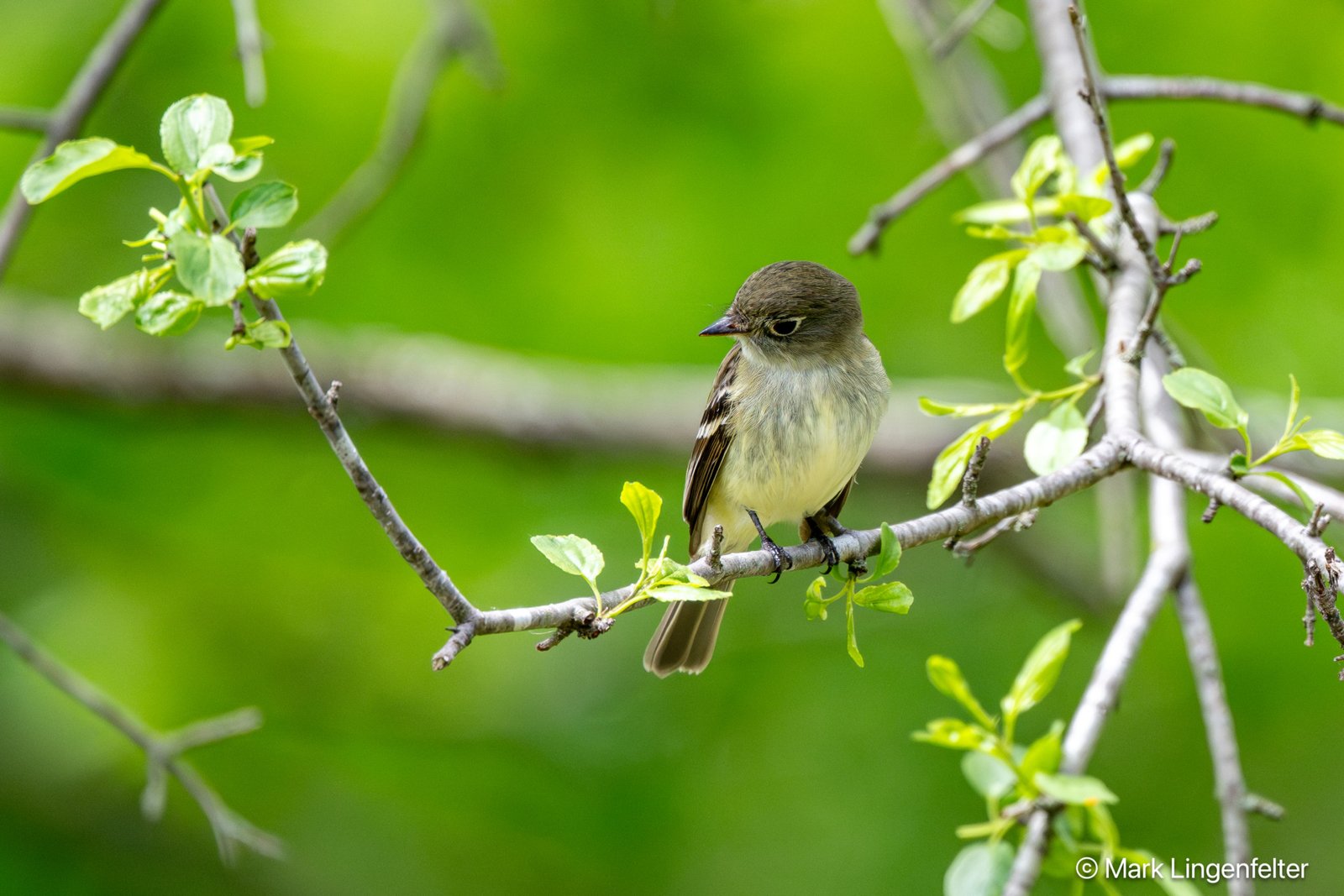
Least Flycatcher

I asked ChatGPT to identify the bird in the photo. Here is the result:

Least Flycatcher (Empidonax minimus)

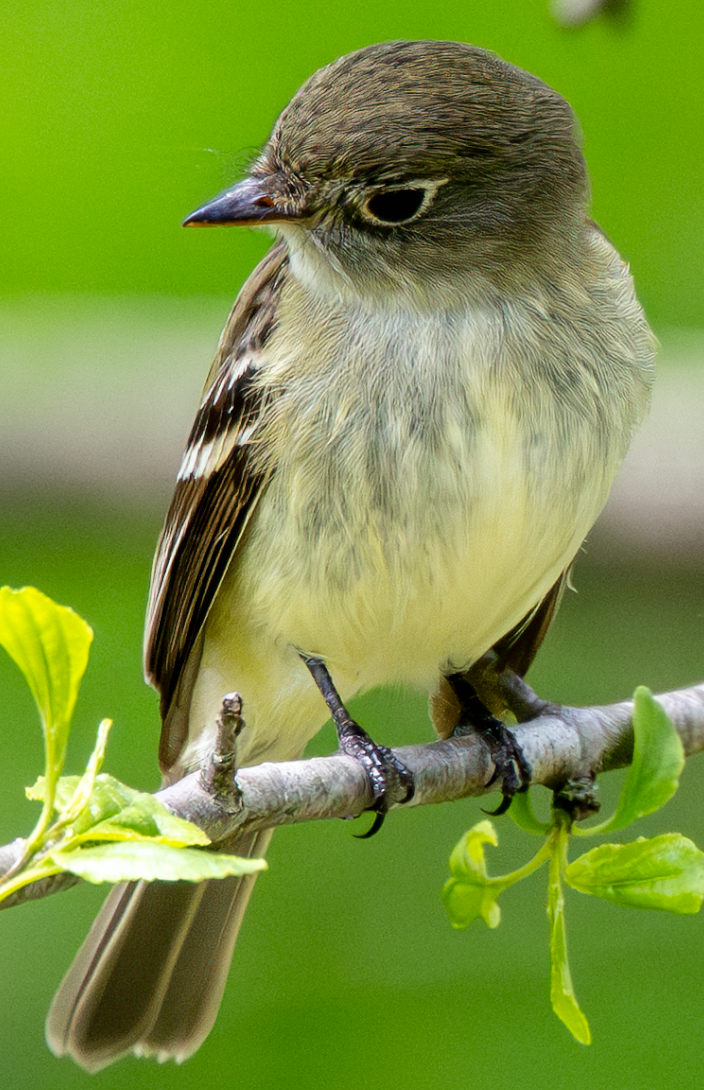
This appears to be a Least Flycatcher, the smallest of the Empidonax flycatchers. Key identifying features visible in the photo:

  • Olive-brown upperparts with a rounded head
  • Pale yellowish-white underparts
  • Two white wing bars on dark brown wings
  • Bold white eye ring
  • Short, broad bill typical of flycatchers
  • Compact, round body shape

Why Least Flycatcher?

The Empidonax genus is notoriously difficult to identify visually, but the combination of the prominent eye ring, small size, whitish underparts with just a hint of yellow, and the overall “puffed up” posture points strongly to the Least Flycatcher.

Fun Facts

  • Their distinctive “che-BEK!” call is usually the most reliable identification method
  • They’re insectivores, sallying out from perches to catch insects mid-air
  • Common migrant through Wisconsin in spring (like right now!) and fall
  • They breed across Canada and the northern US, wintering in Central America

Given your location in Sheboygan, Wisconsin, this would be a perfectly expected sighting during spring migration in late May! 🐦

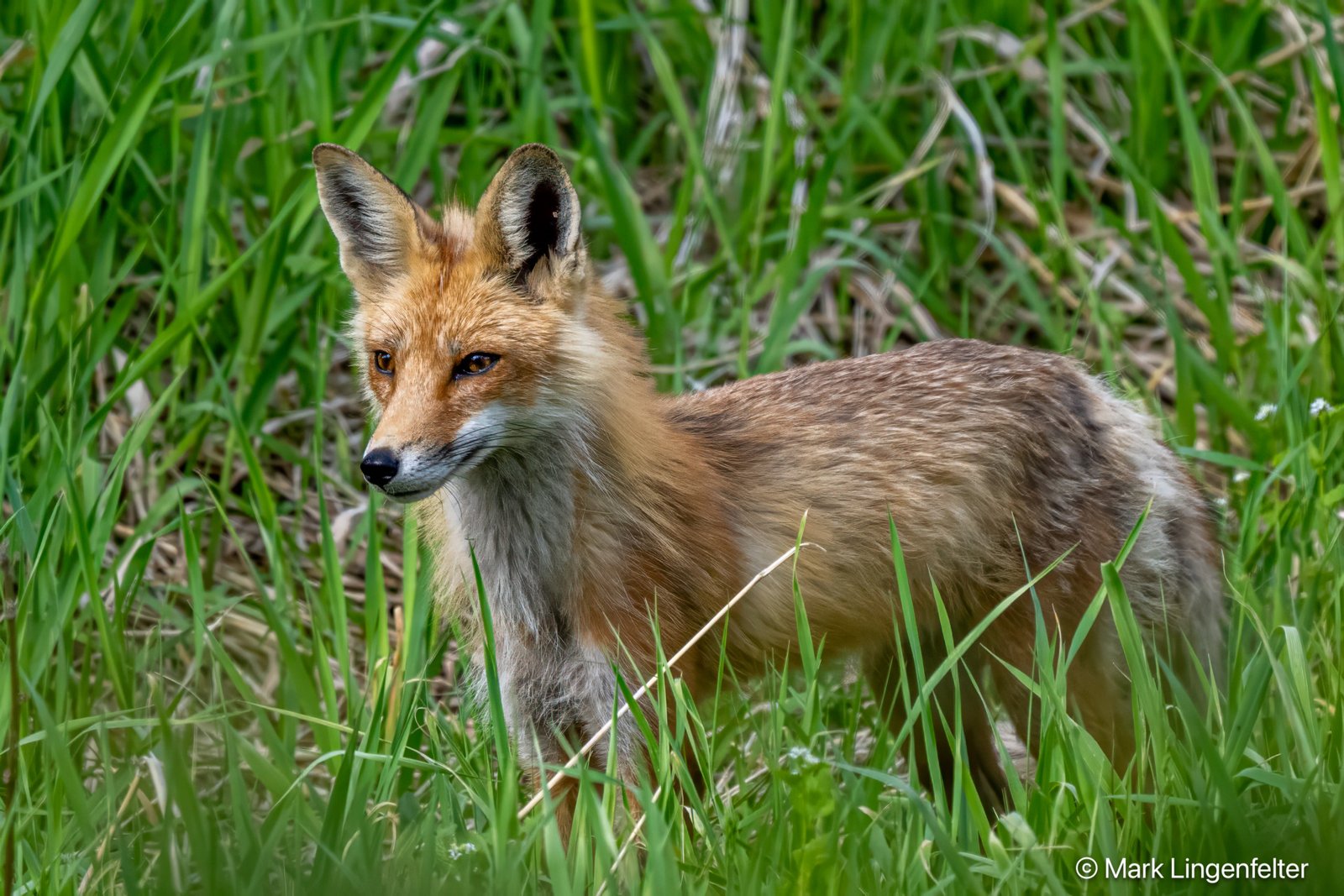
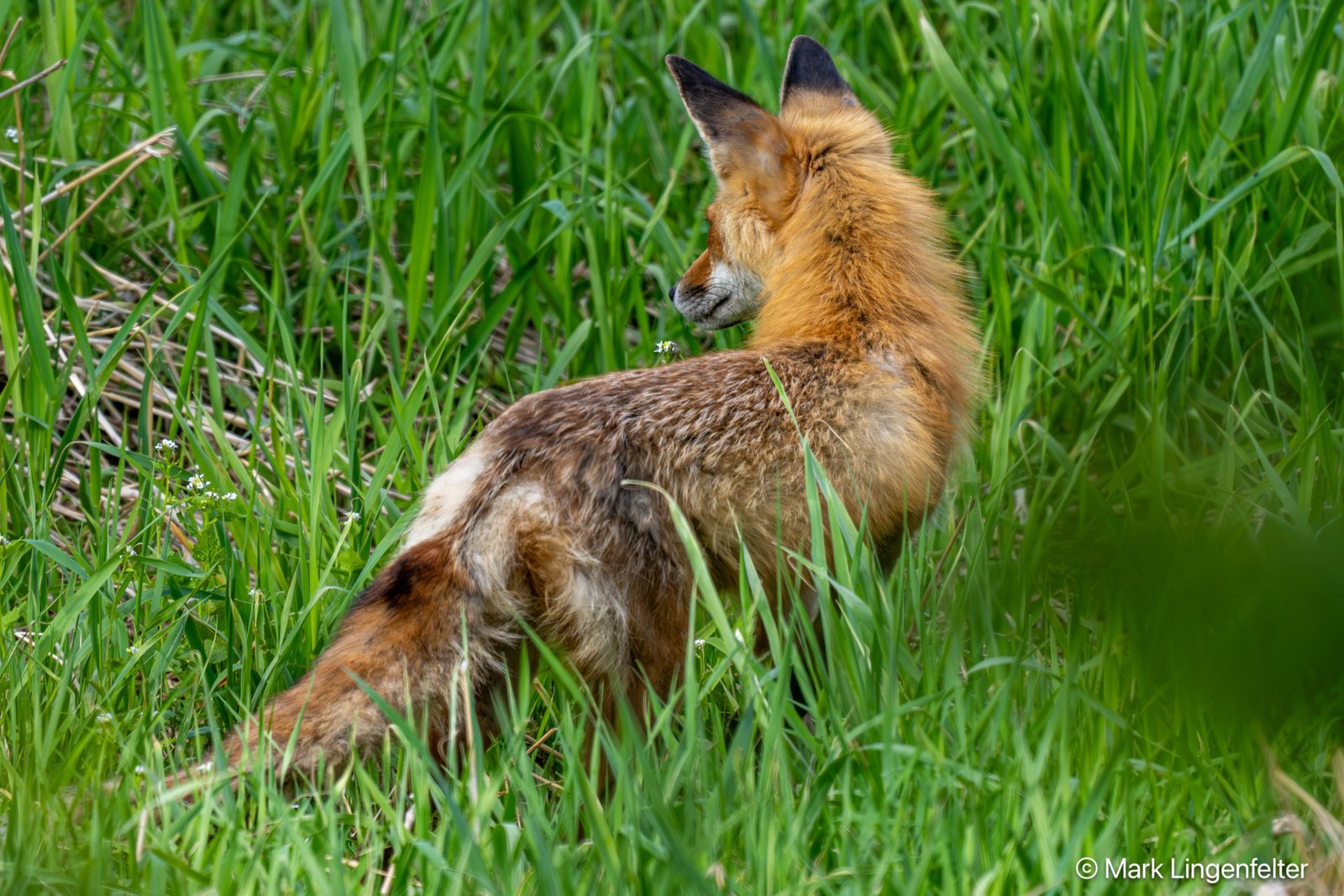
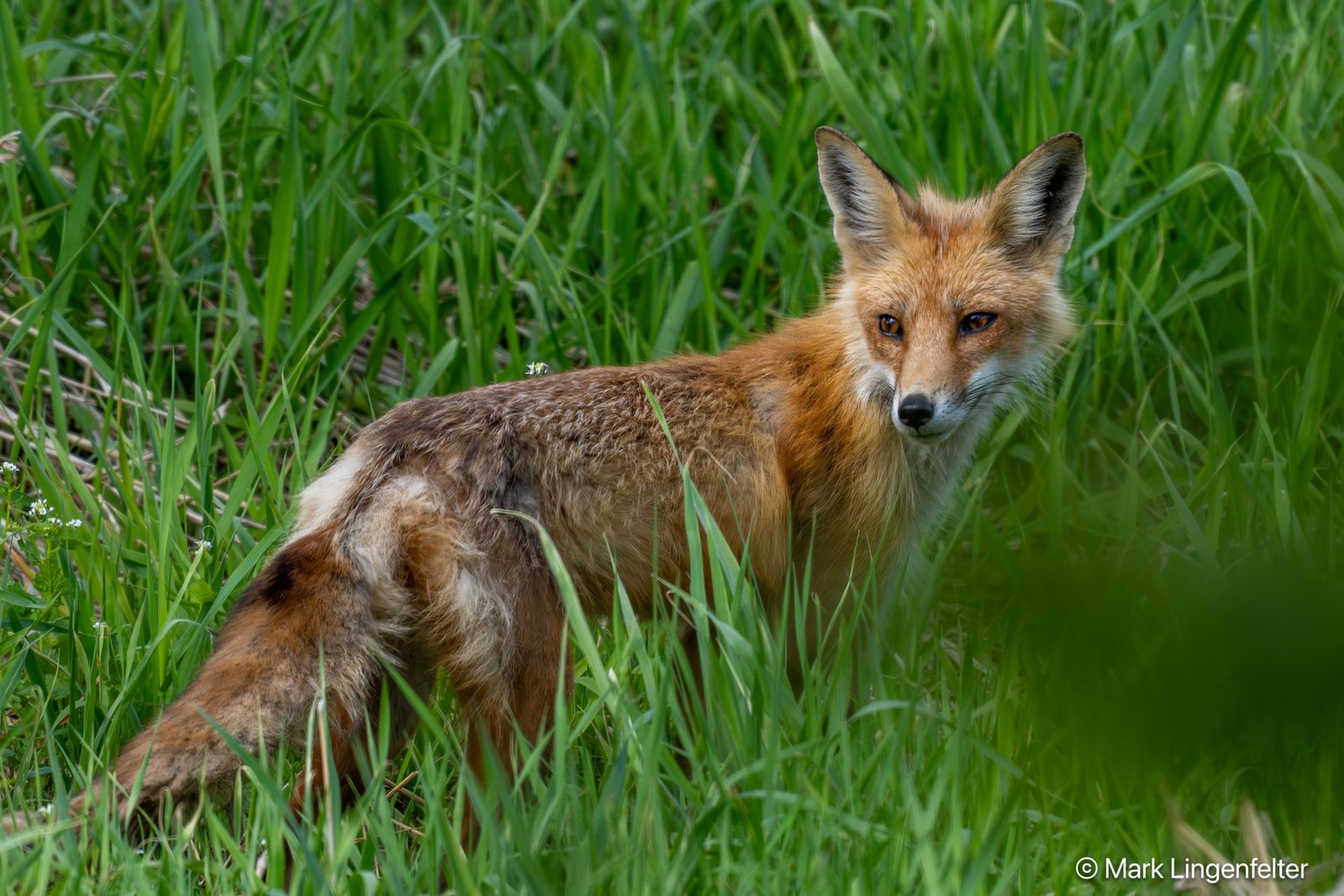
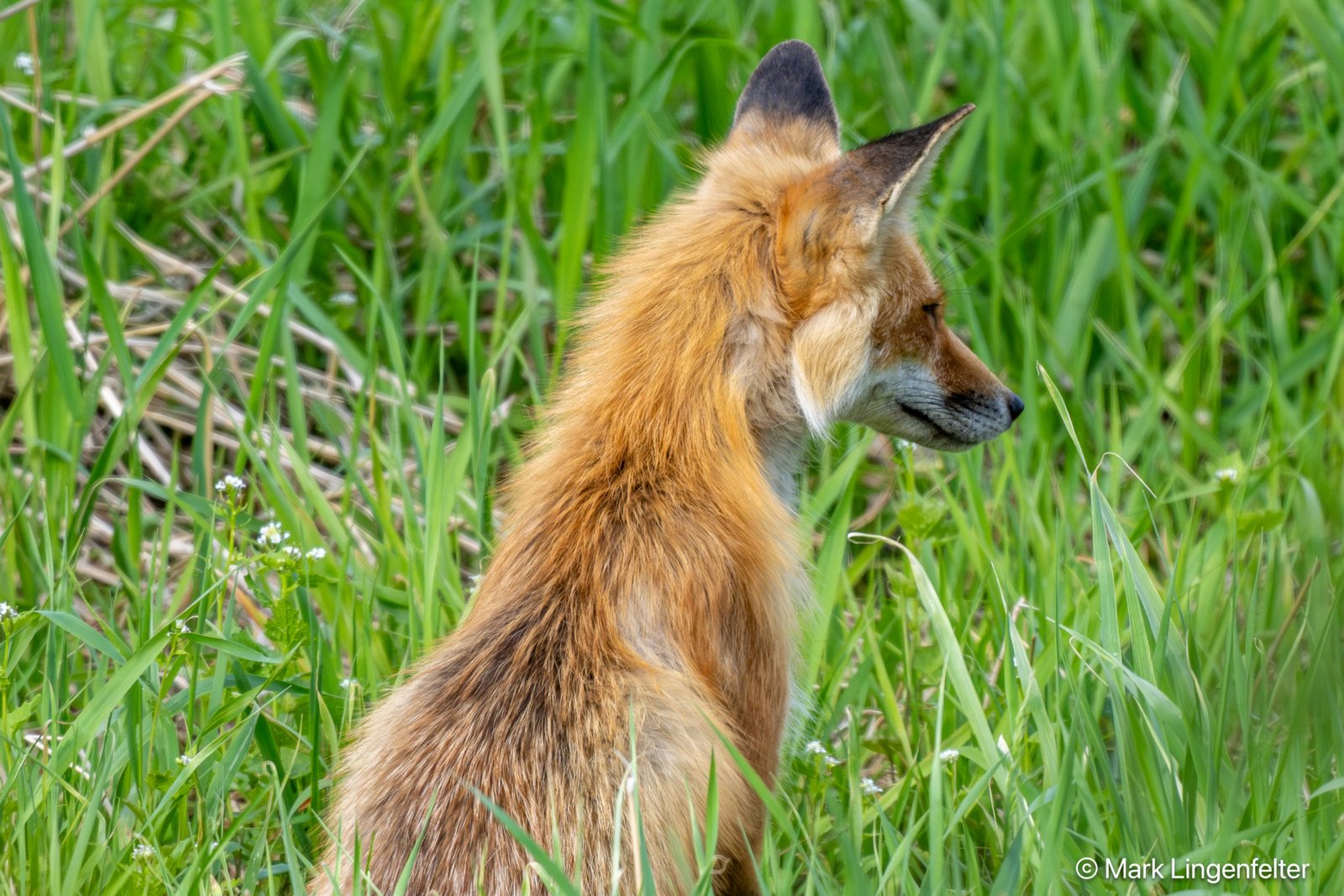
Red Fox along the Sheboygan River this Morning in Wisconsin.

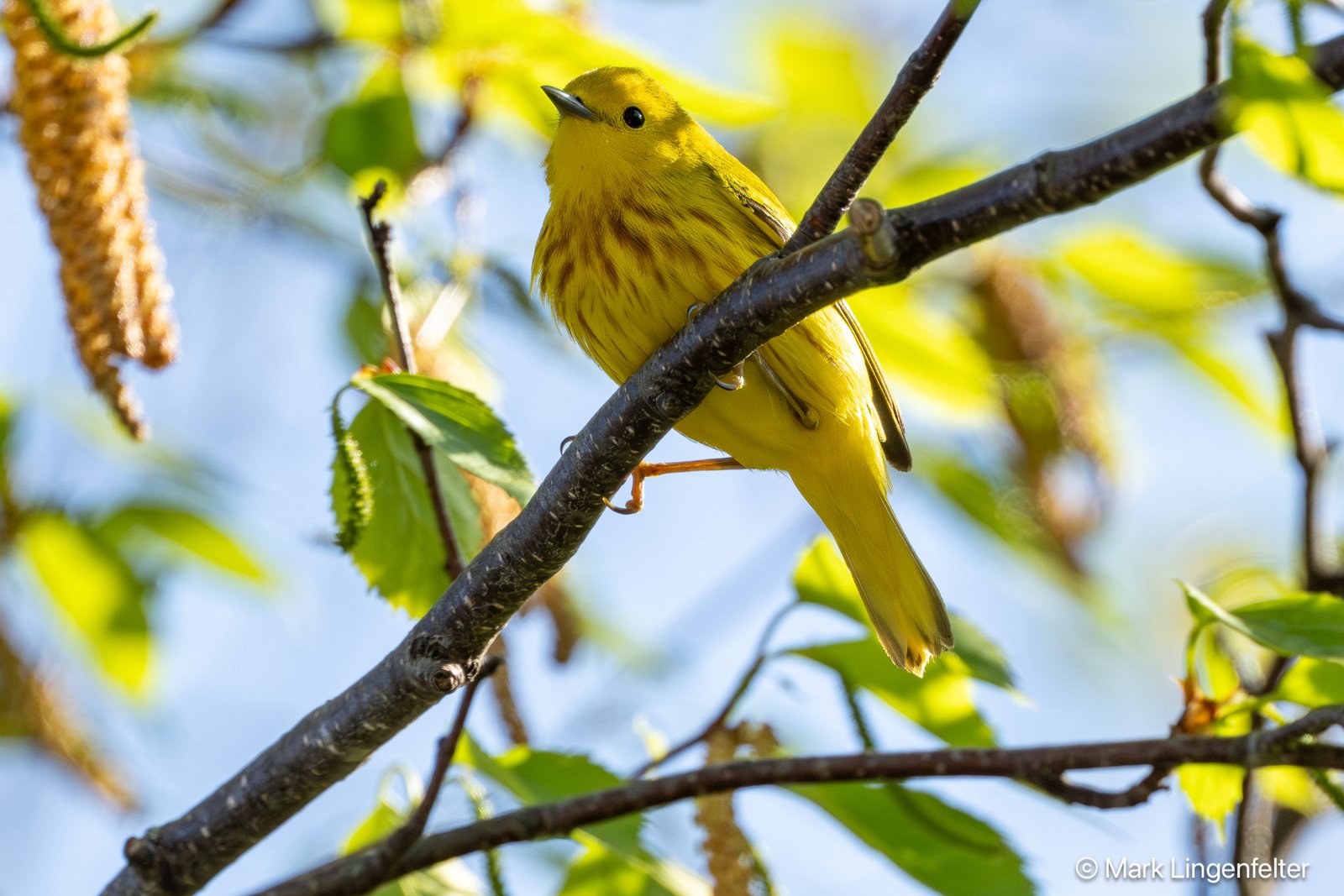
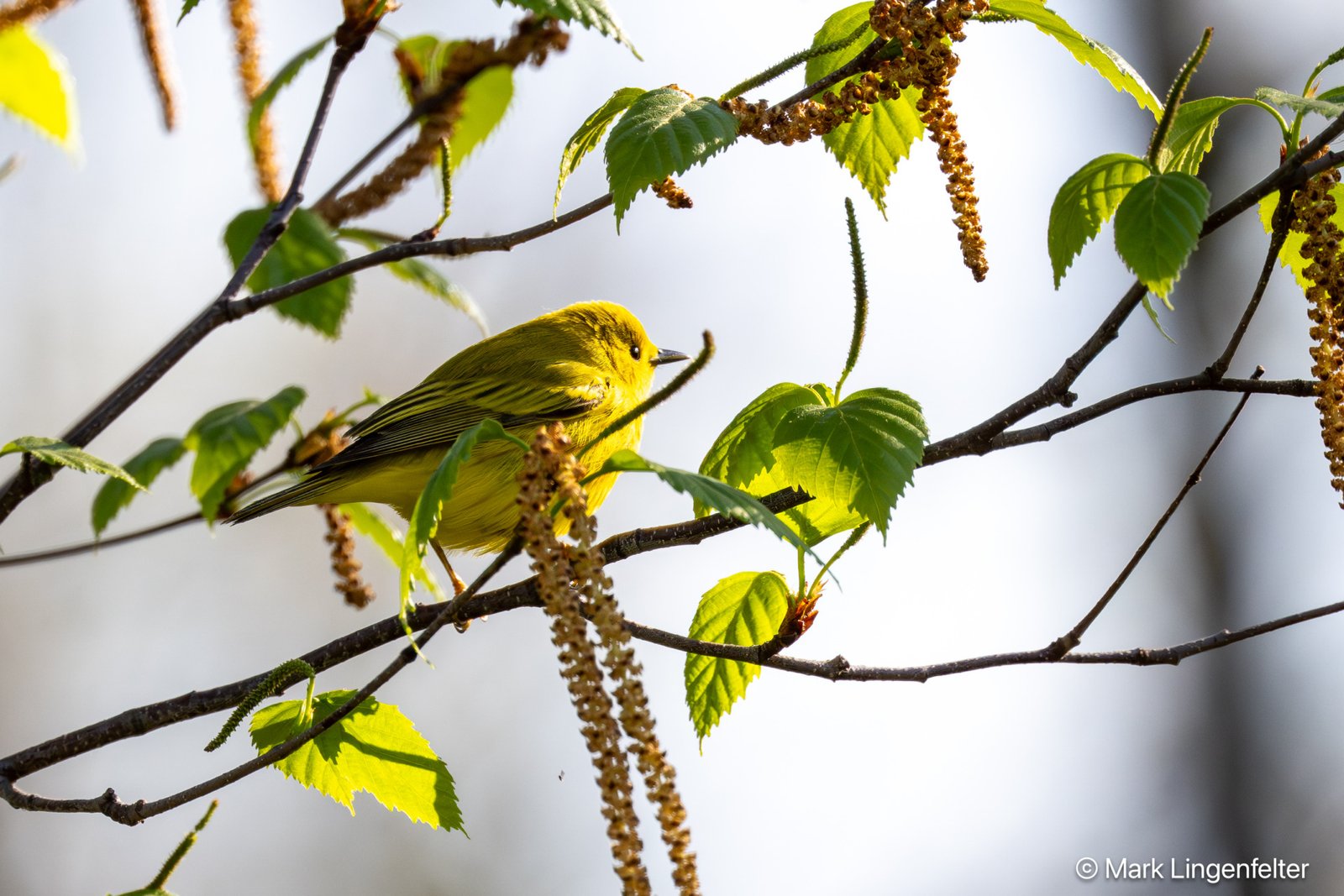
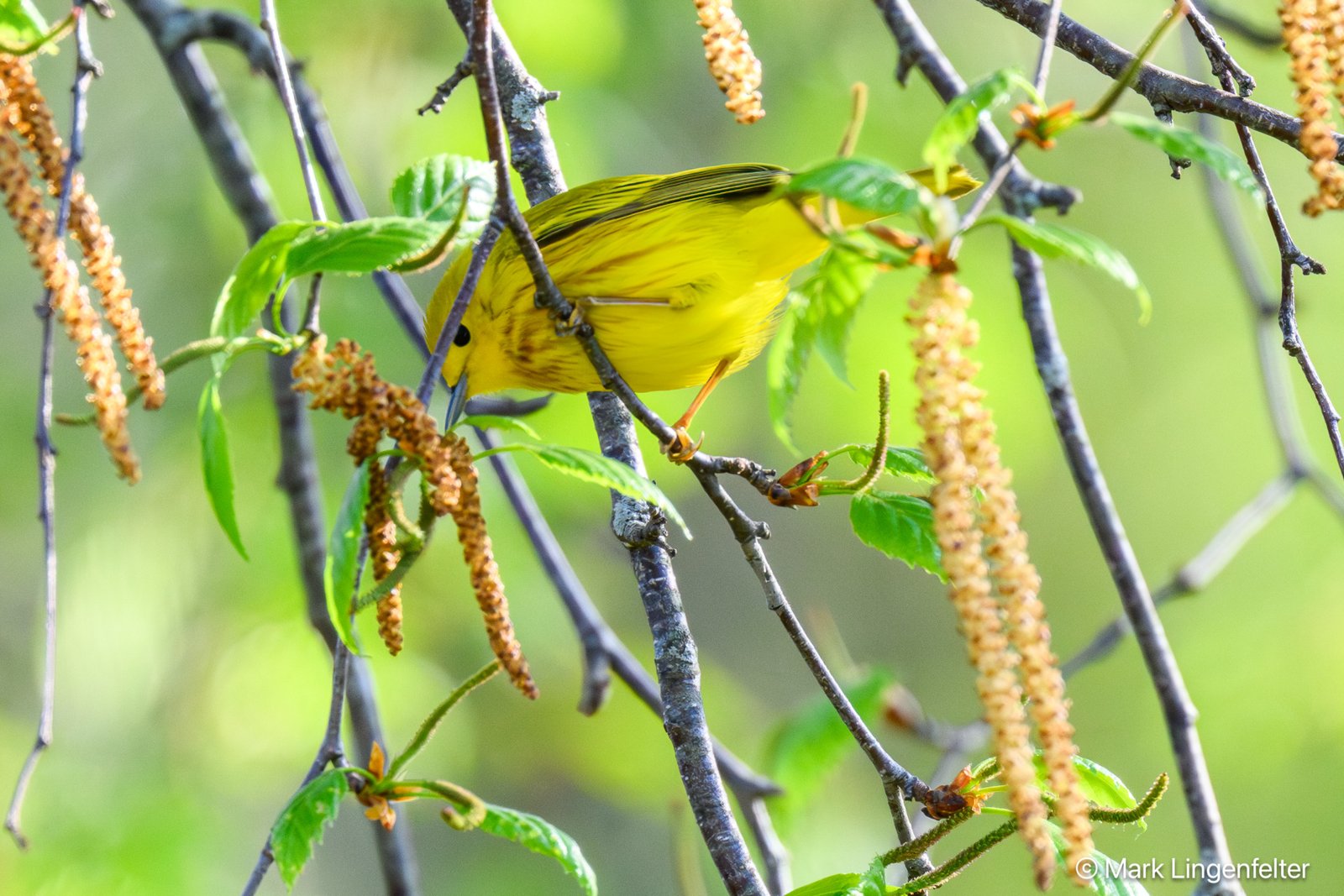
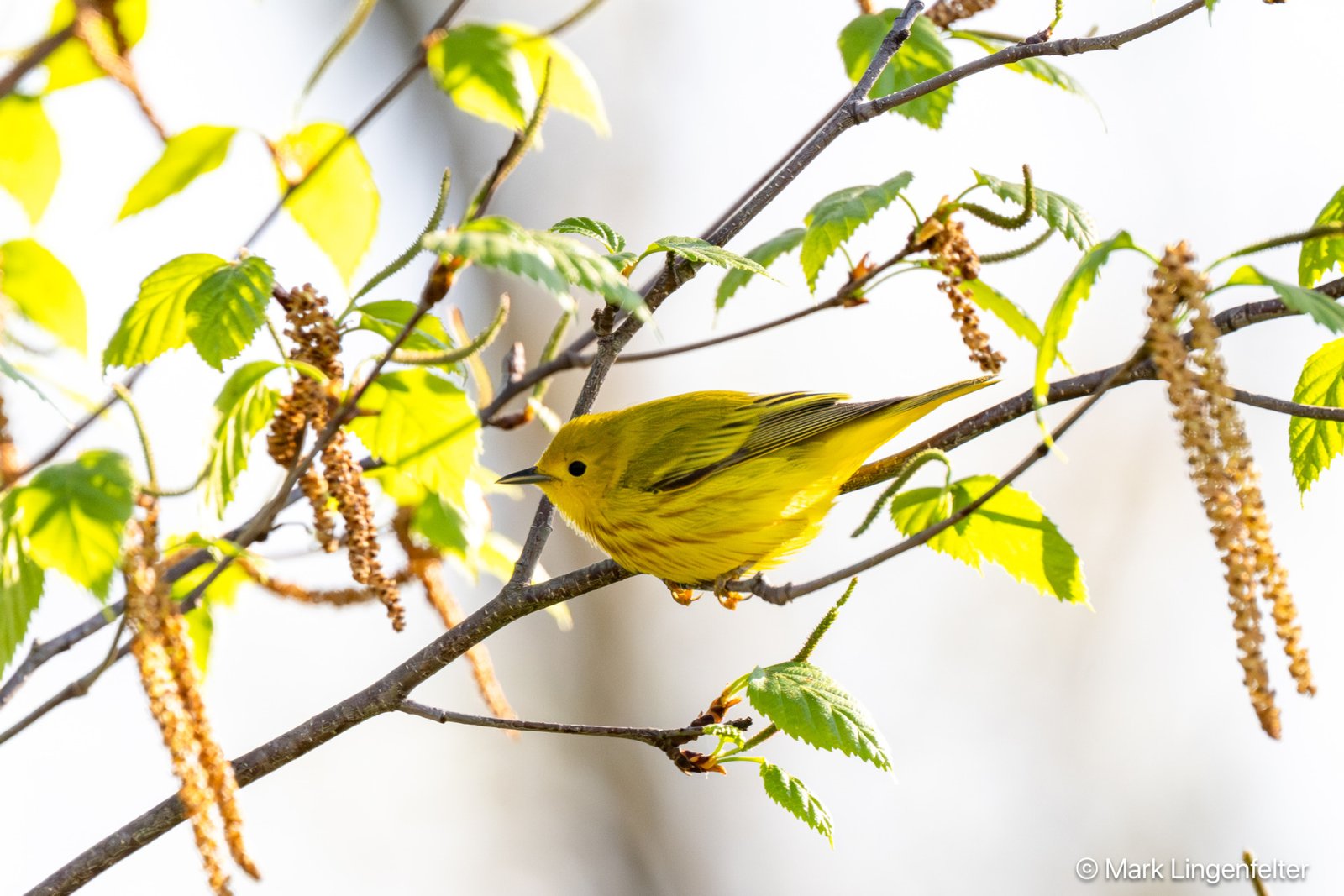
Yellow Warbler in Wisconsin 5-15-2026

Common Yellowthroat Warblers and American Redstart Males and Females