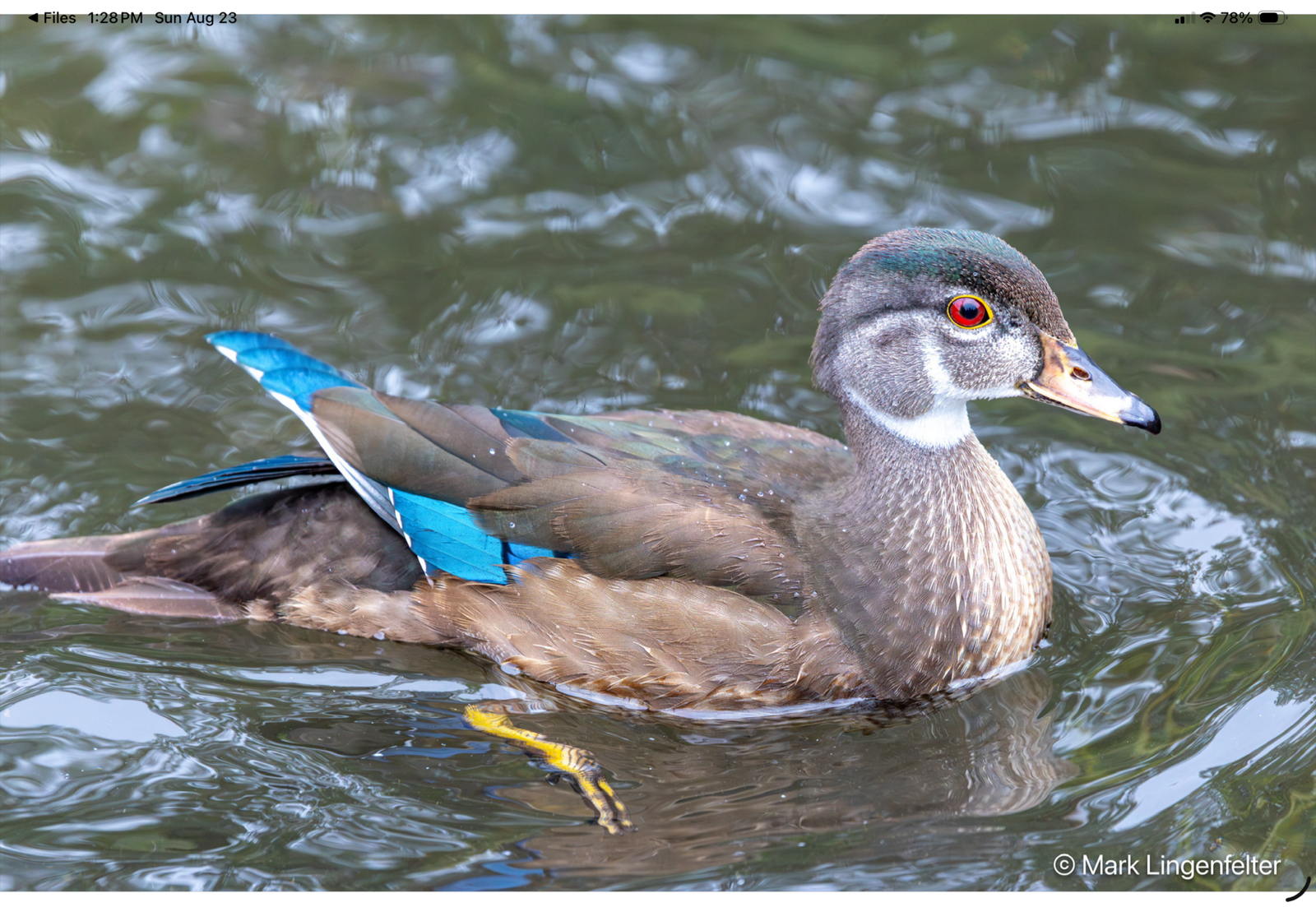
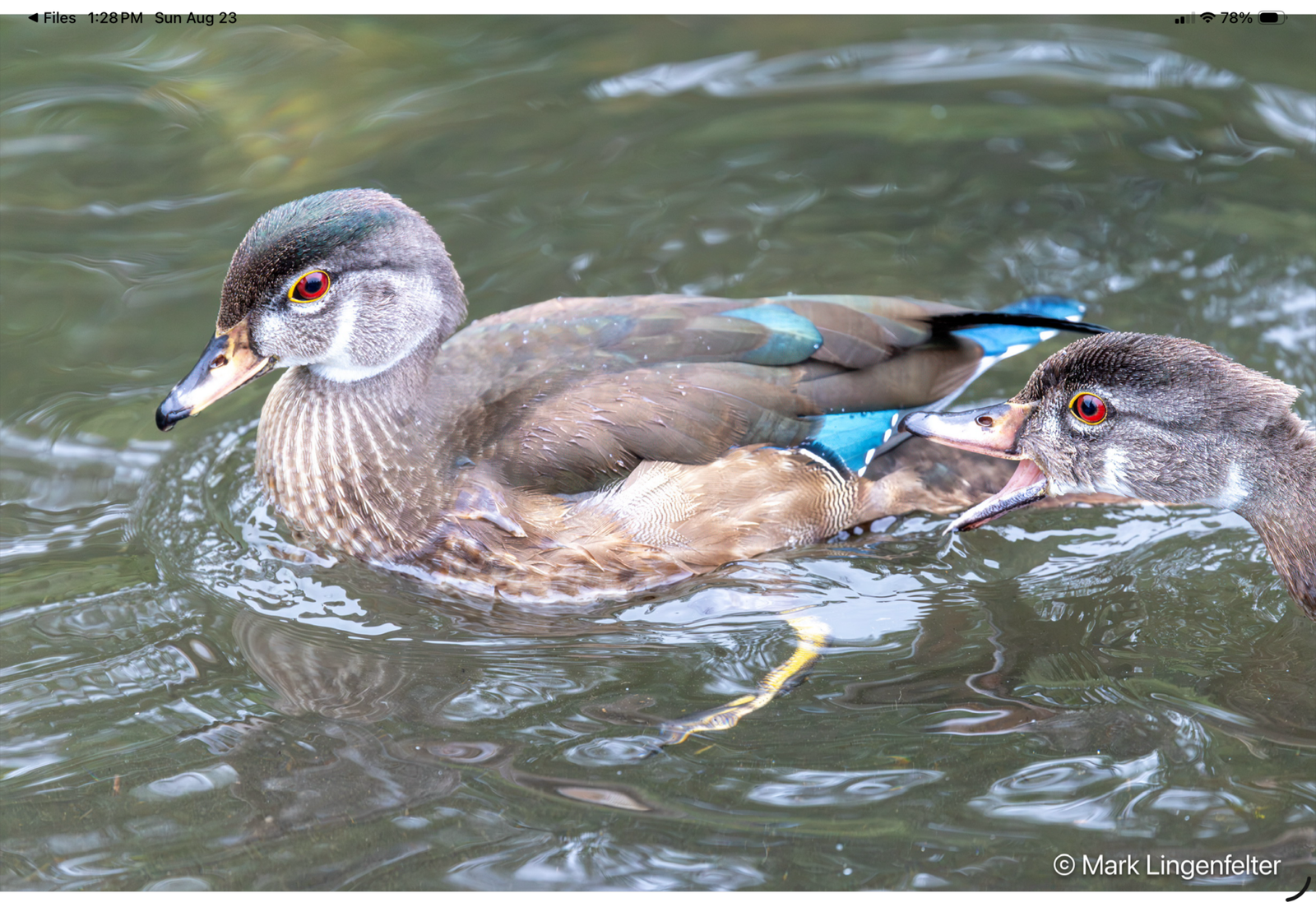
Wood Ducks in Door County Wisconsin.
Not what you expected in a Wood Duck male? The duck on the left is an eclipse male. An eclipse male wood duck is a male that sheds his bright breeding feathers in late summer for a dull, mottled brown coat. This temporary, female-like look gives him safety and camouflage while he molts his flight feathers and cannot fly. The male retains his bright bill and has red eyes making distinguishing between male and female fairly easy with a close up photo.

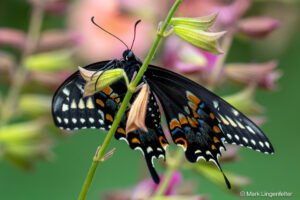
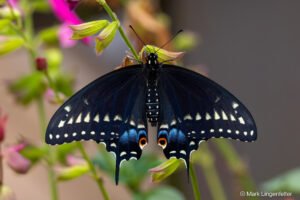
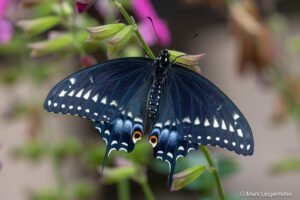
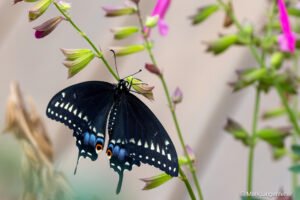
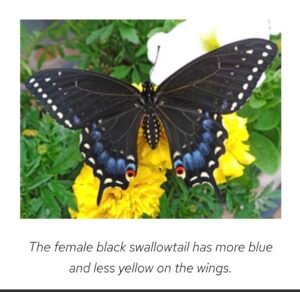
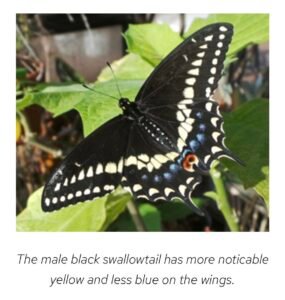
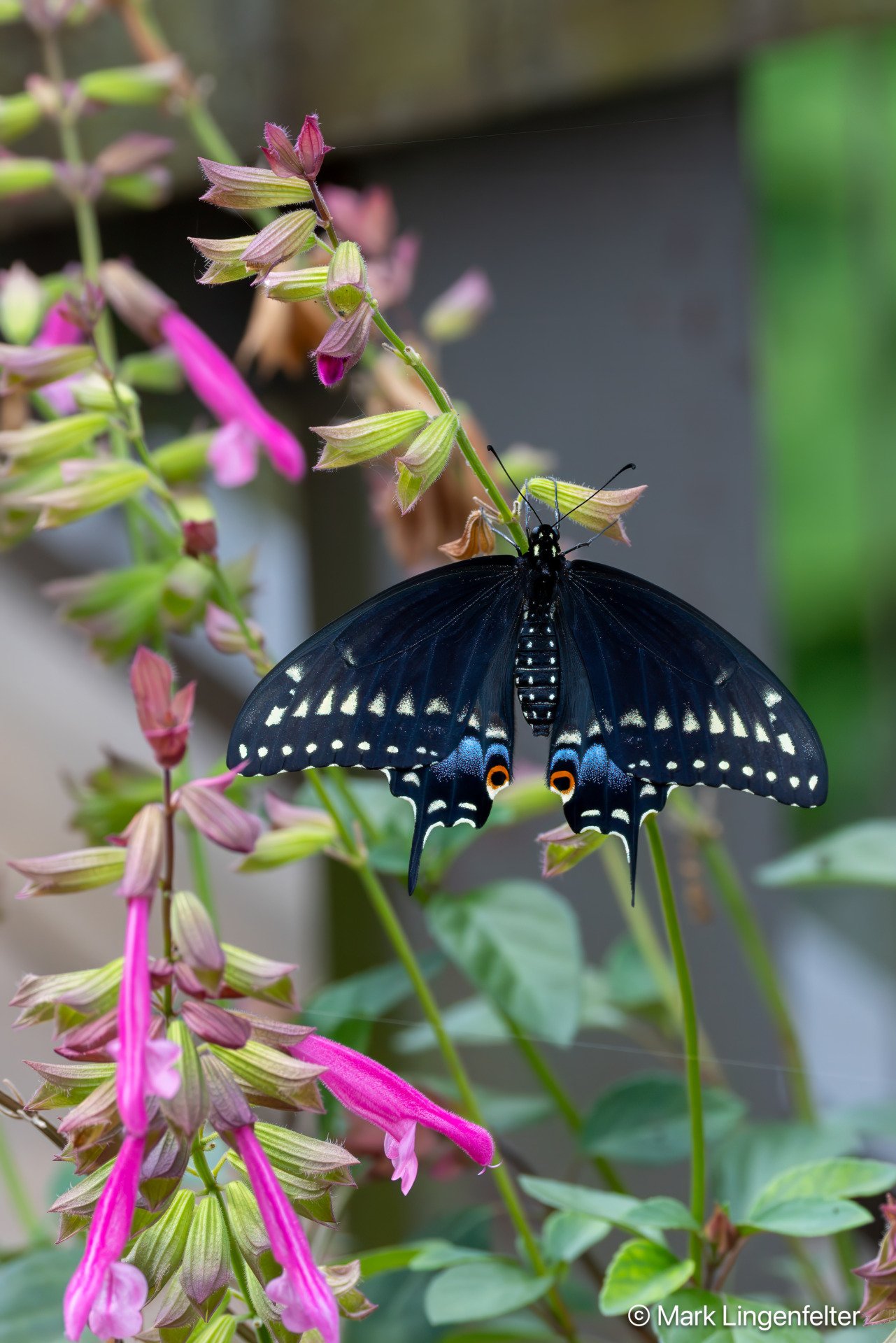
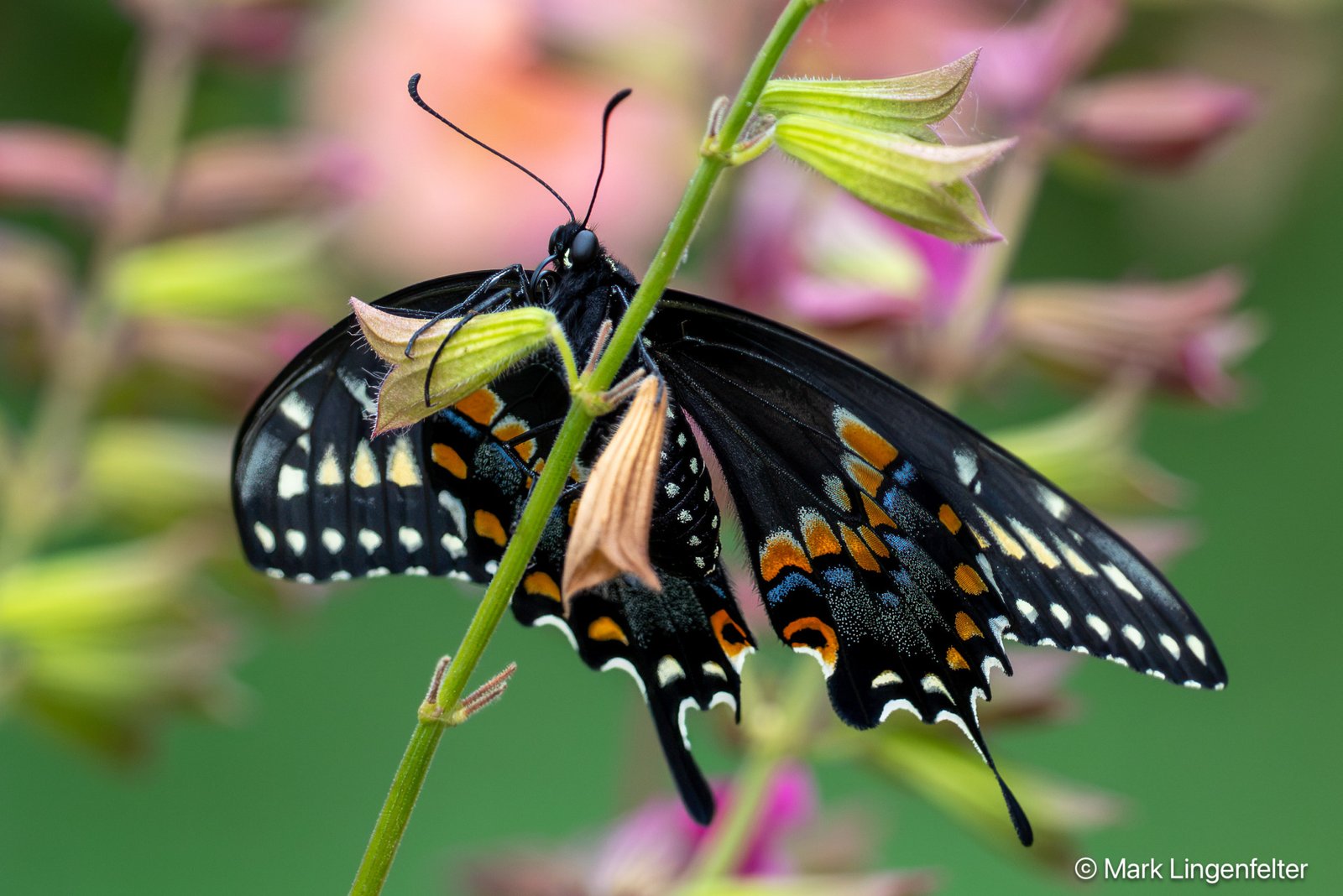
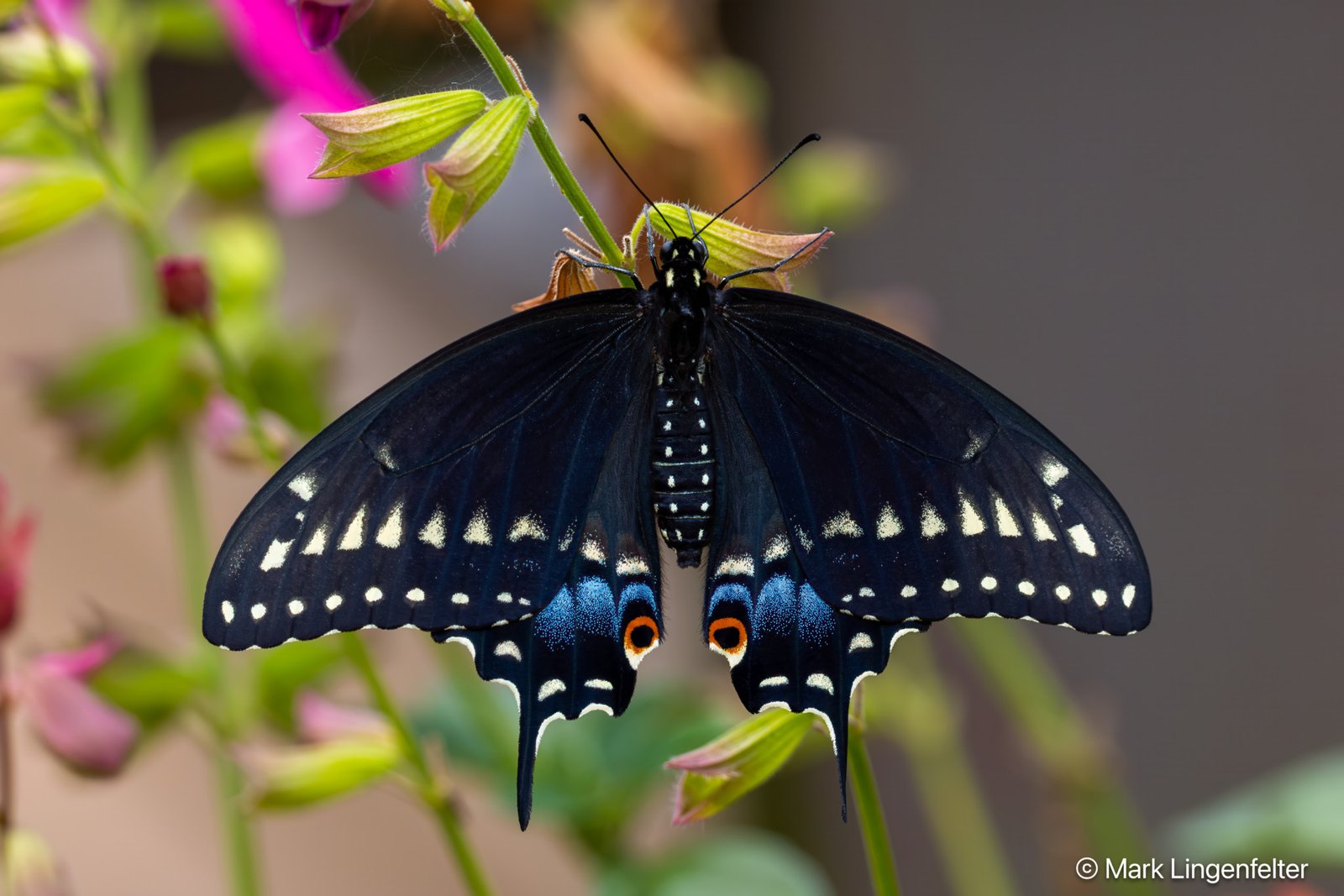
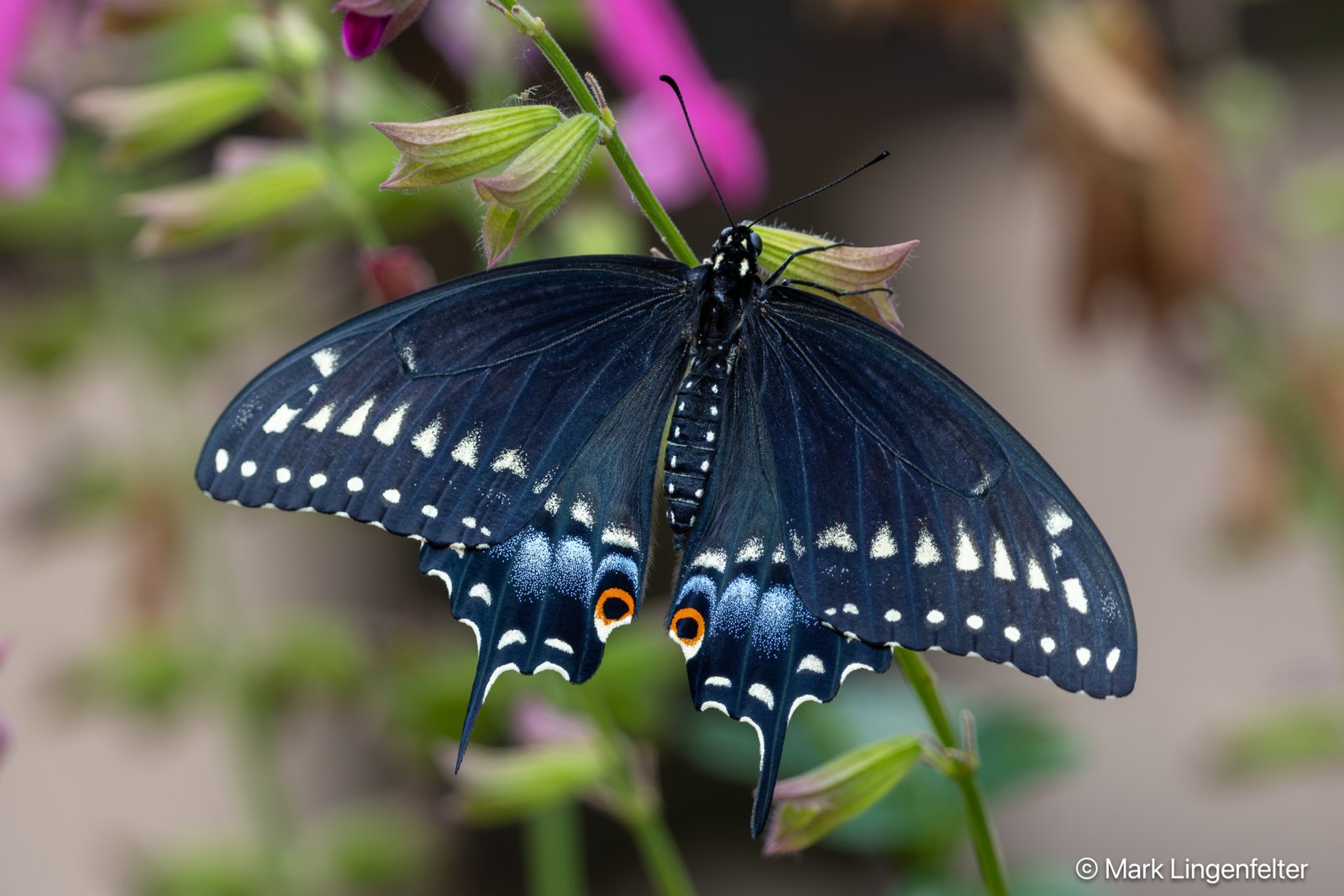
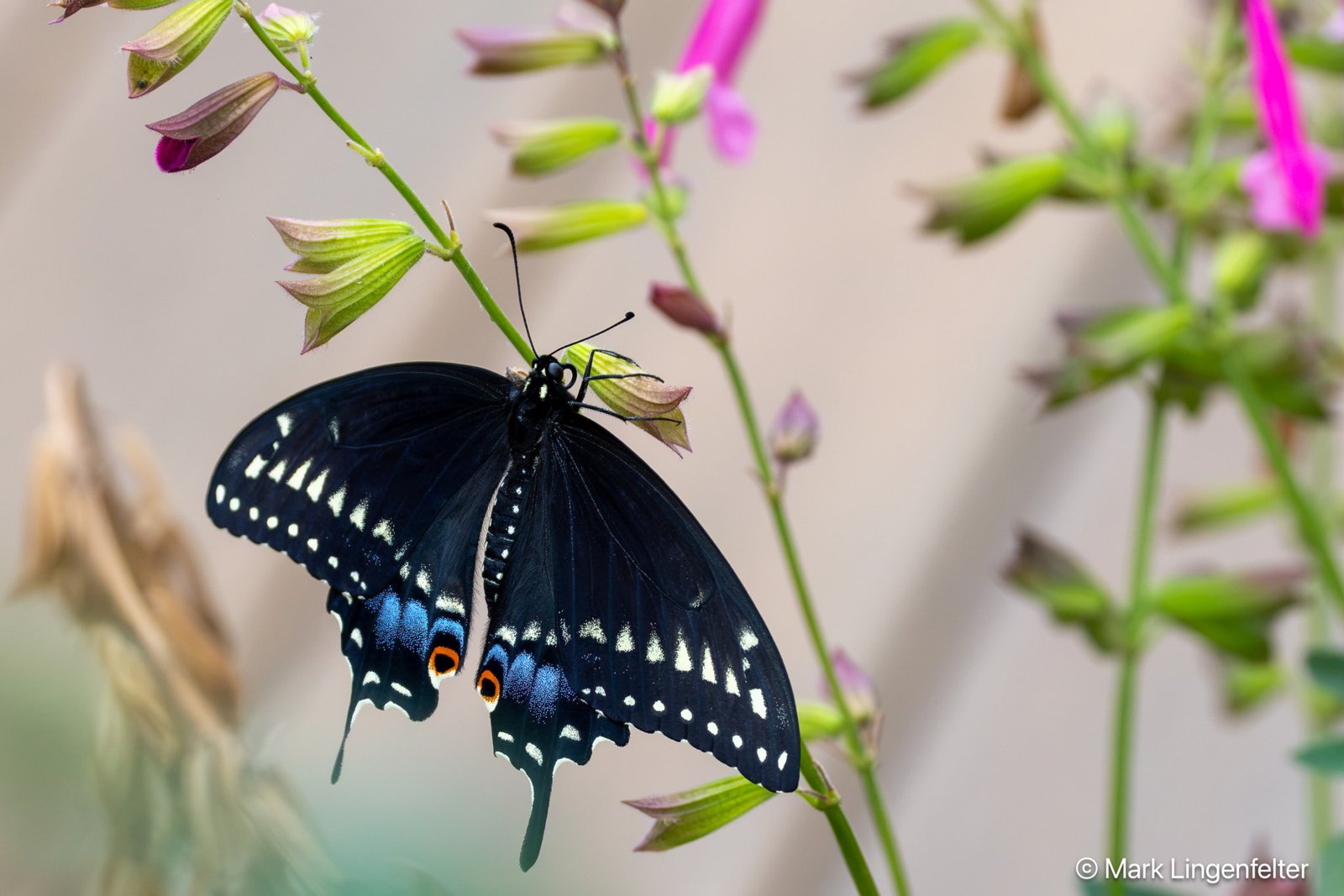
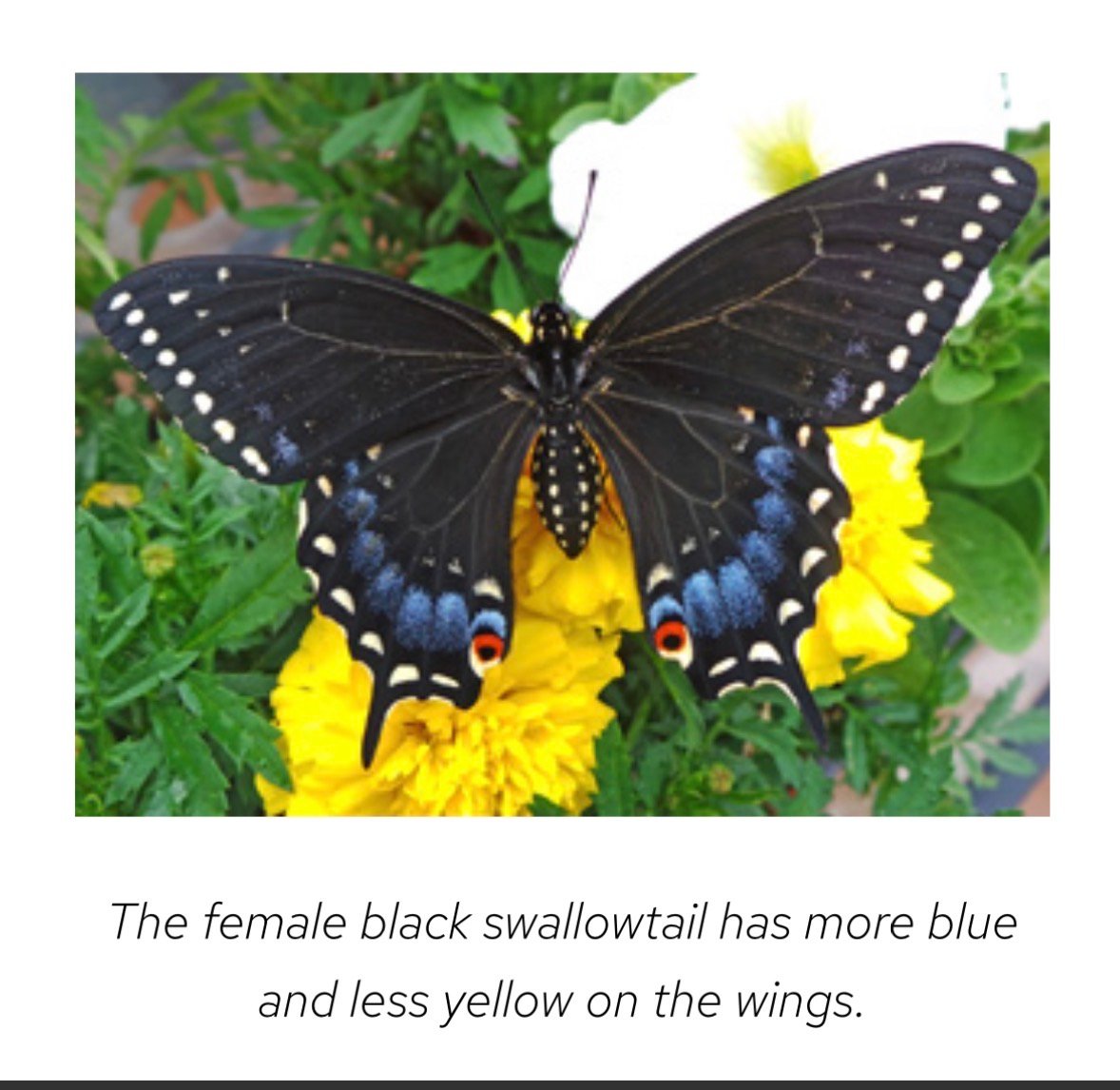
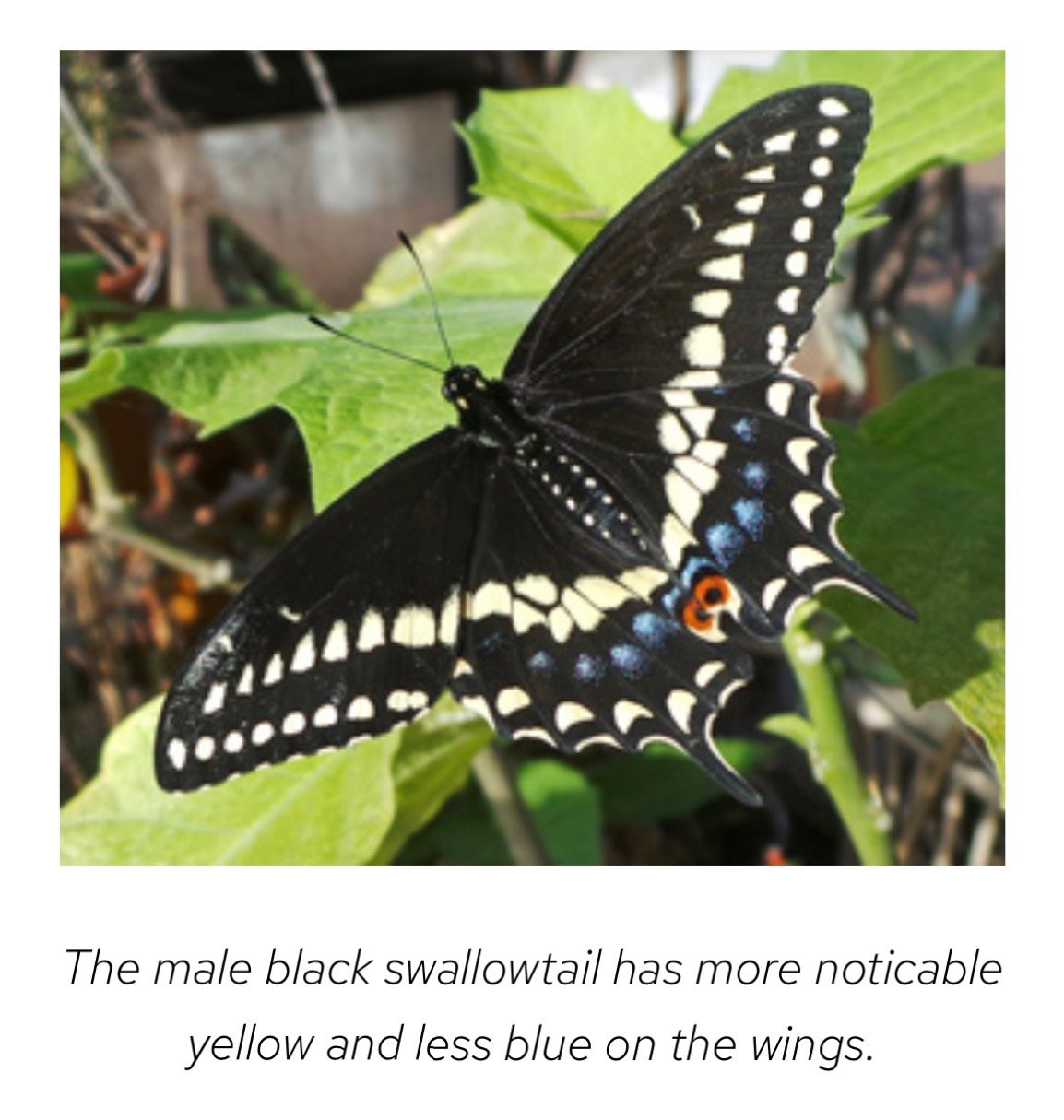
The black swallowtail – also called the eastern black swallowtail or American swallowtail and a variety of other colloquial names such as parsley worm – is a common butterfly found throughout much of North America. (University of Wisconsin). Females tend to be larger than the males, with a wingspan of 3¼ to 4¼ inches. The female black swallowtail has more blue and less yellow on the wings. Although black swallowtails are fairly easy to identify, they are most likely to be confused with the pipevine swallowtail (Battus philenor), which is black with an iridescent blue-green sheen and only faint white spots on the upper surface and has only a single row of spots below.



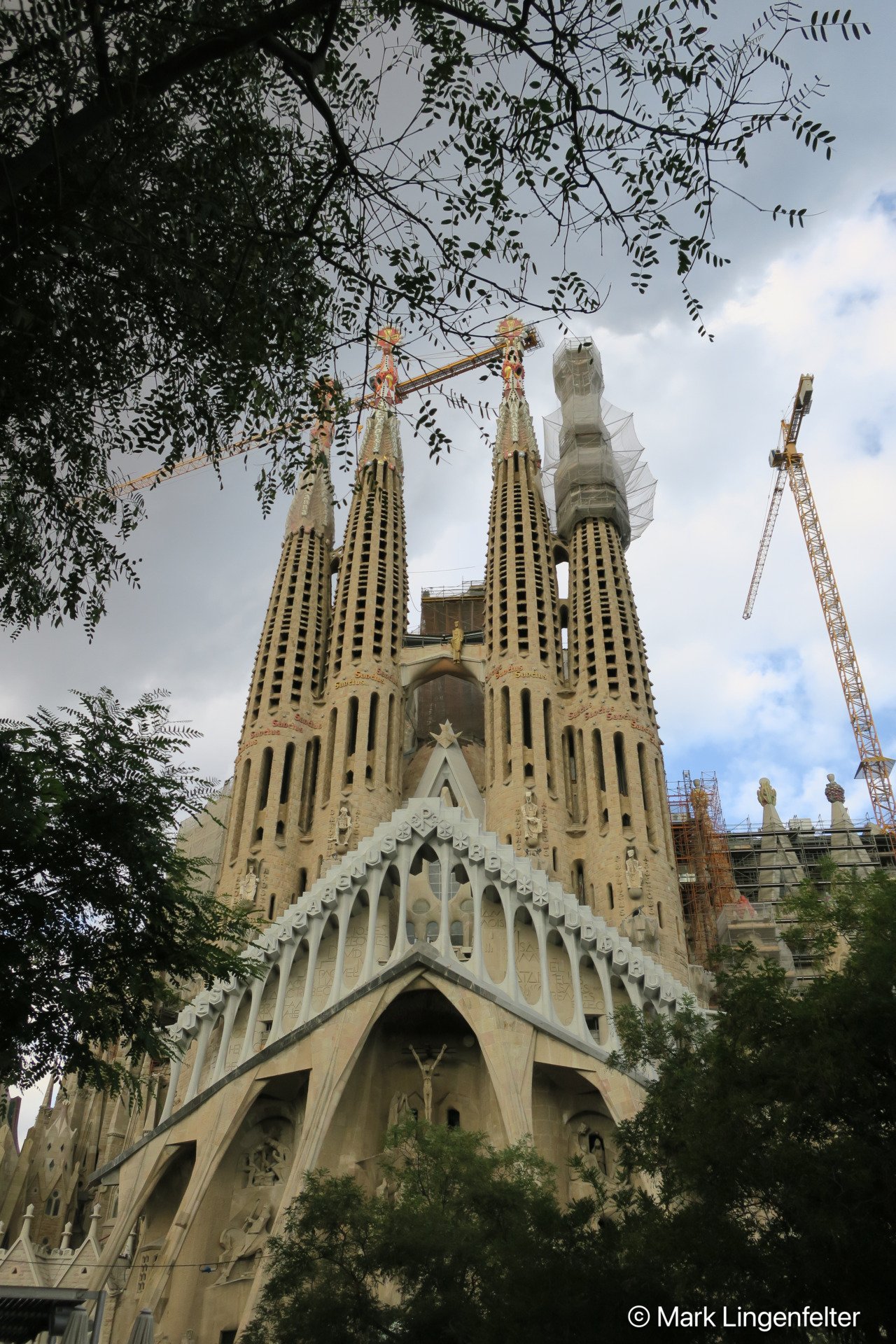
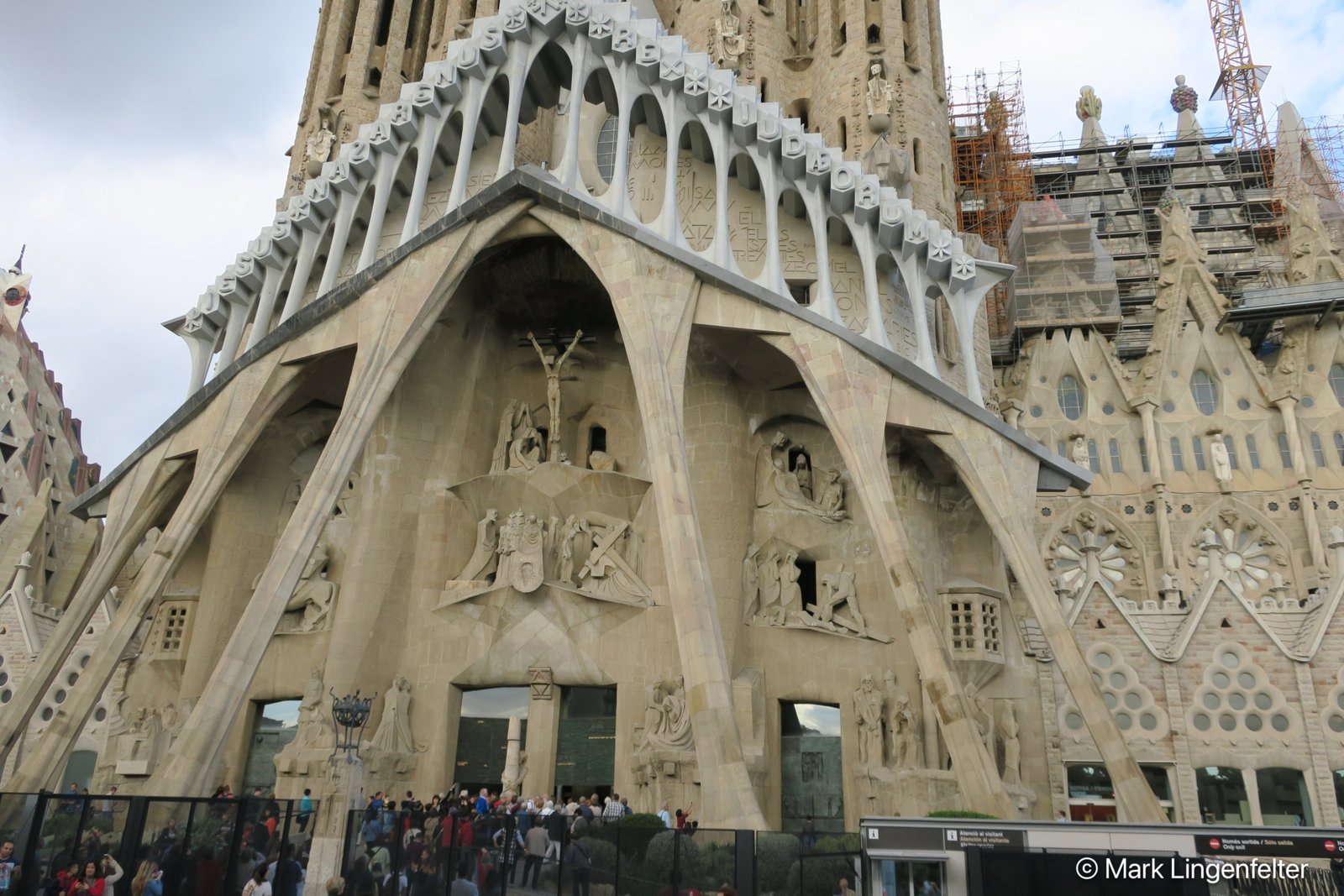
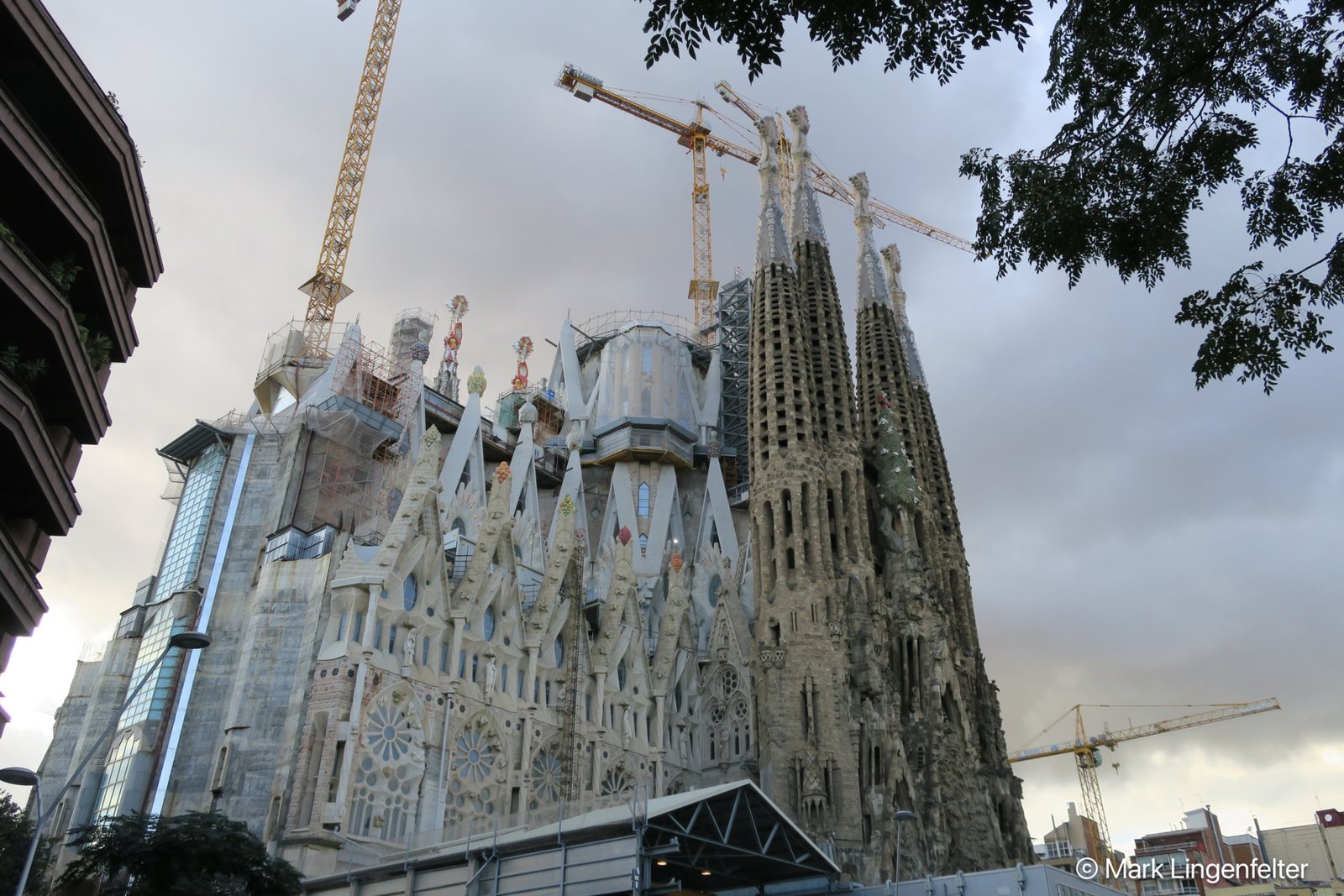
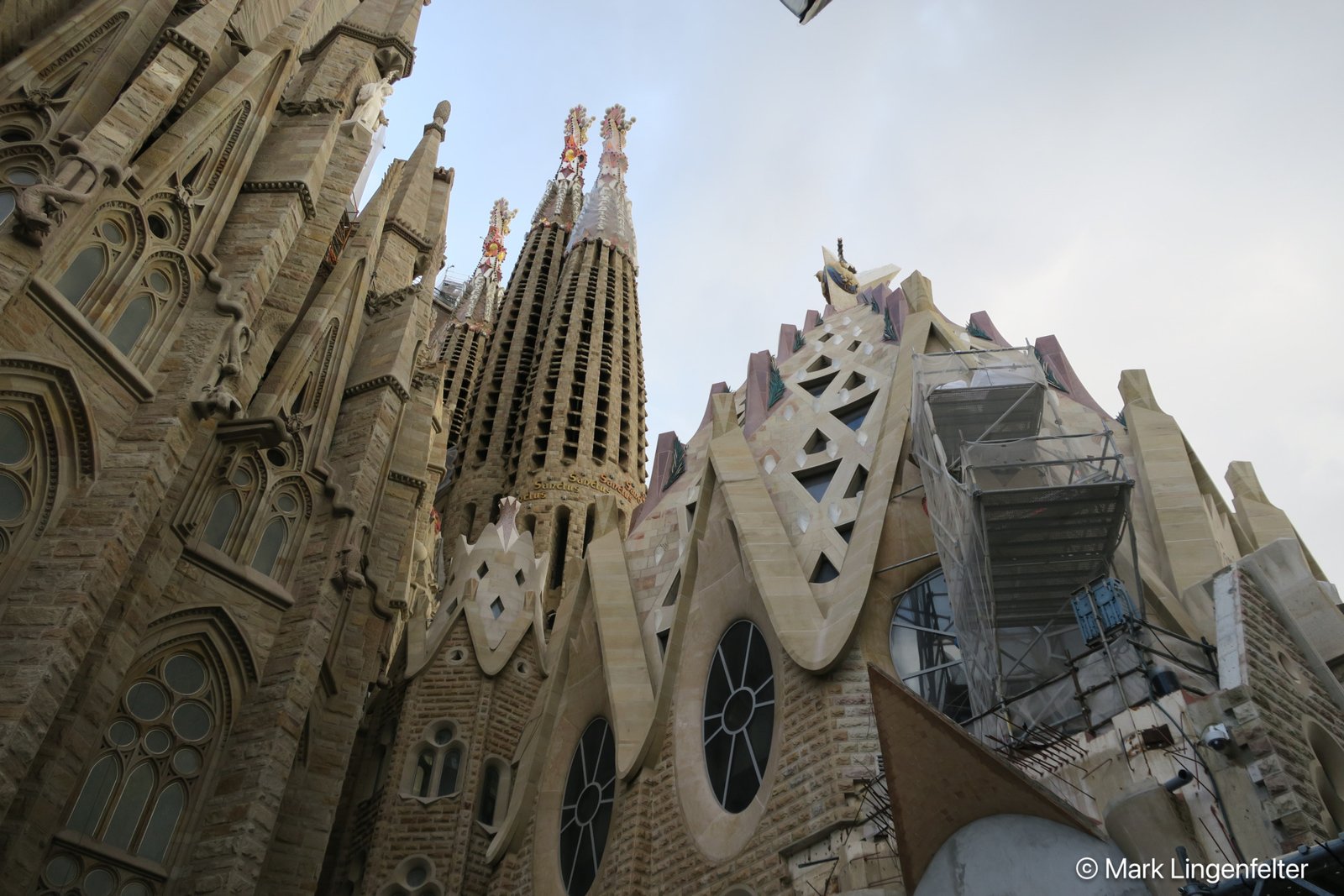
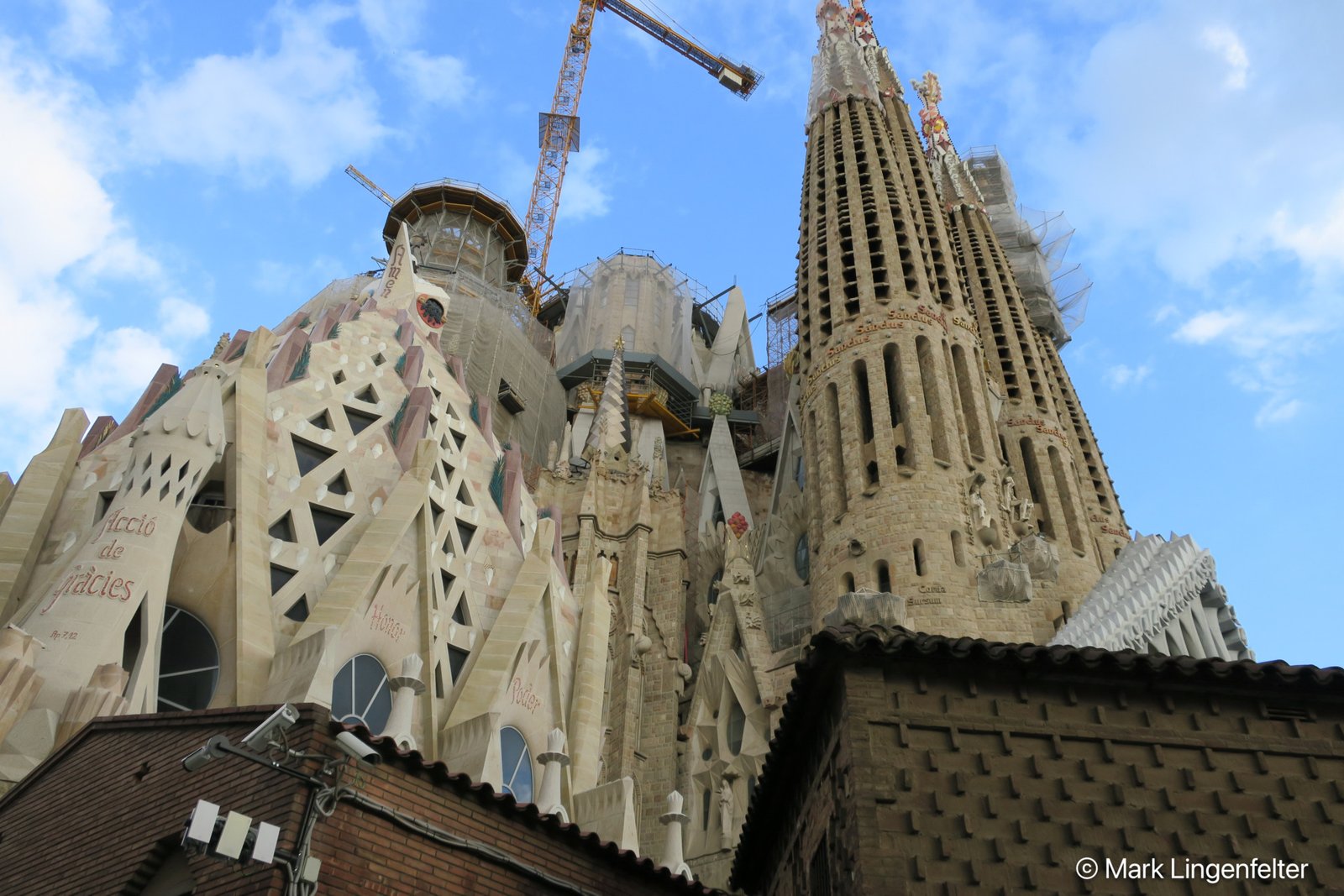
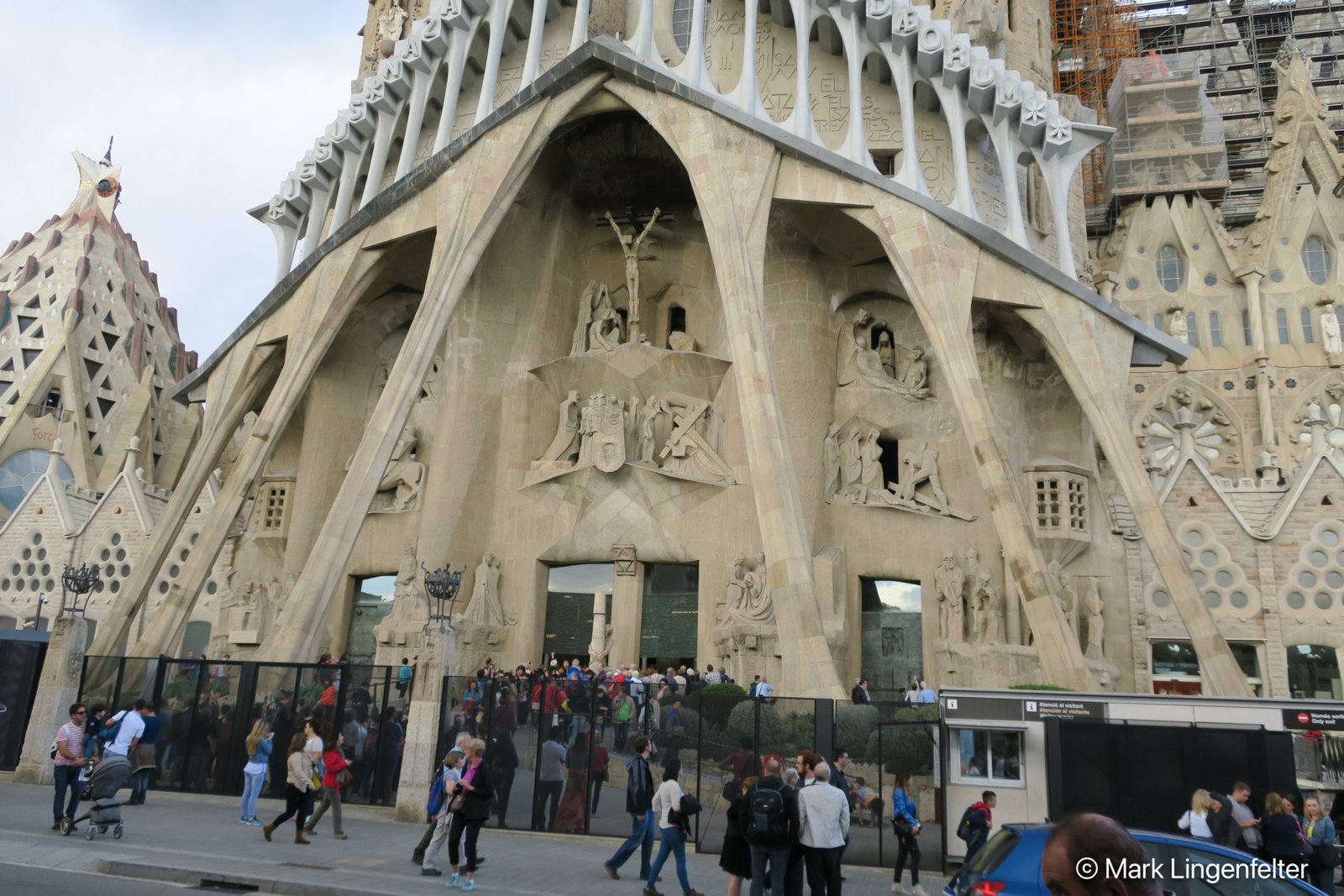
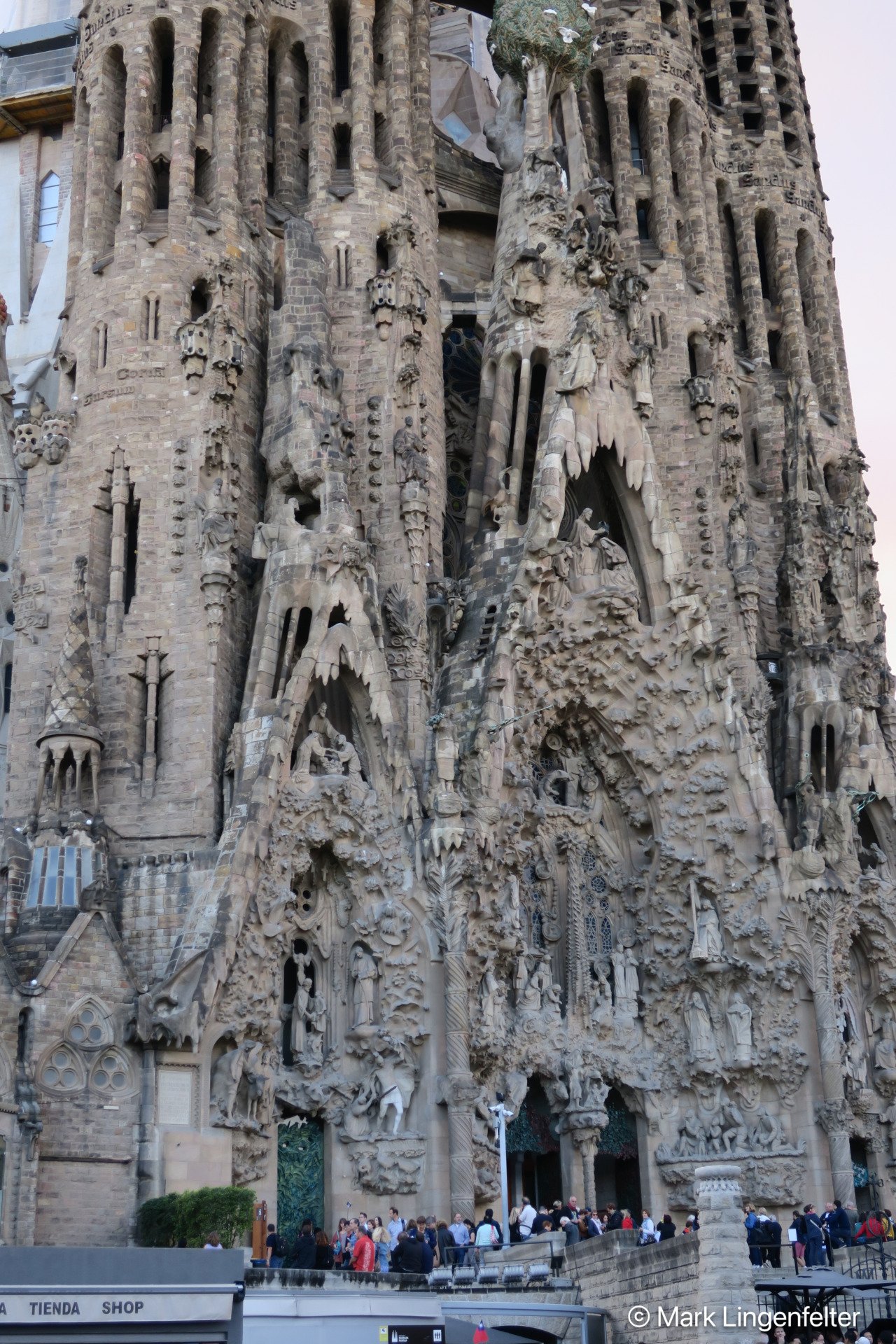
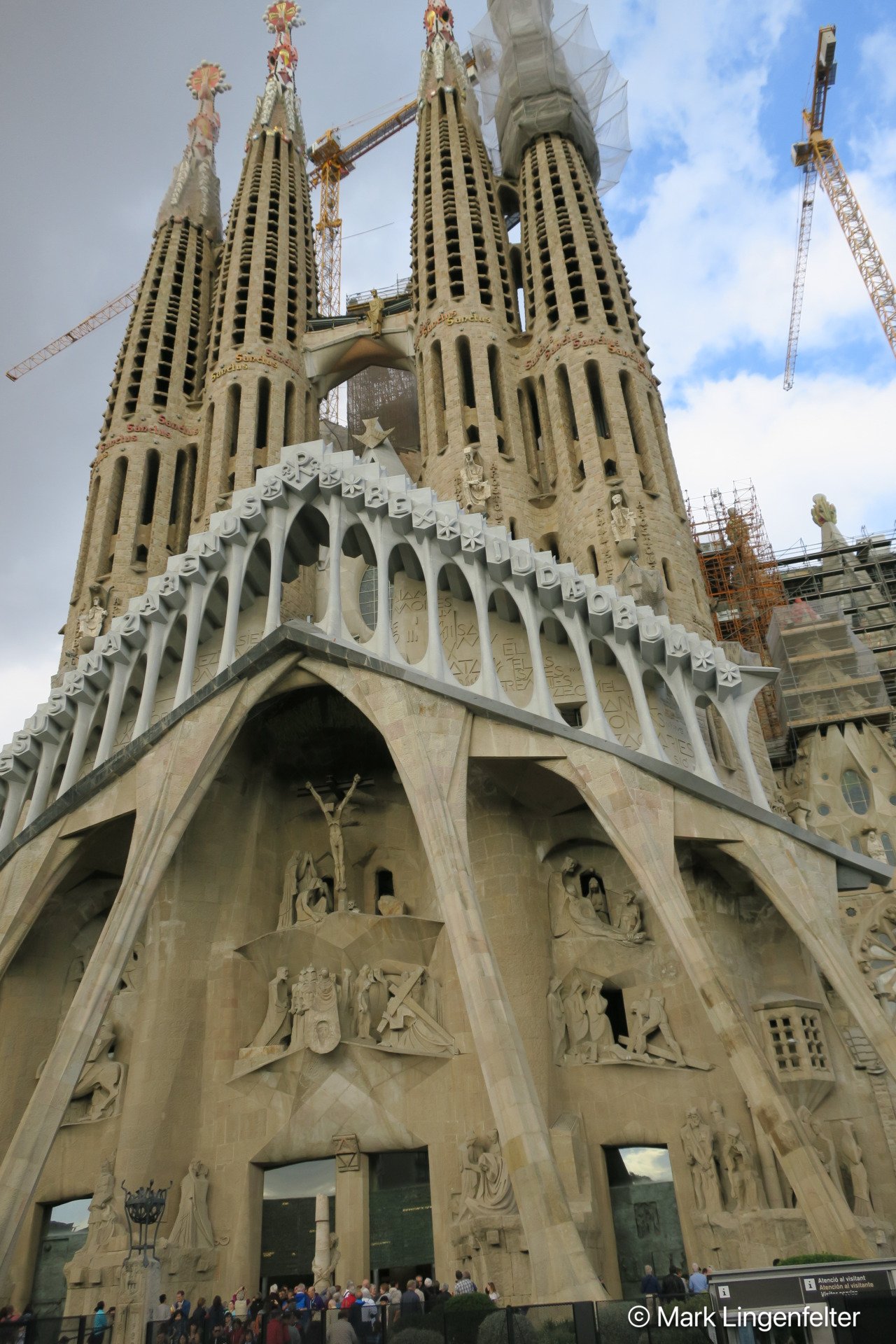
In English, Sagrada Família translates to Holy Family. It refers to the biblical family of Jesus Christ, the Virgin Mary, and Saint Joseph.
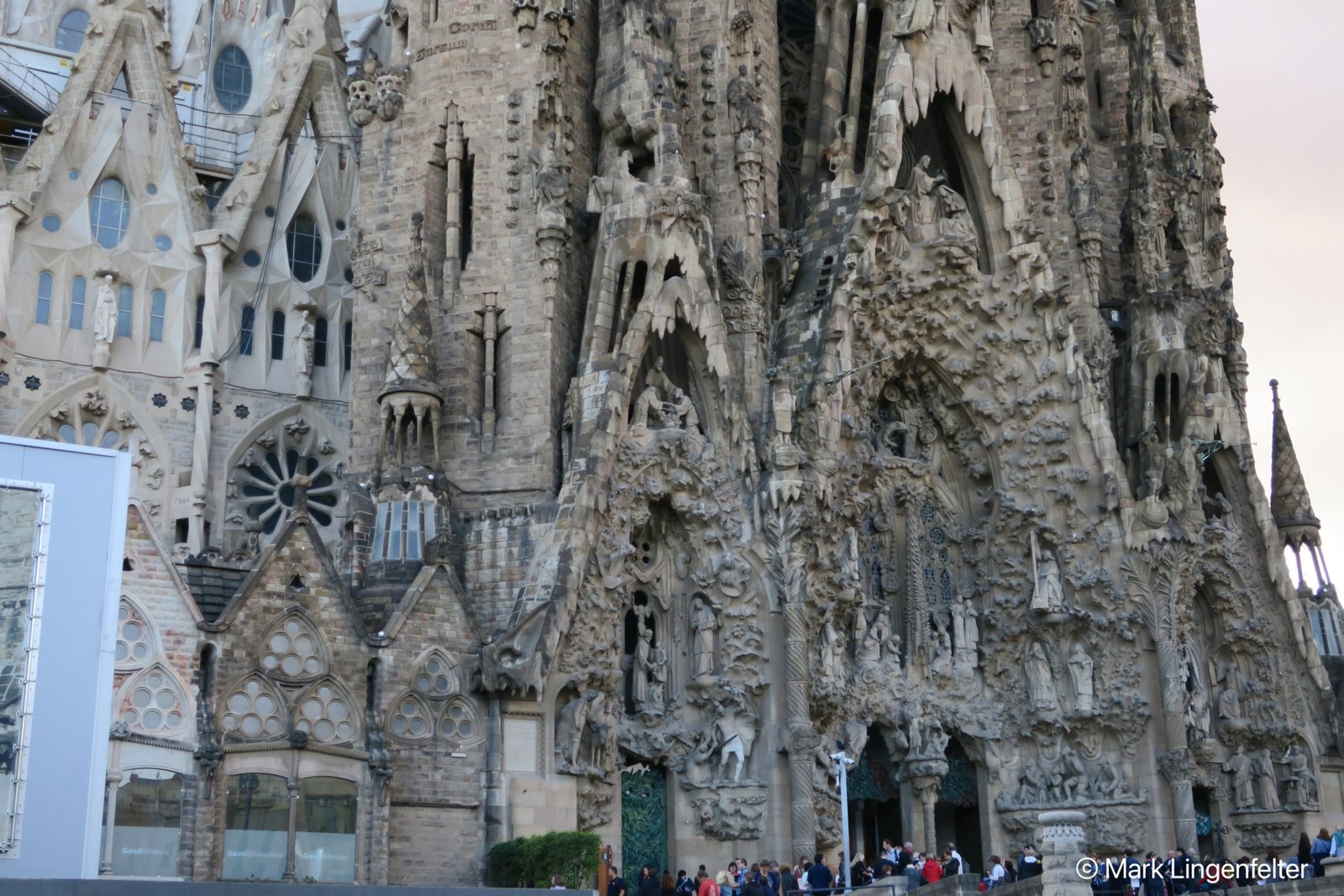
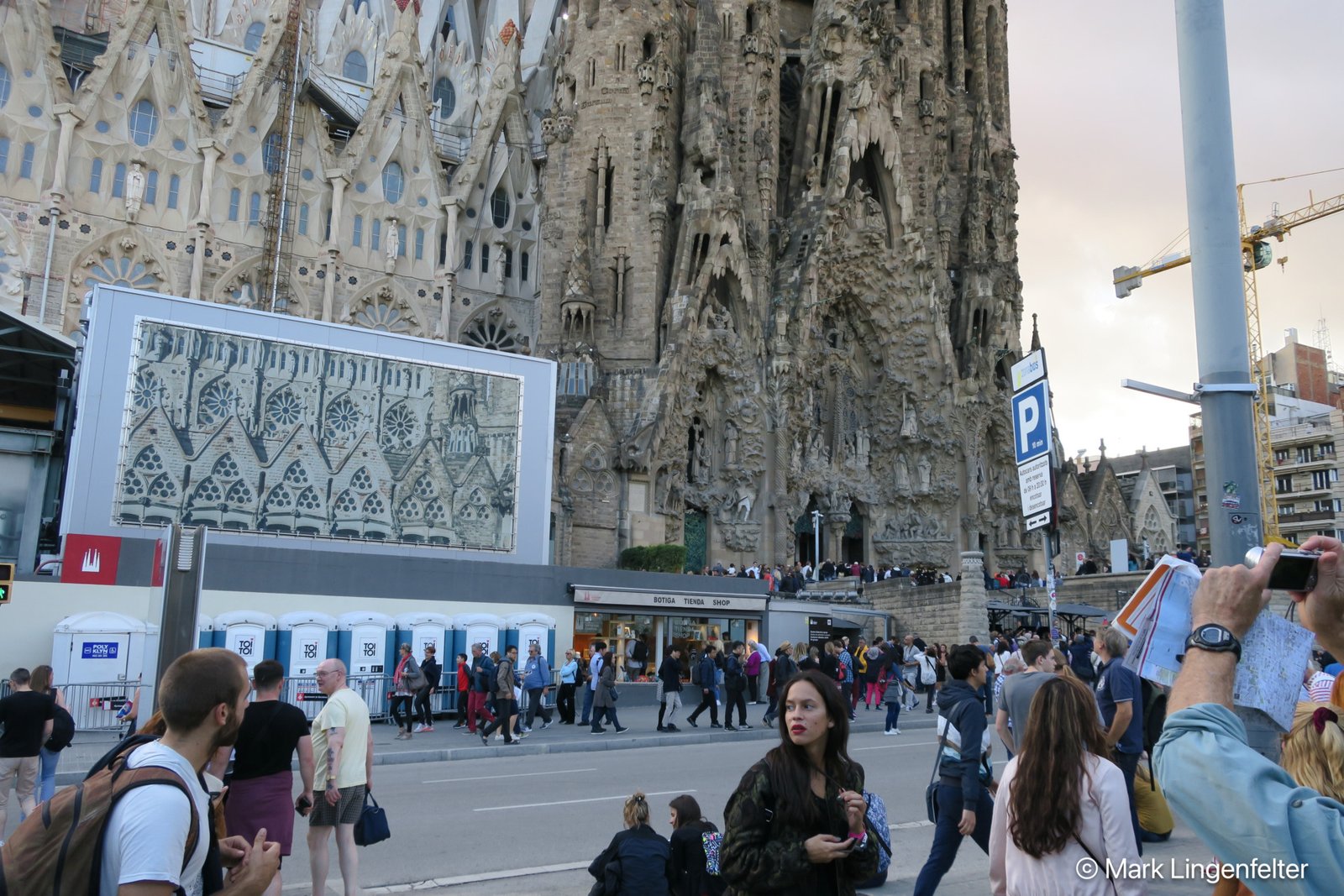
Designed by the visionary architect Antoni Gaudí, the Basilica of the Sagrada Família in Barcelona is a massive, ongoing construction project. Its name and every inch of its architectural design carry profound religious and symbolic meaning. Gaudi passed away 100 years ago this day of June 10.
The “Bible in Stone”
Gaudí designed the basilica to function as a visual theology. Every element represents a different aspect of the Catholic faith:
The Harmony of Nature and Divinity
Gaudí’s design sought to intertwine the divine with the natural world.
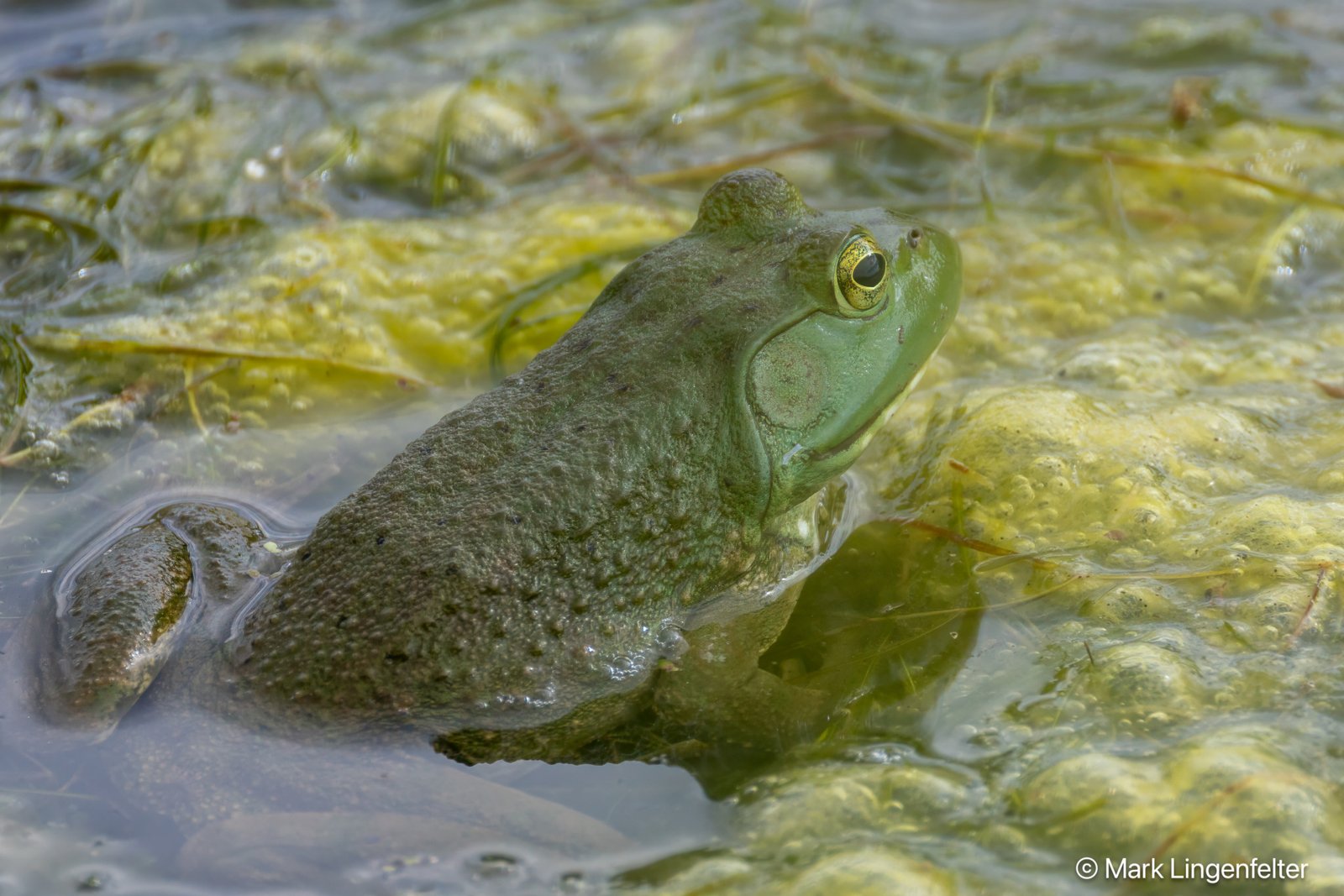
I asked ChatGPT to Identify:
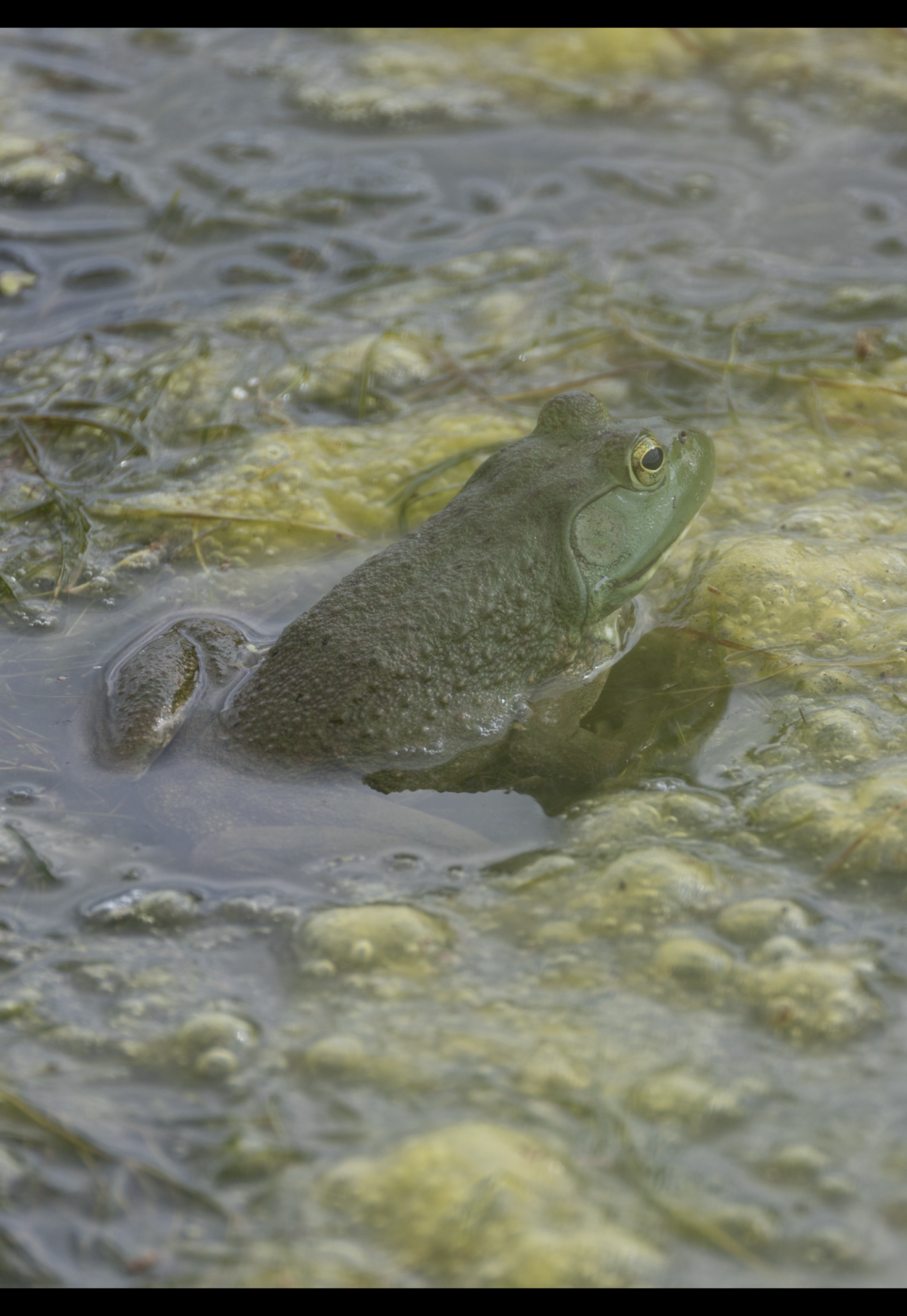
This appears to be an American Bullfrog (American Bullfrog), likely an adult.
Key features visible in your photo:
The photo may show a male, as the tympanum appears quite large relative to the eye. In bullfrogs, males typically have tympana larger than their eyes, while females’ tympana are about the same size.
Nebraska fits very well with American Bullfrog (American Bullfrog), which is widespread throughout the state in ponds, lakes, marshes, and slow-moving streams.
Looking more closely at your photo:
One interesting detail is the foam and water around the frog. Bullfrogs often sit partially submerged like this during the breeding season, and males may remain near egg masses or breeding areas.
I’m about 90–95% confident this is an American Bullfrog.
For context, the other large Nebraska frogs it might be confused with are:
Your frog lacks the spotting pattern of leopard frogs and the ridges of a green frog, which strongly points to a bullfrog.
A rough estimate from the proportions in the image is that this individual may be 6–8 inches (15–20 cm) long, making it a fairly large adult.
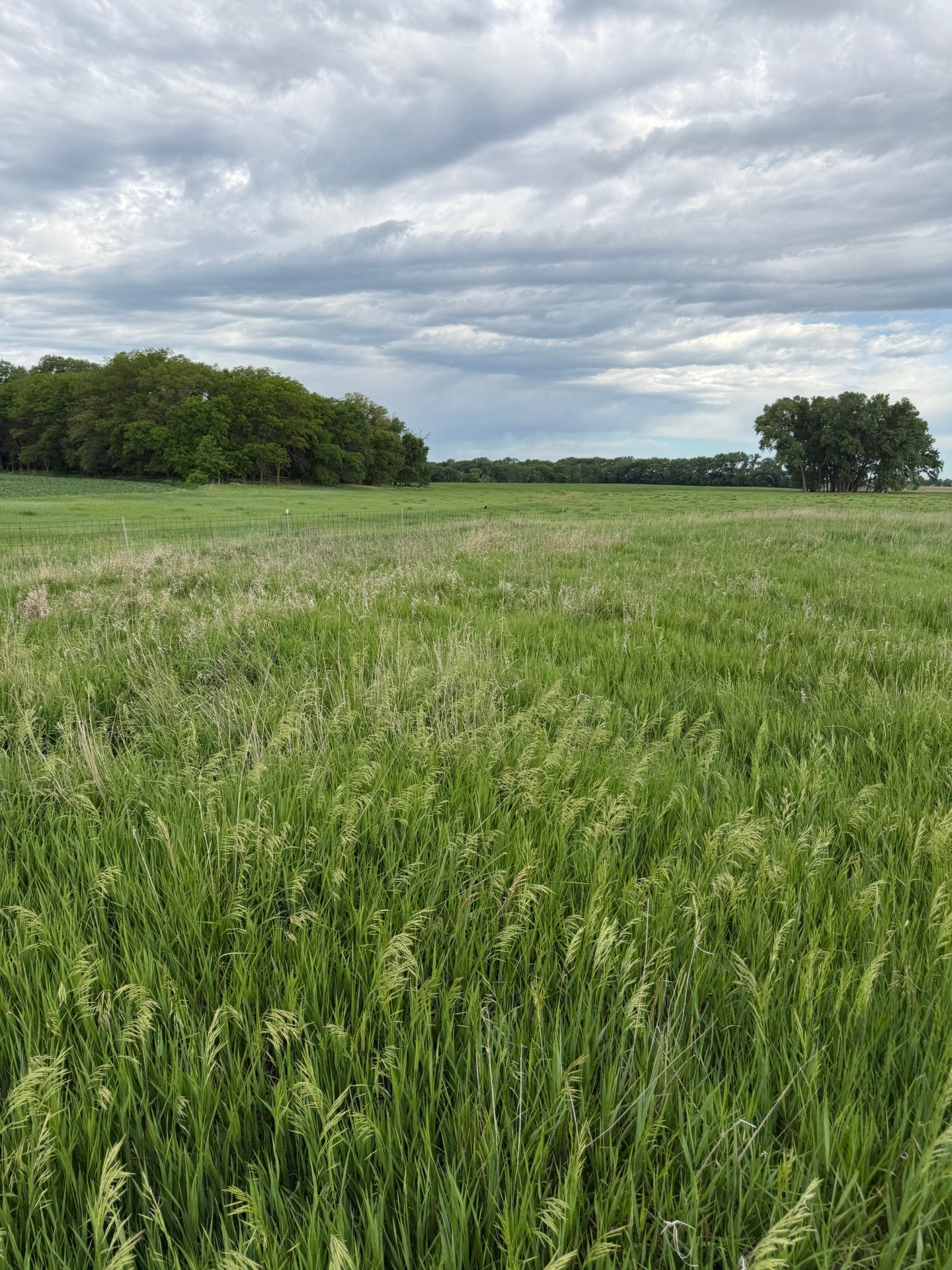
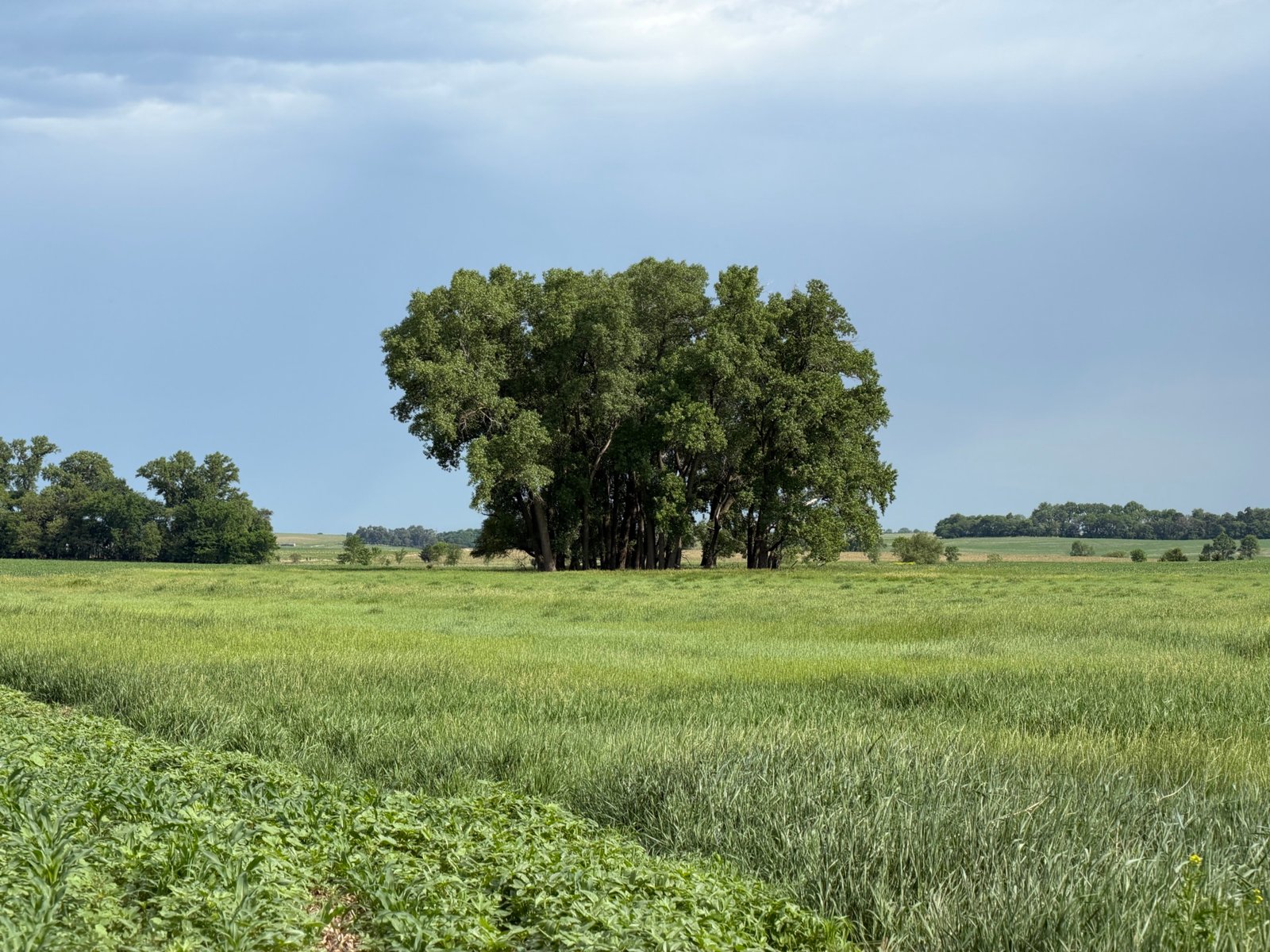
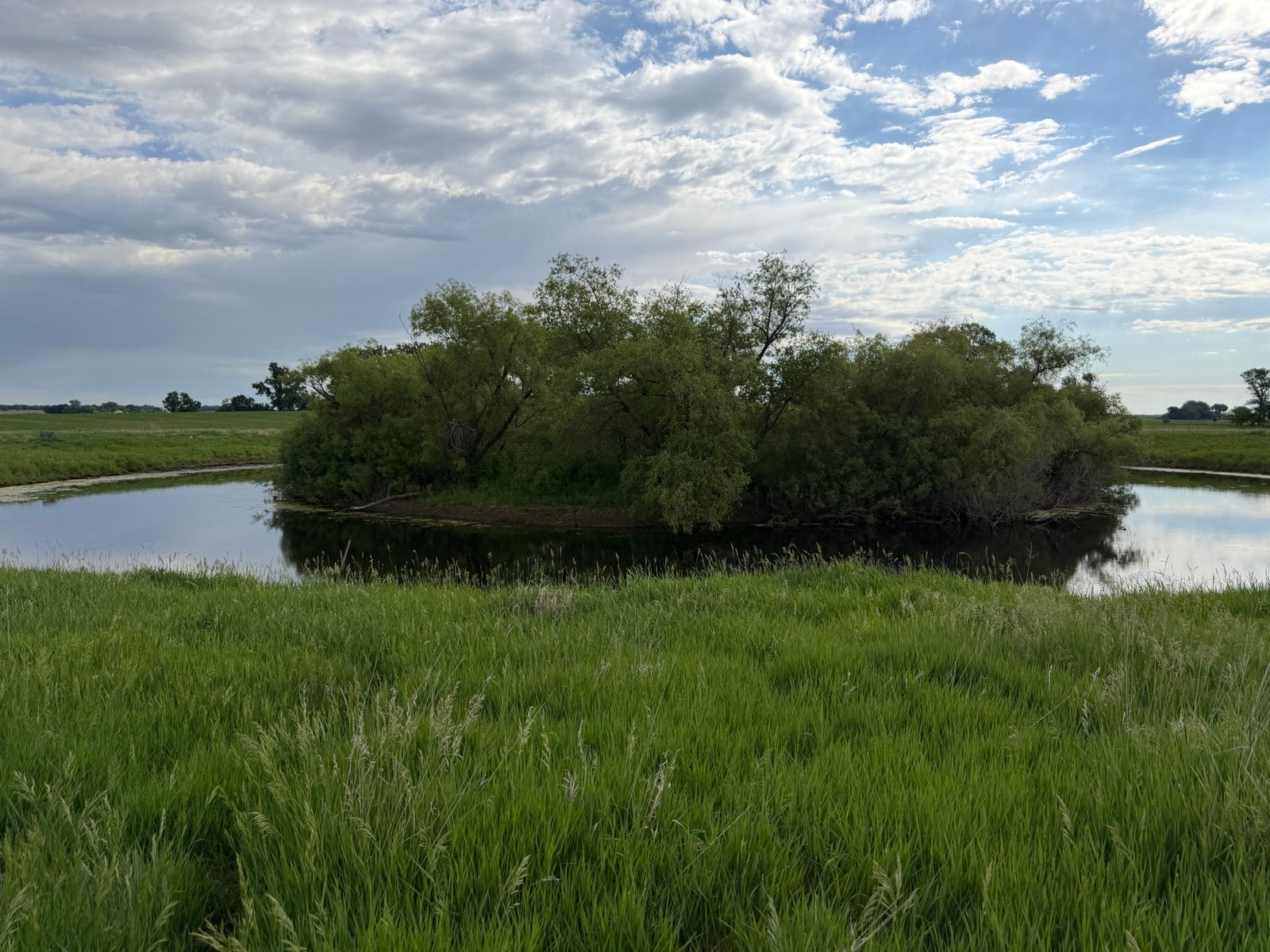
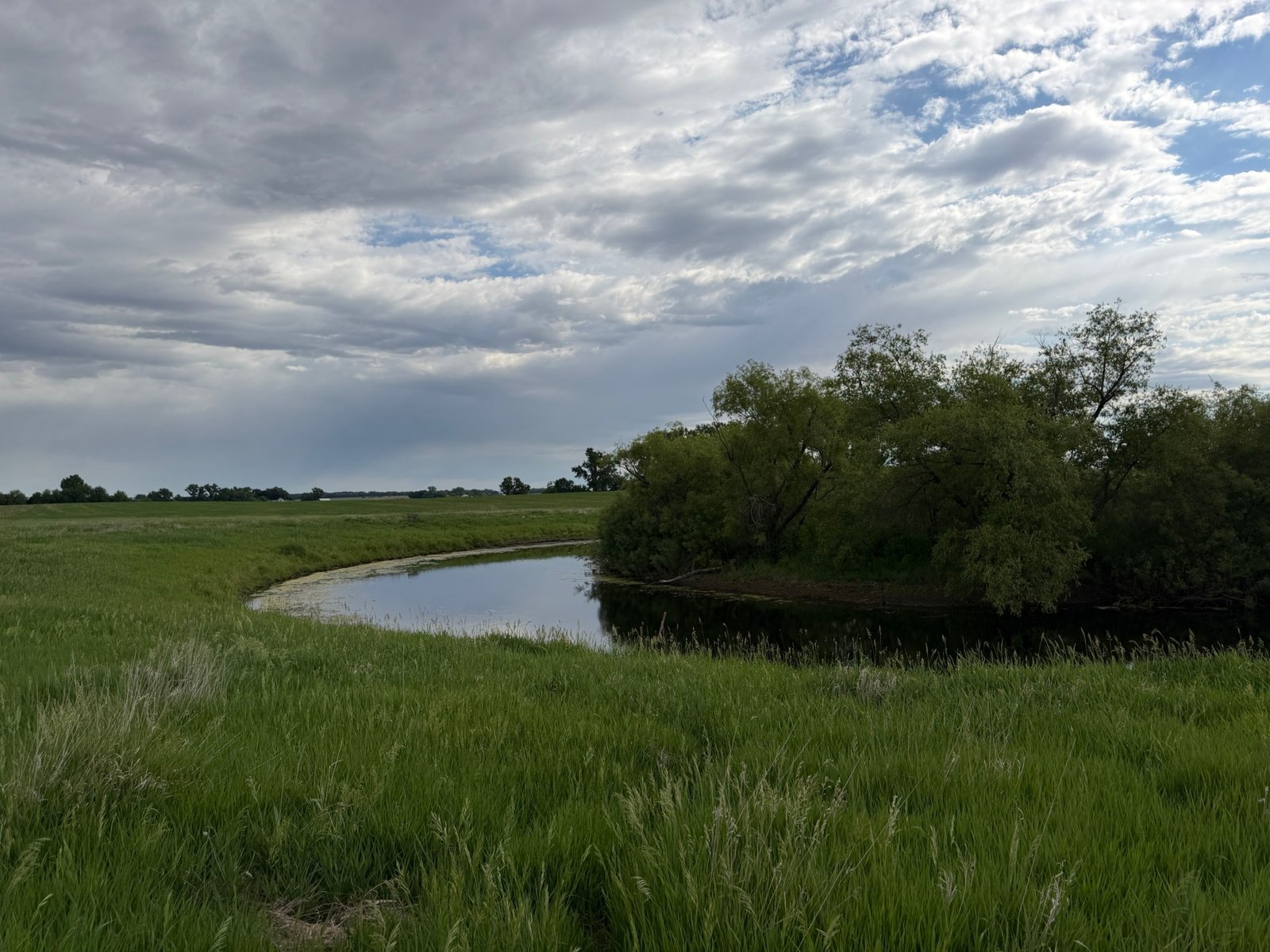
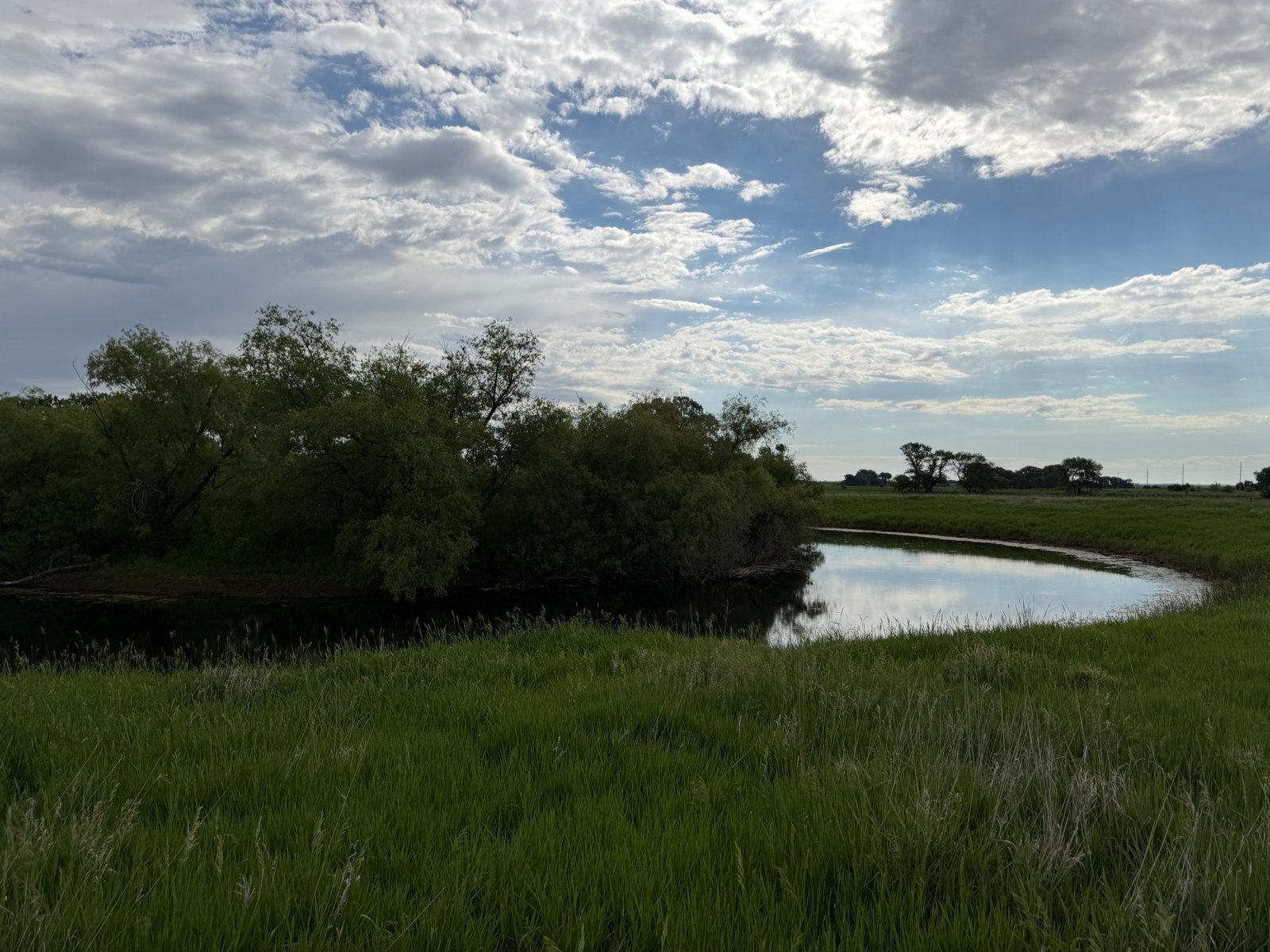
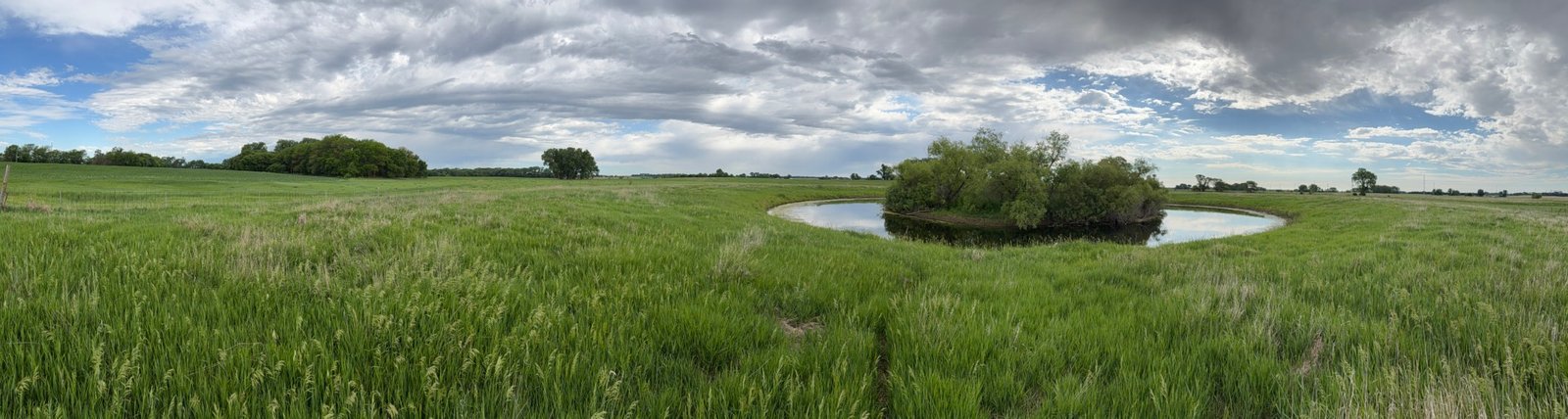
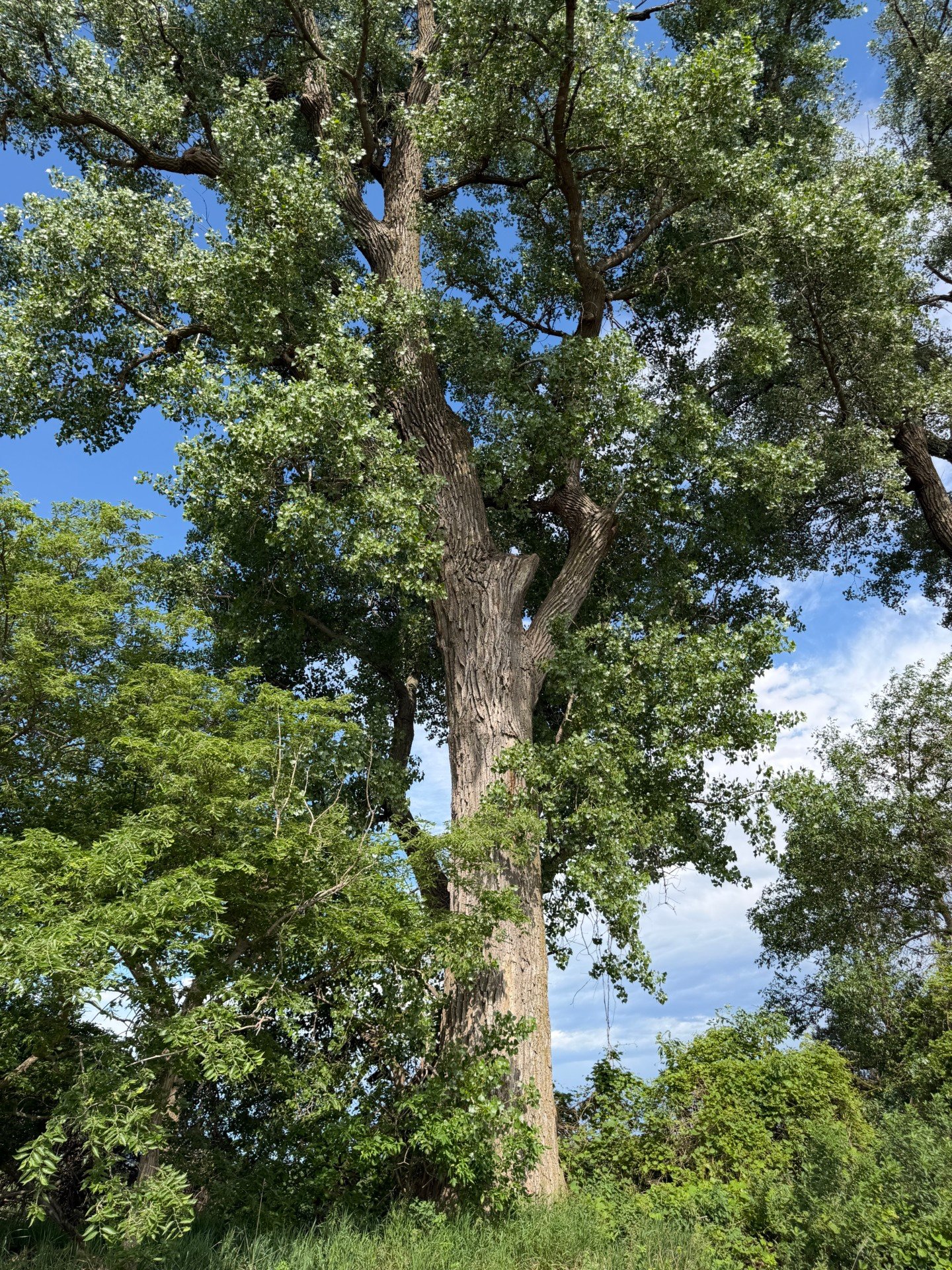
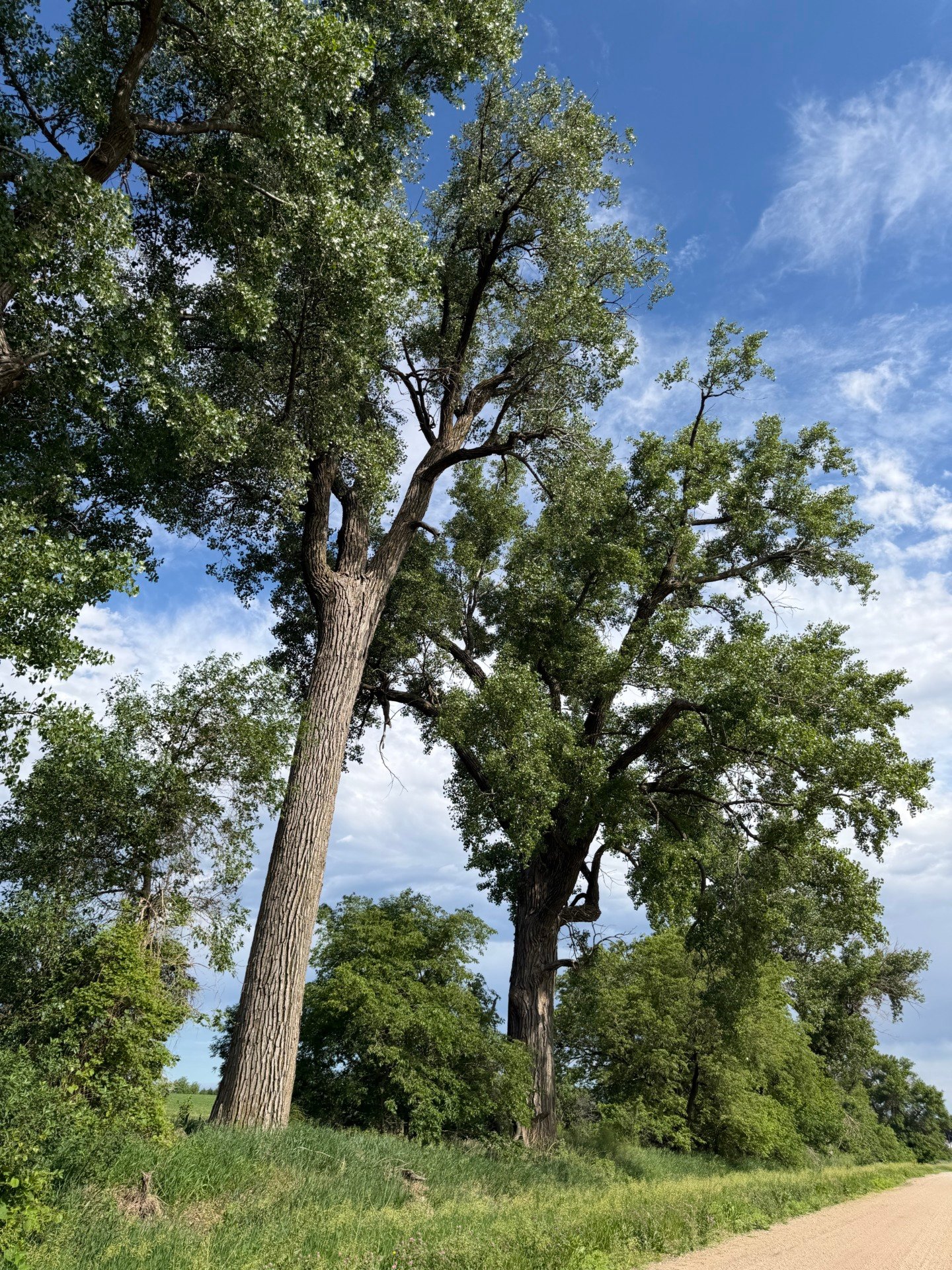
Our family has called the Homeplace the farm my grandparents lived on and farmed, raising their children in Nebraska. A homeplace is a person’s birthplace, their original family home, or the specific plot of land where their family roots lie. More than just a physical house, it refers to the property, the surrounding grounds, and the emotional or cultural connection to your ancestral heritage. Thus stated by Merriam Webster. I thank my cousin Trish for doing such a great job keeping it as wild and full of trees and wildlife.
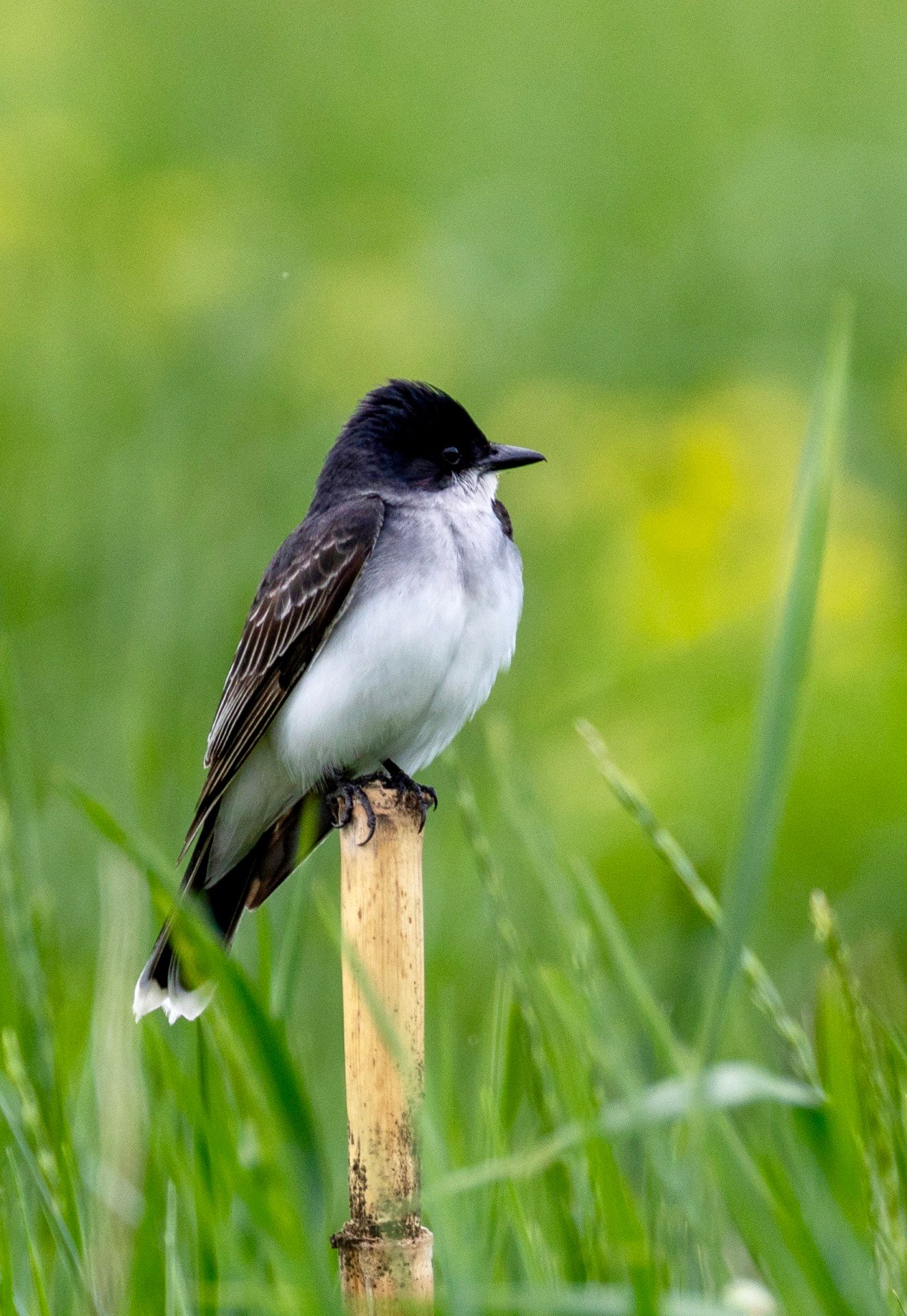
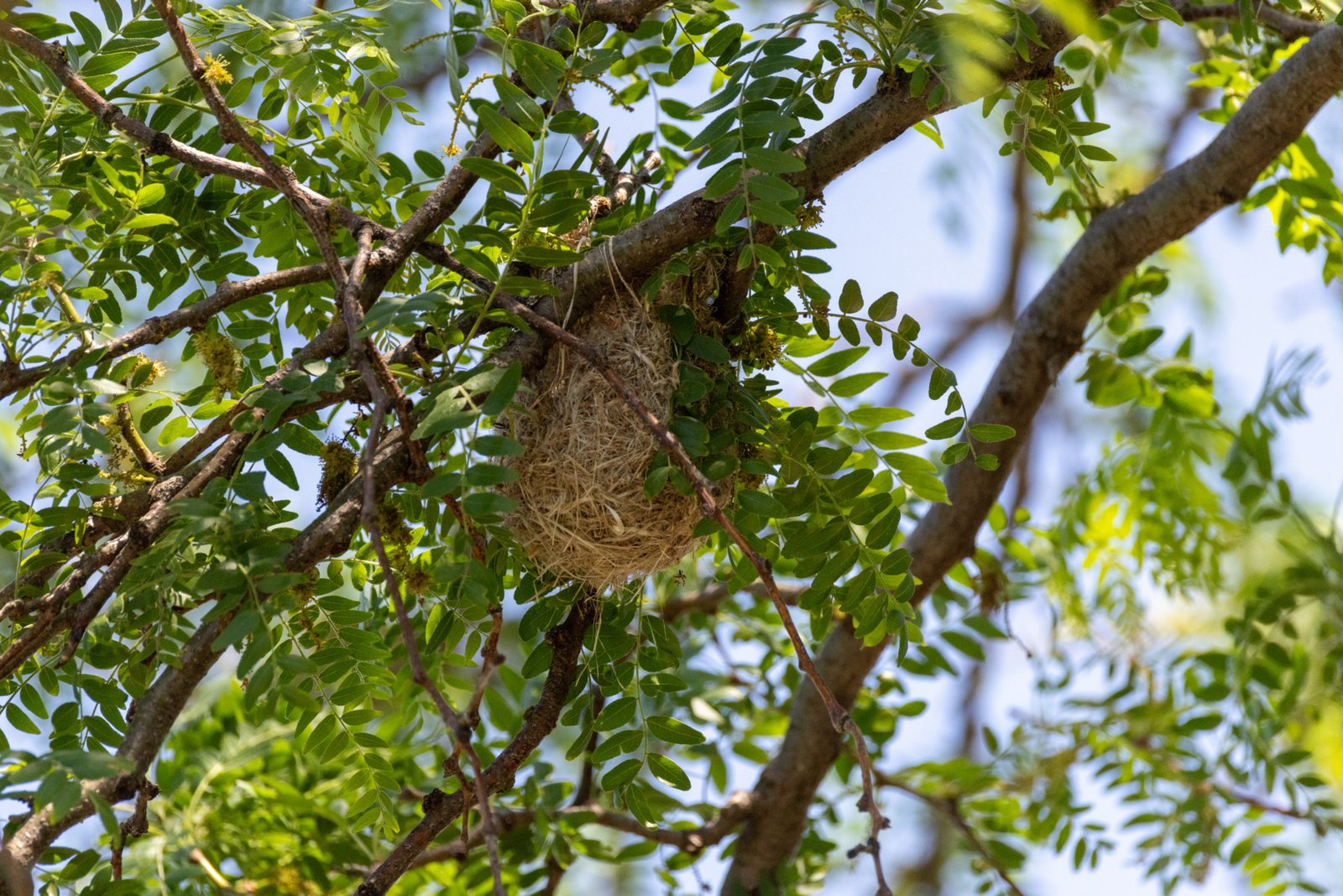
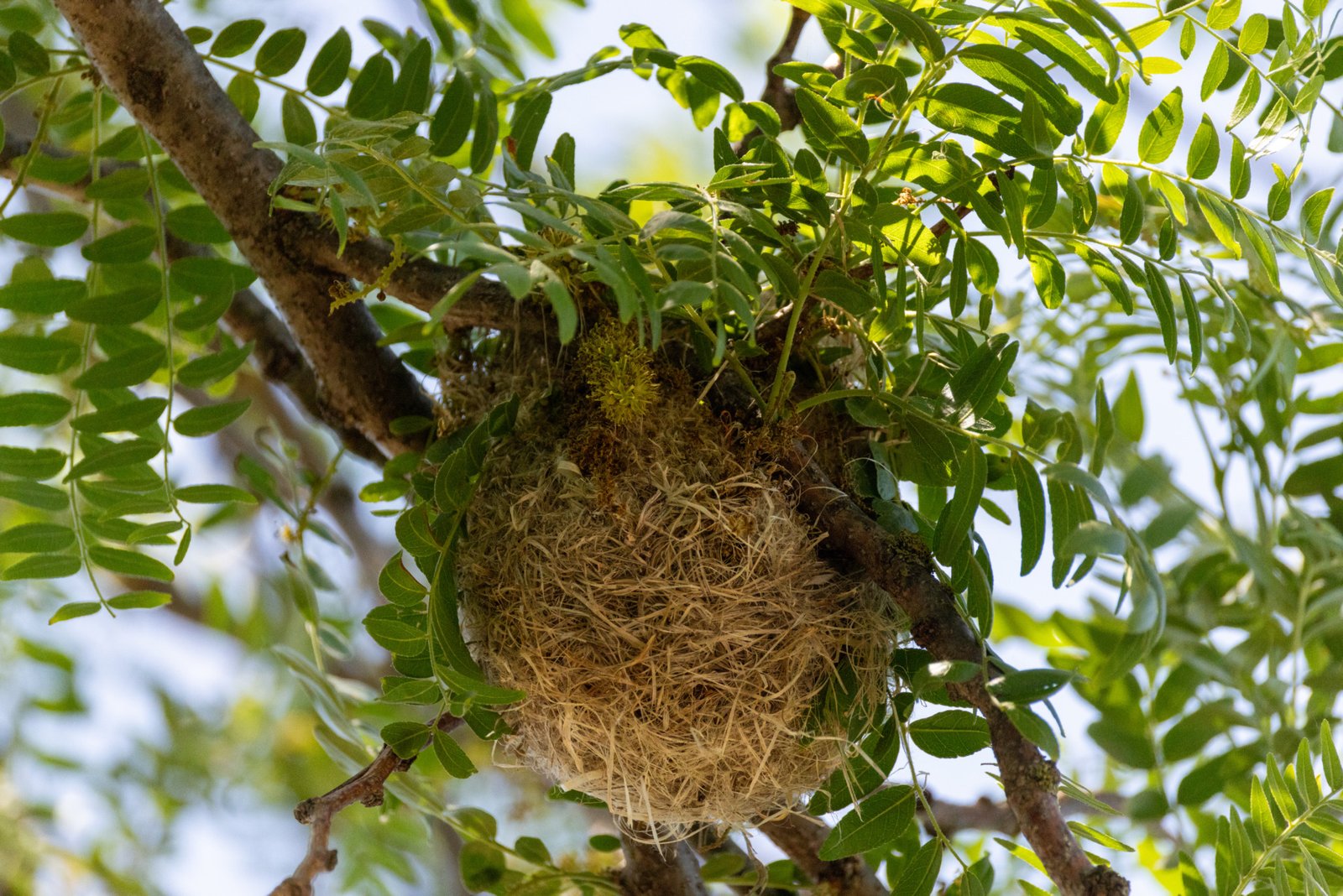
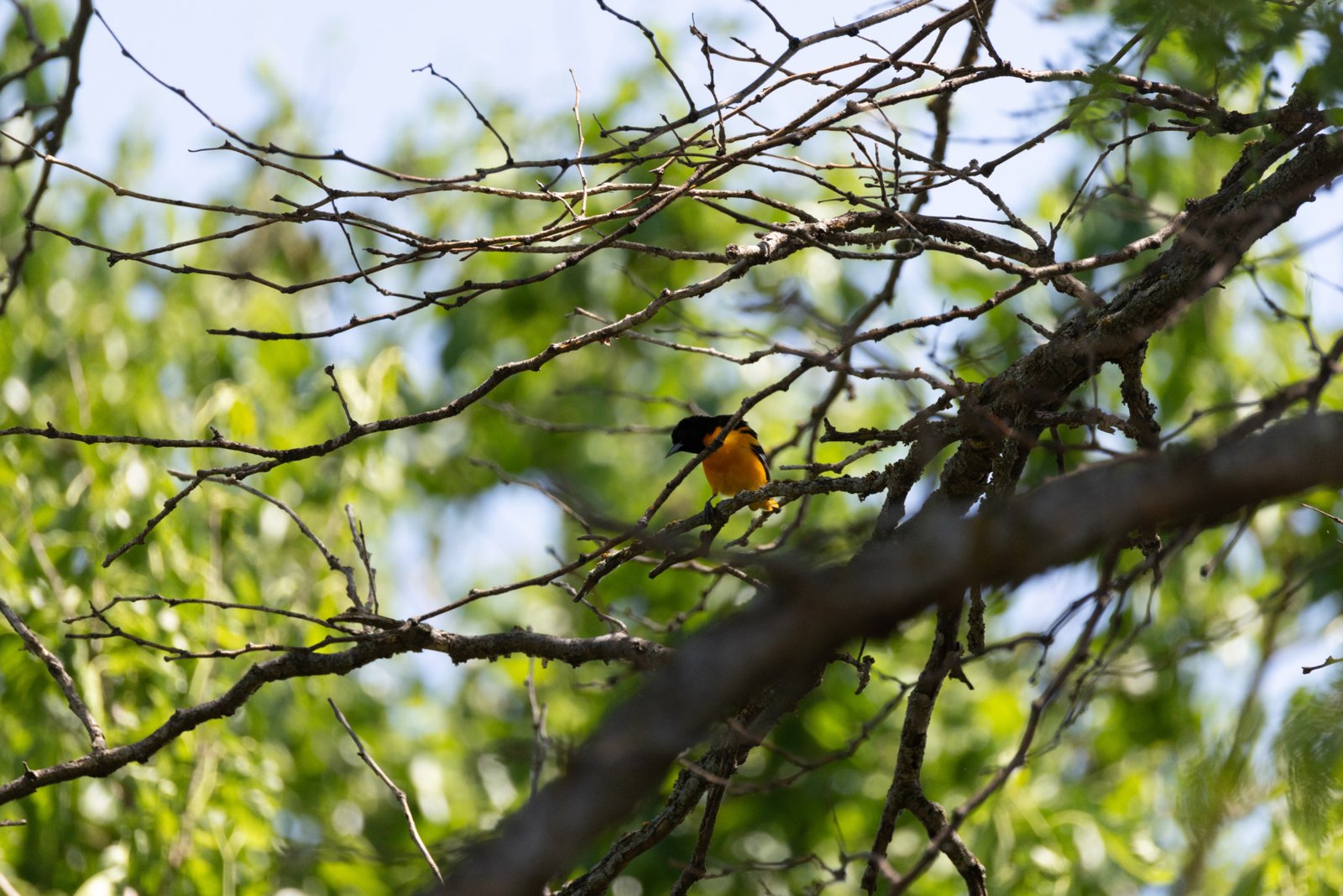
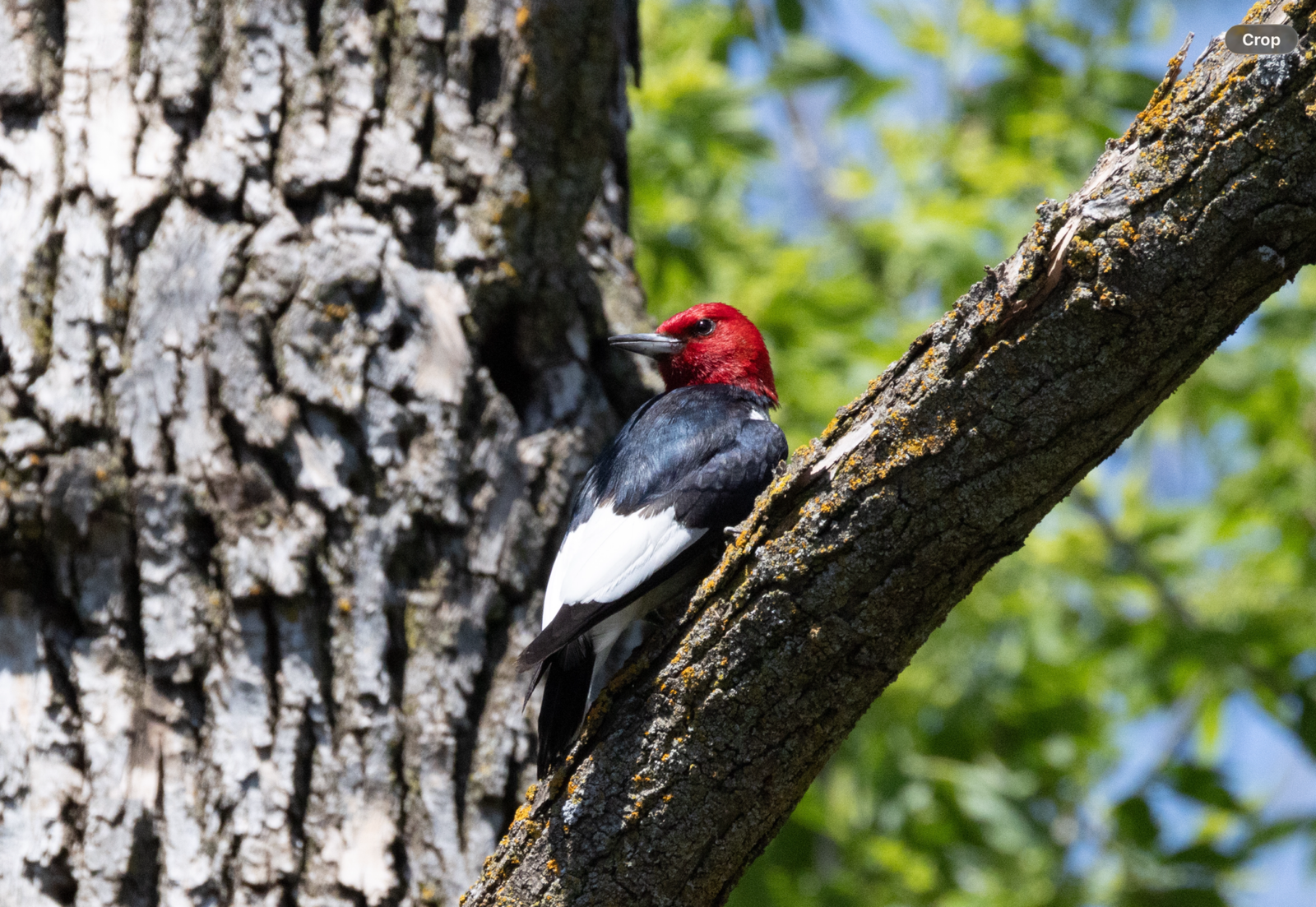
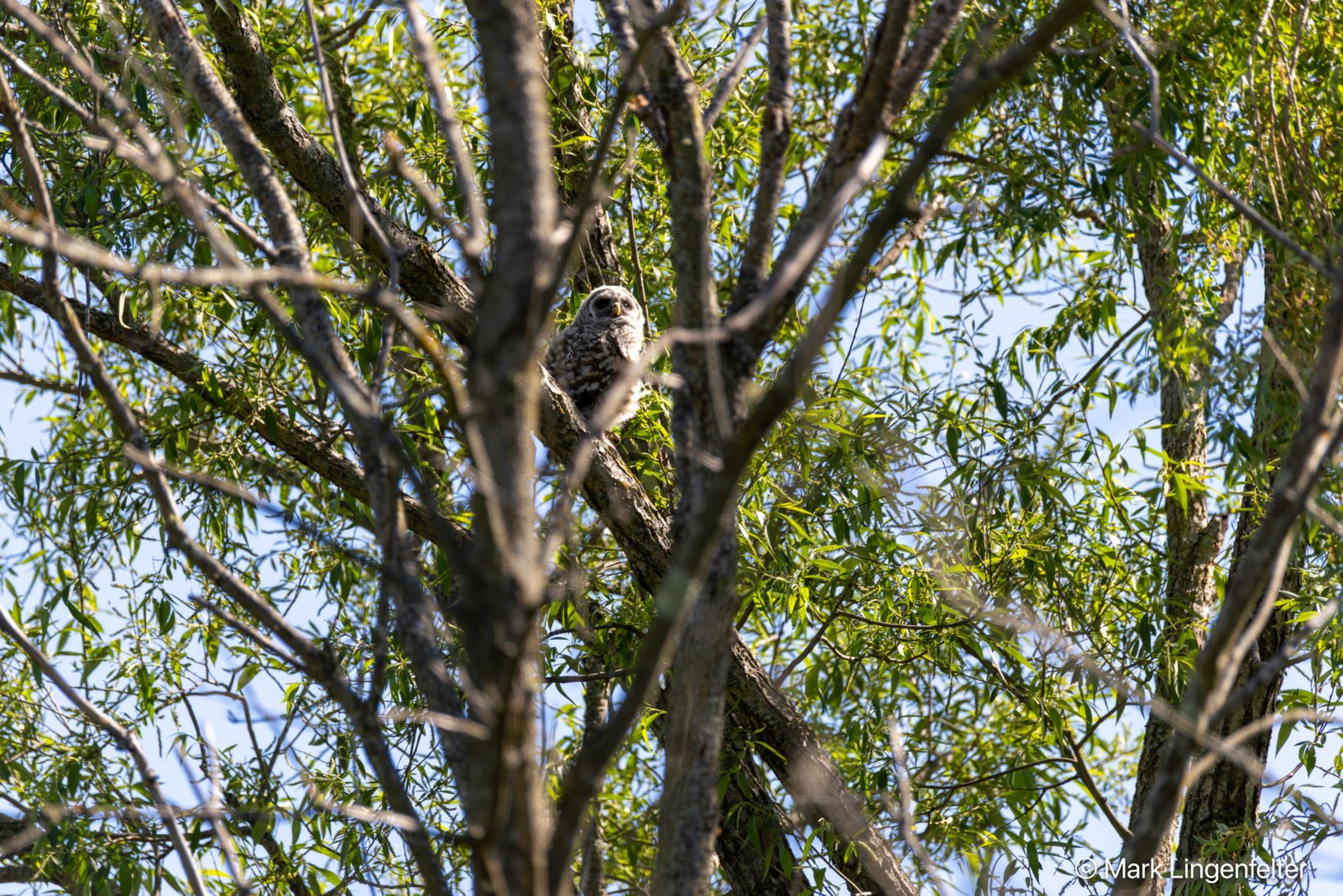
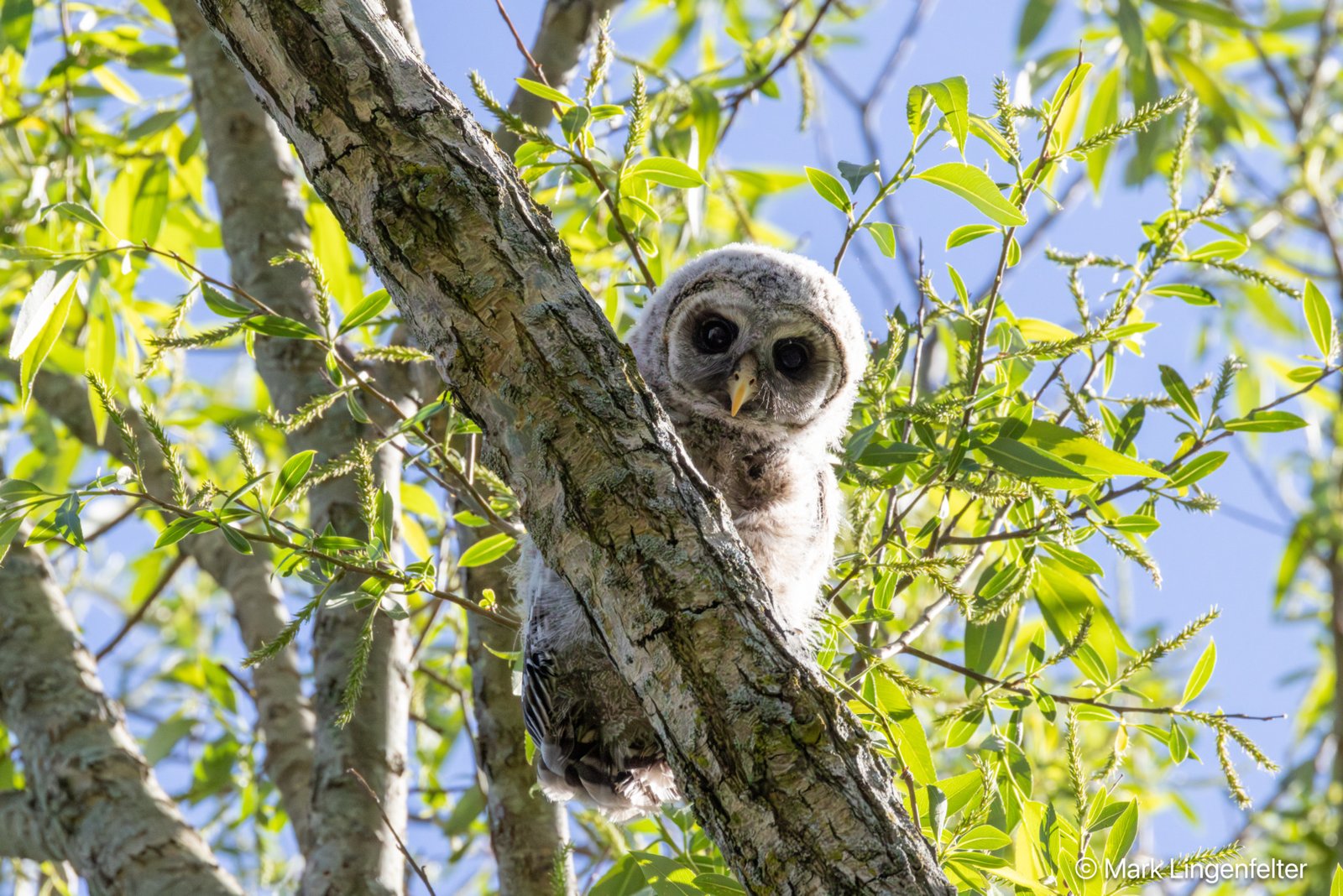
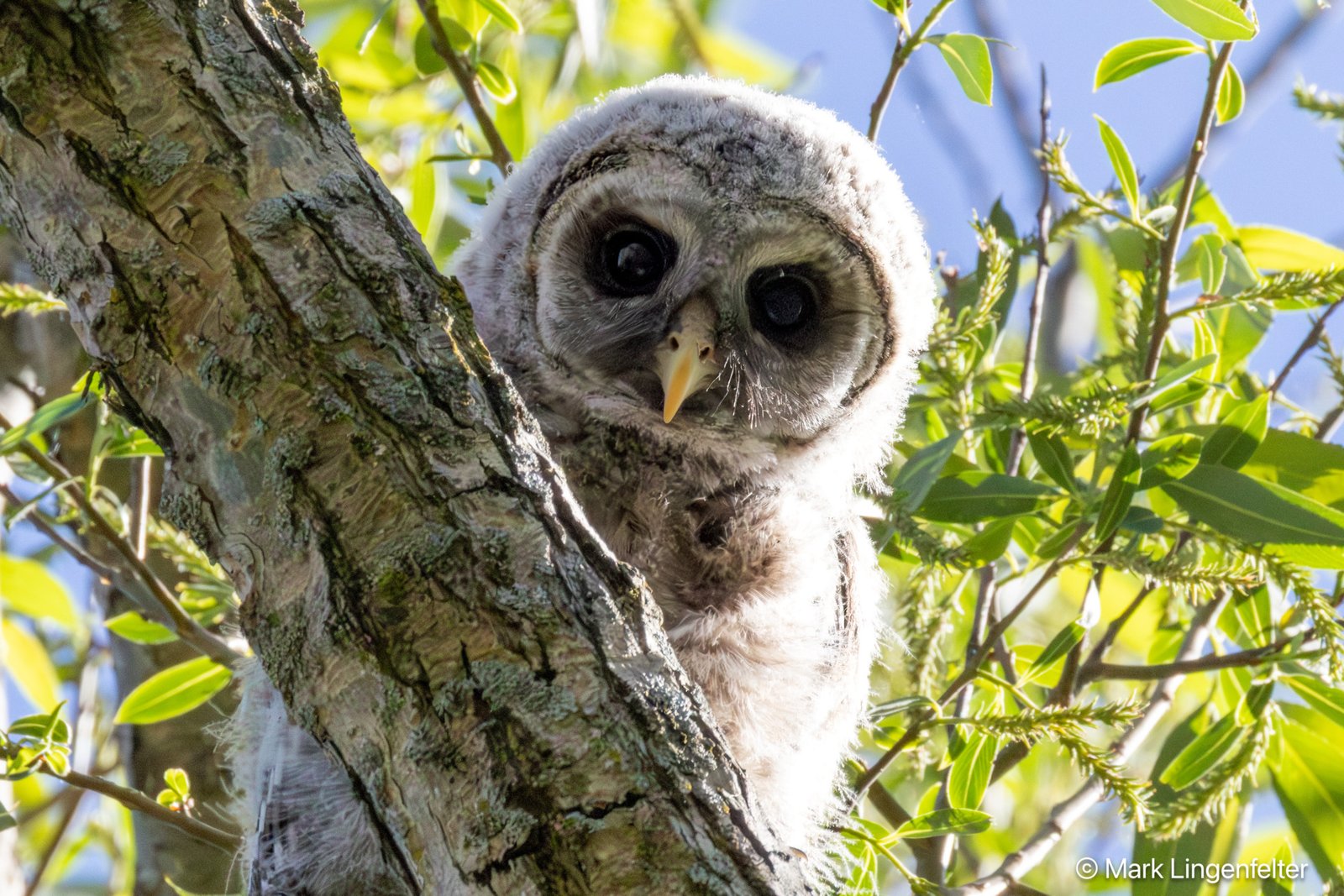
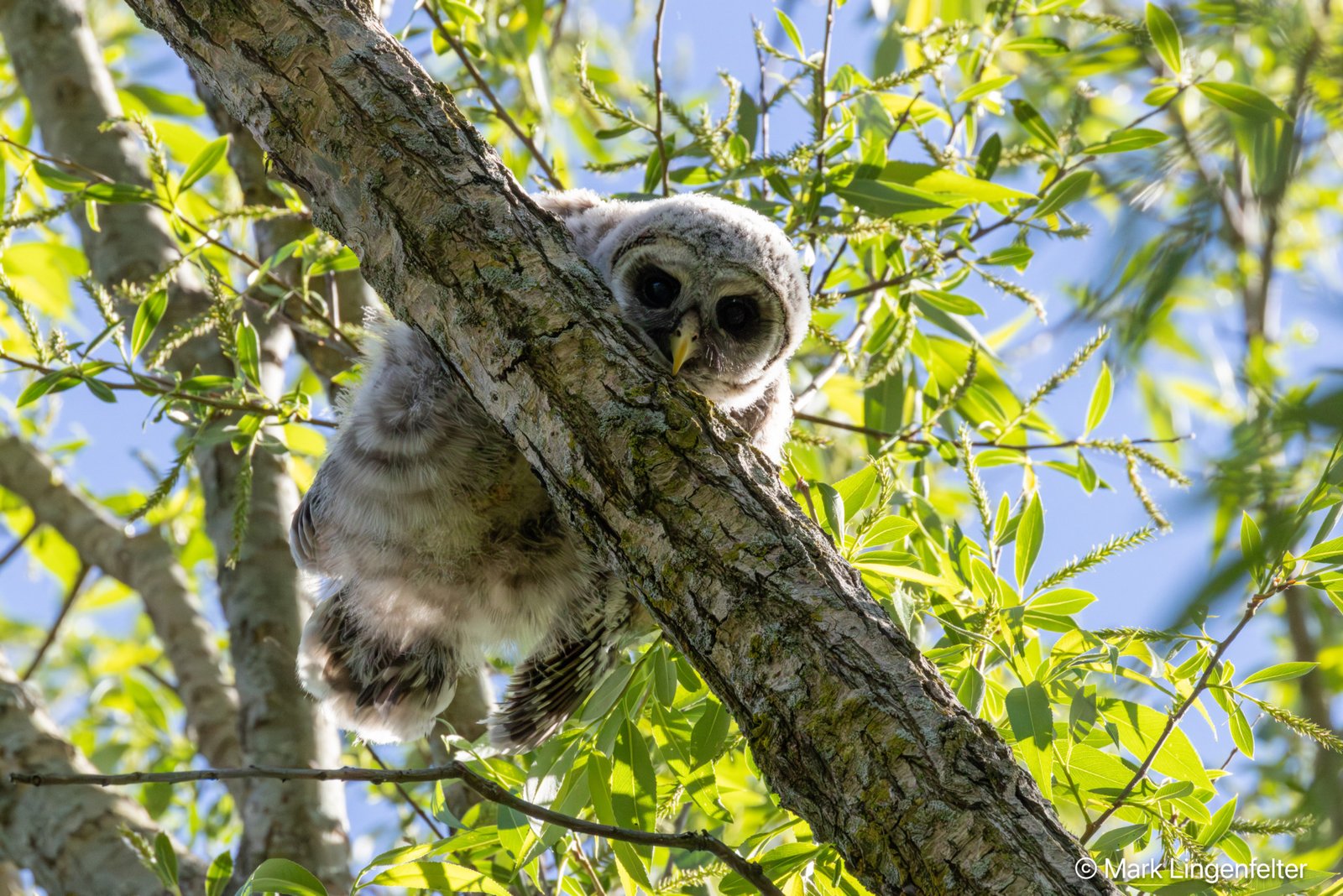
The barred owl, also known as the northern barred owl, striped owl or, more informally, hoot owl or eight-hooter owl, is a North American large species of owl. This guy was spotted at the Maywood Park in Sheboygan. Up in a tree approximately 50 to 60 feet off the ground. Photo was taken with an 800 mm lens using a Canon R52.