
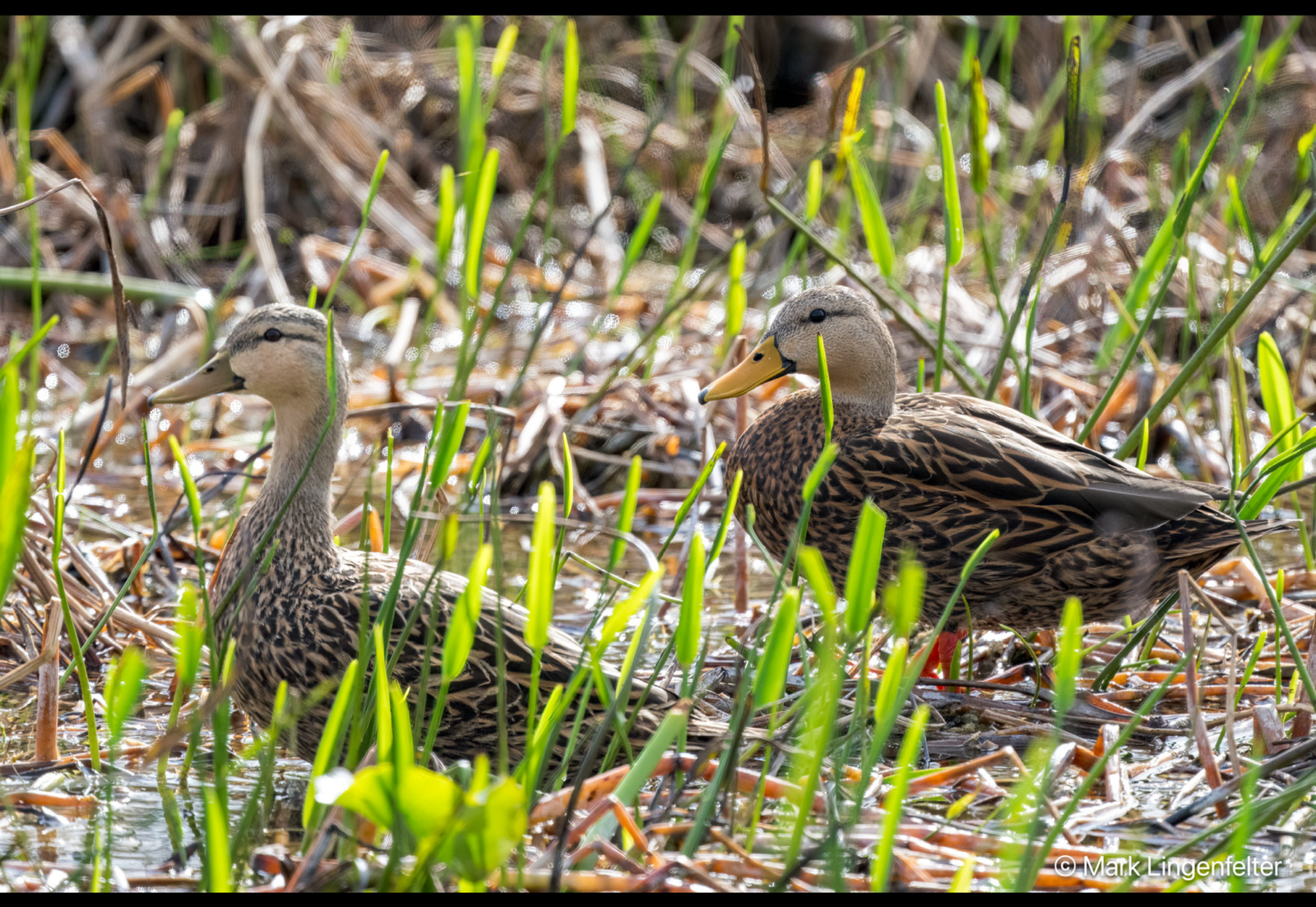
All of the following were seen on a single 90 minute visit and walk on the boardwalk. Incredible amount of wildlife.


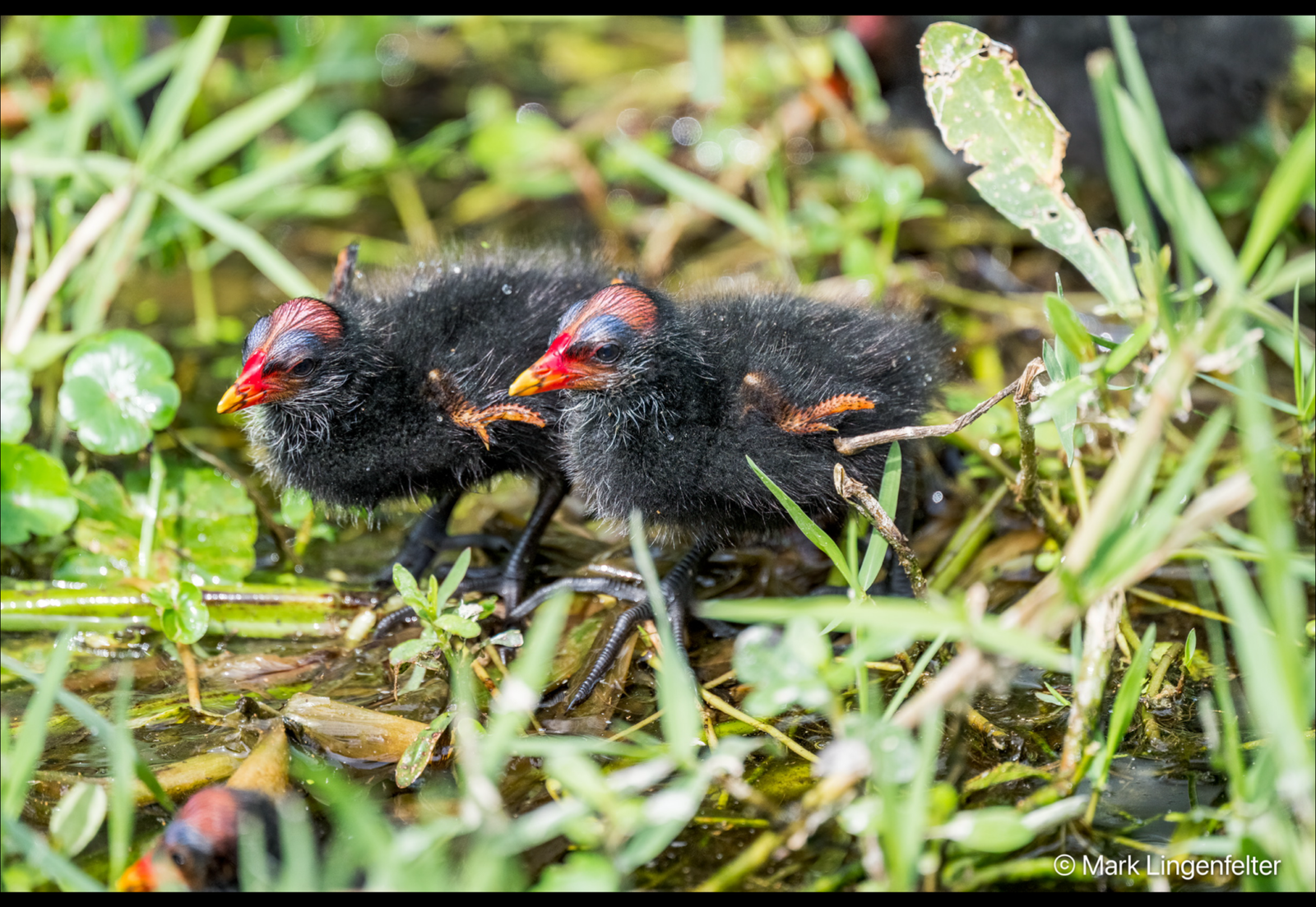


All of the following were seen on a single 90 minute visit and walk on the boardwalk. Incredible amount of wildlife.
Green-Winged Teal: Breeds from the arctic regions of northern Alaska and Canada south to northern California, Colorado, Nebraska, and New York. Spends winters in southern states, along the Pacific and Atlantic coasts, and throughout Mexico. Preferred habitats include marshes, ponds, and marshy lakes.


During breeding season, has vibrant greenish-yellow facial skin, orange bill, and long feather plumes that extend from the back to beyond the tail.
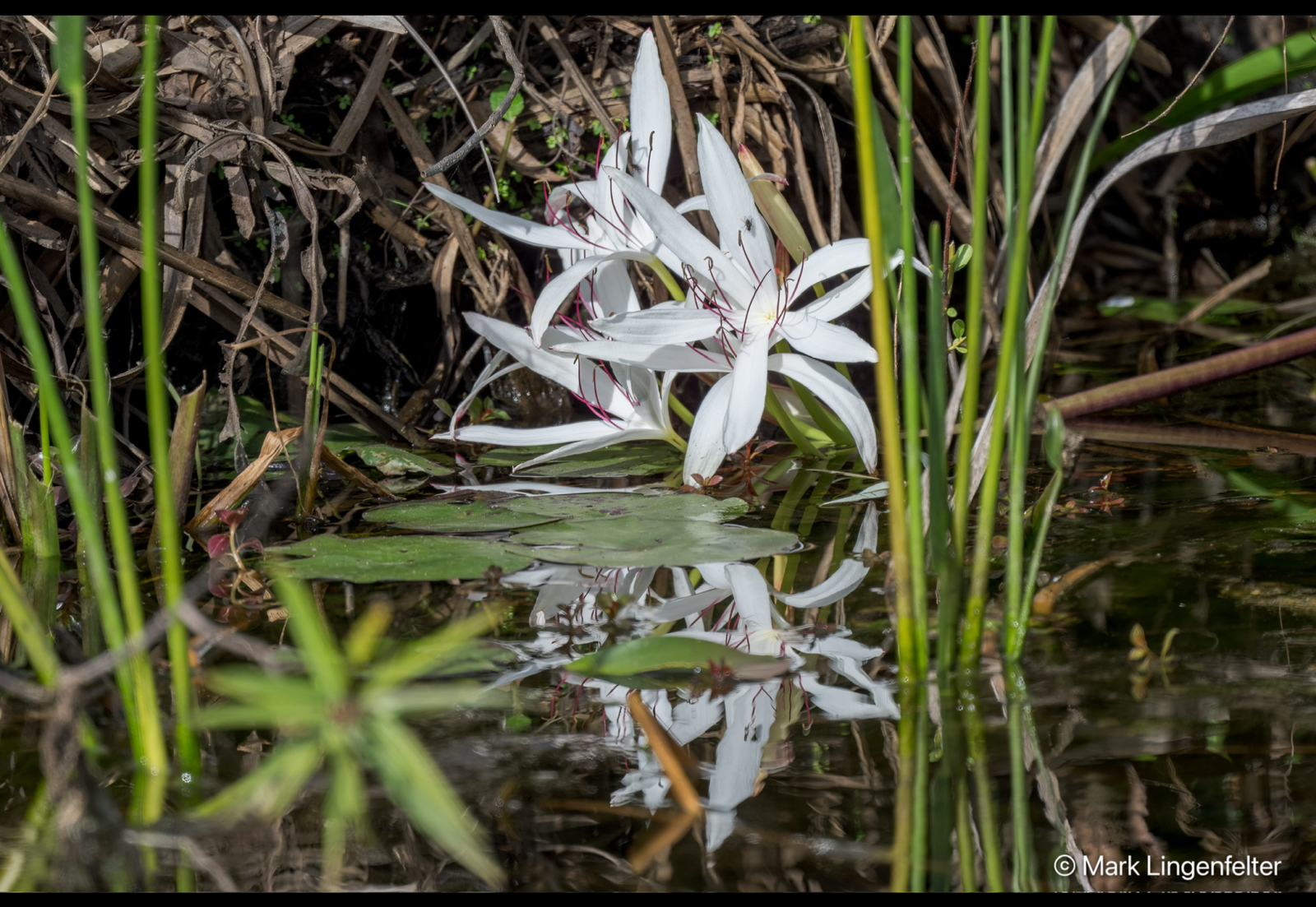
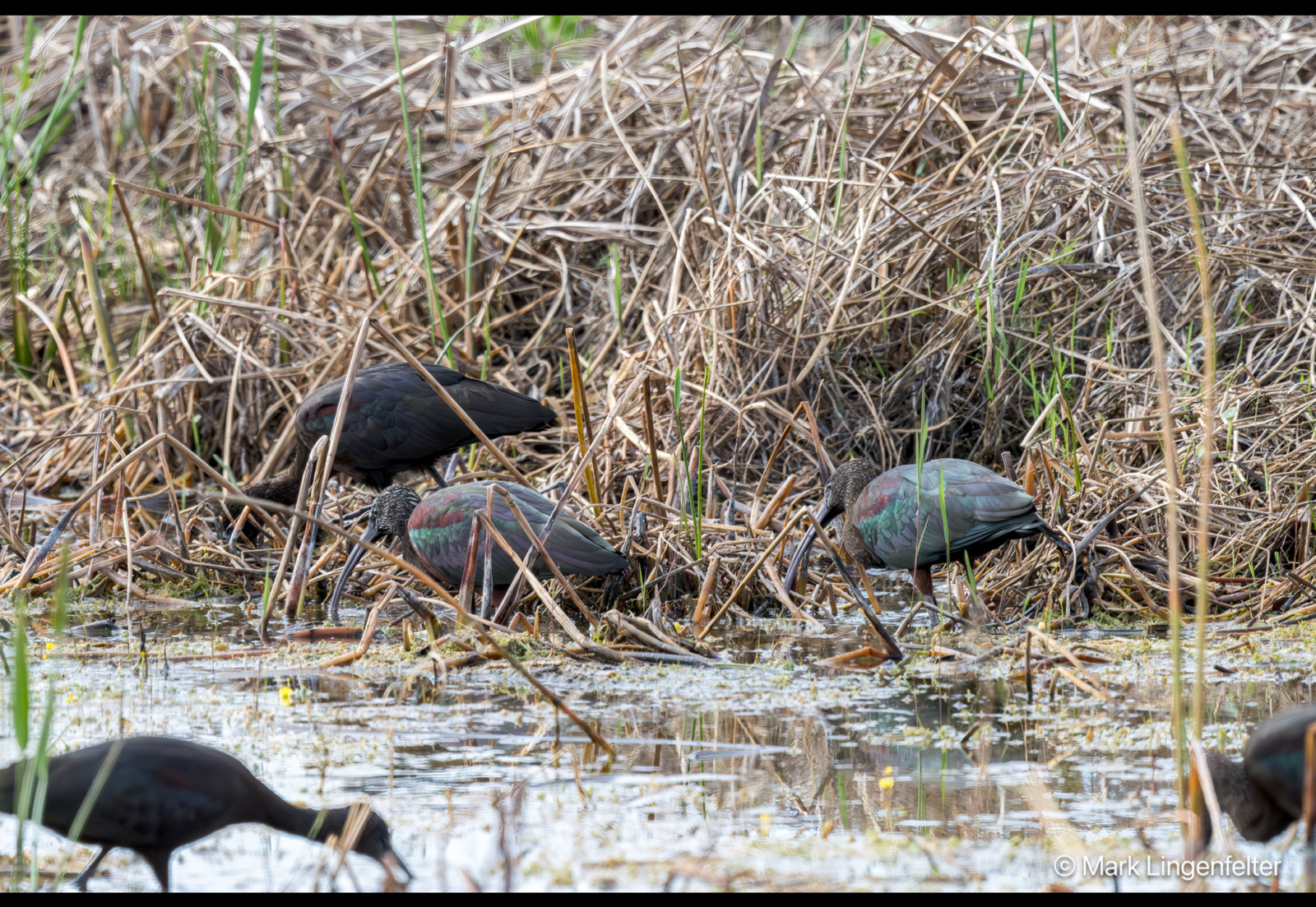
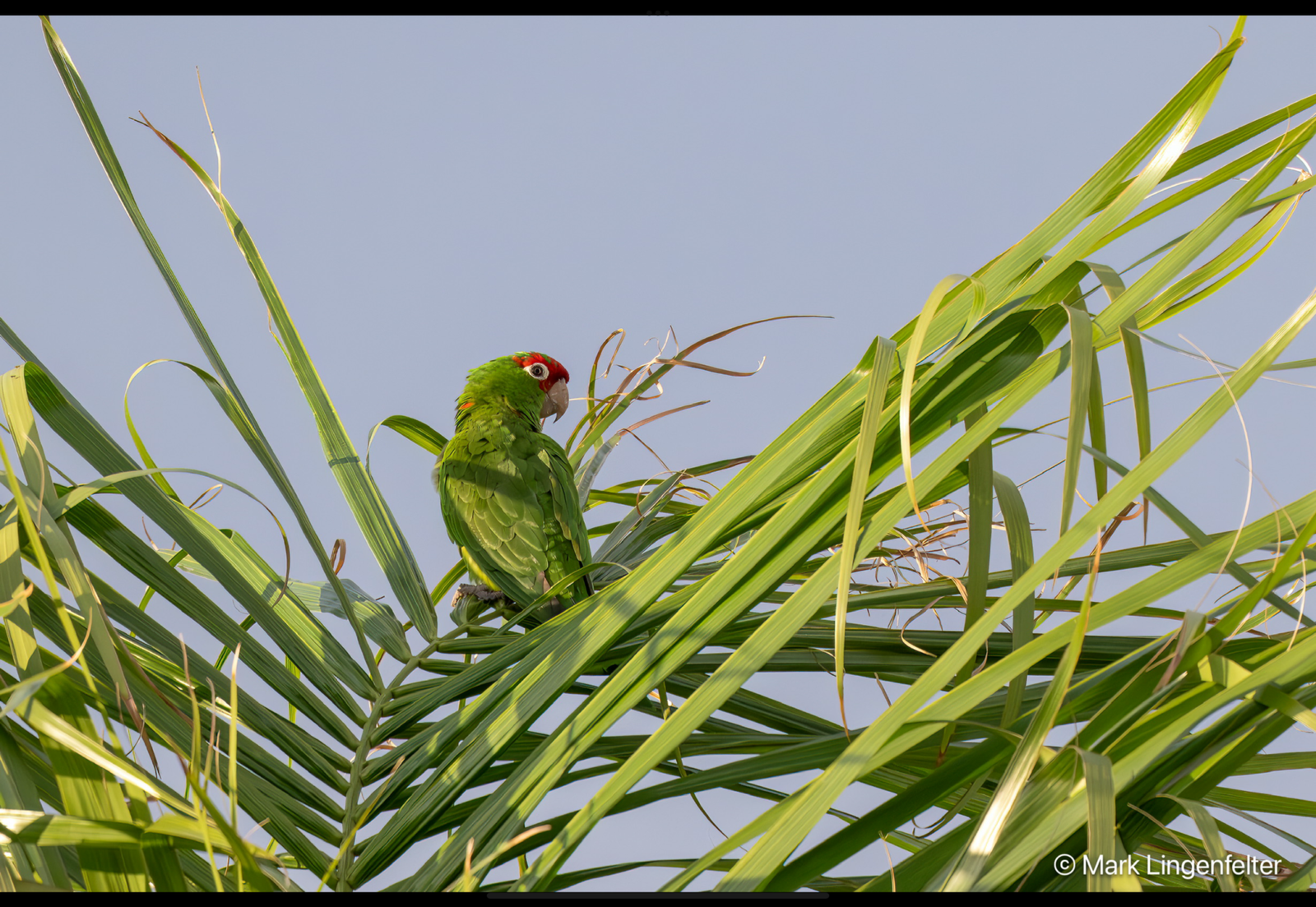
A sampling of wild creatures seen on a visit on a day in January in Florida.



In the 1890s, Jerome, Arizona, thrived as a booming copper mining town with a reputation for its wild and often lawless environment.


Our Clerodendrum/Starburst tree is just about to blossom. Loved by the Blue-gray Gnatcatcher that eats aphids, hemipterans, beetles, moths, butterflies, flies, ants, bees, wasps, and spiders; forages by moving up and down outer branches of trees or shrubs. Blue-gray Gnatcatcher: flycatcher-like perching bird with blue-gray upperparts, white underparts, and prominent white eye-ring. Wings are dark. Black tail is long and white-edged. Female tends toward grayer tones.
Range and Habitat
Blue-gray Gnatcatcher: Breeds from southern Oregon, Wyoming, Minnesota, the Great Lakes region, southern Ontario, and New Hampshire southward. Spends winters from southern California to the Gulf coast and the Carolinas. Preferred habitats include deciduous woodlands, streamside thickets, live oaks, pinyon-juniper, and chaparral. (iBird Pro)


Be the first one to comment!